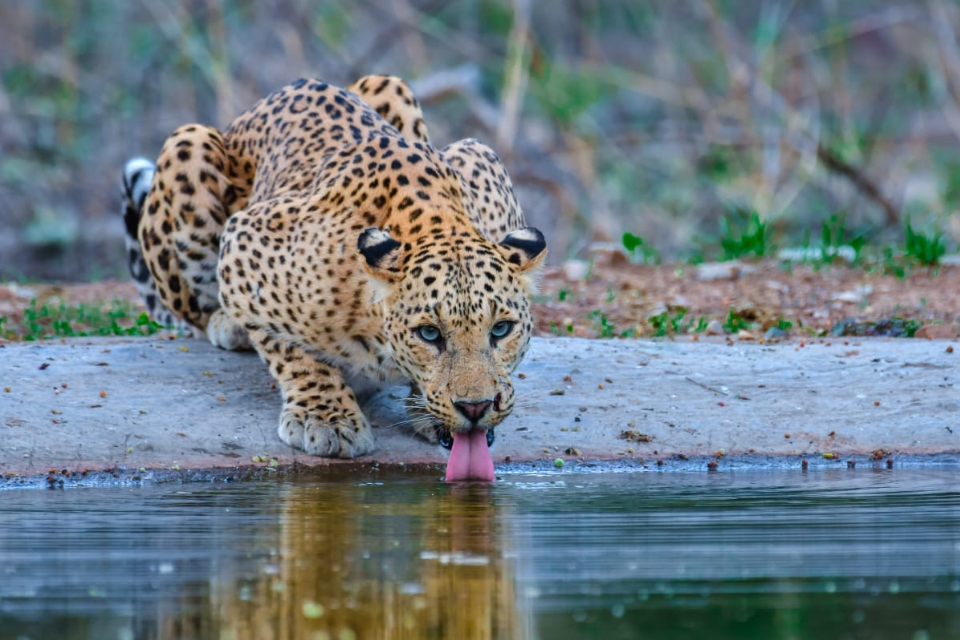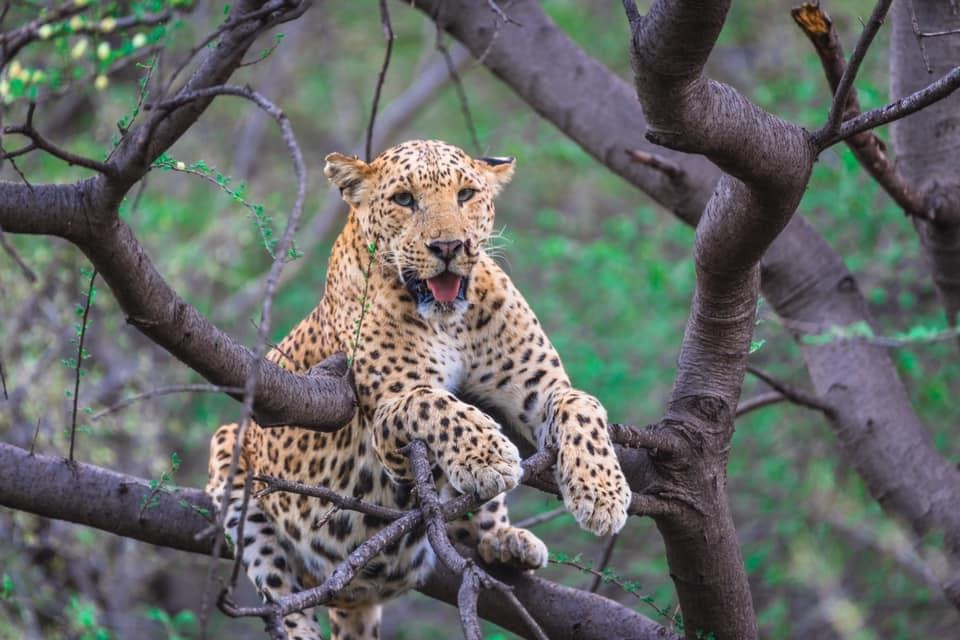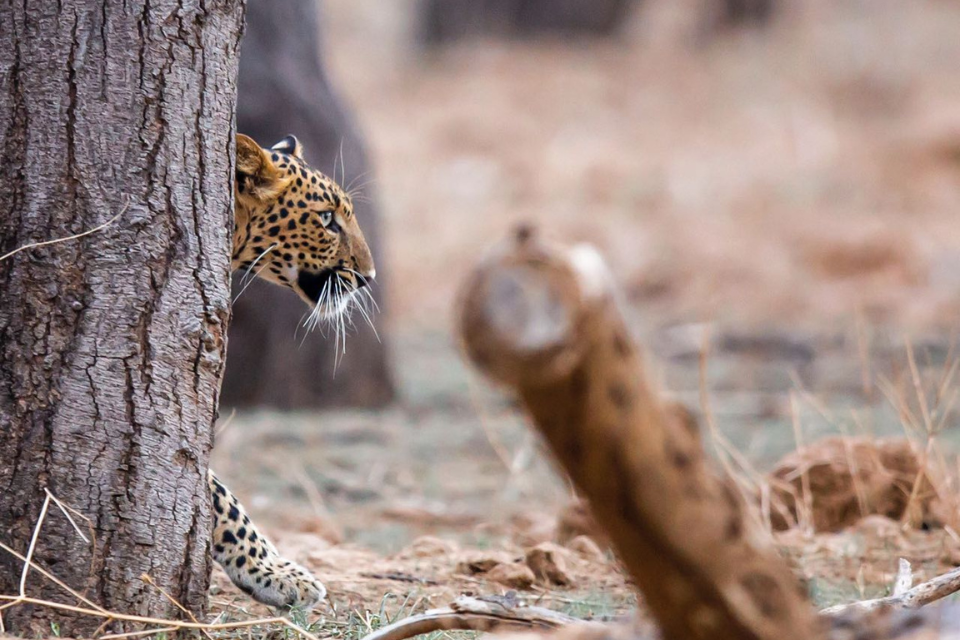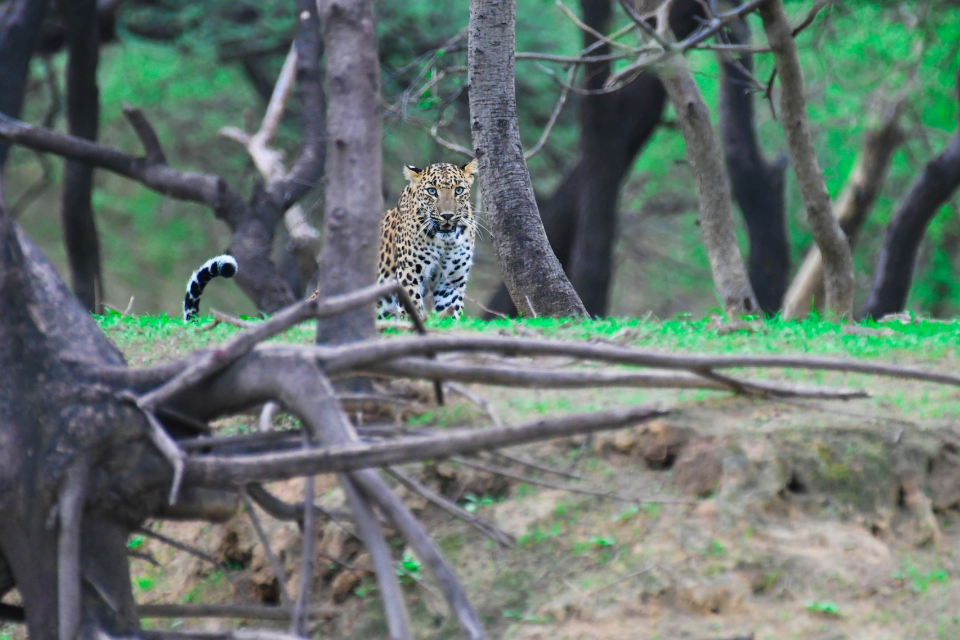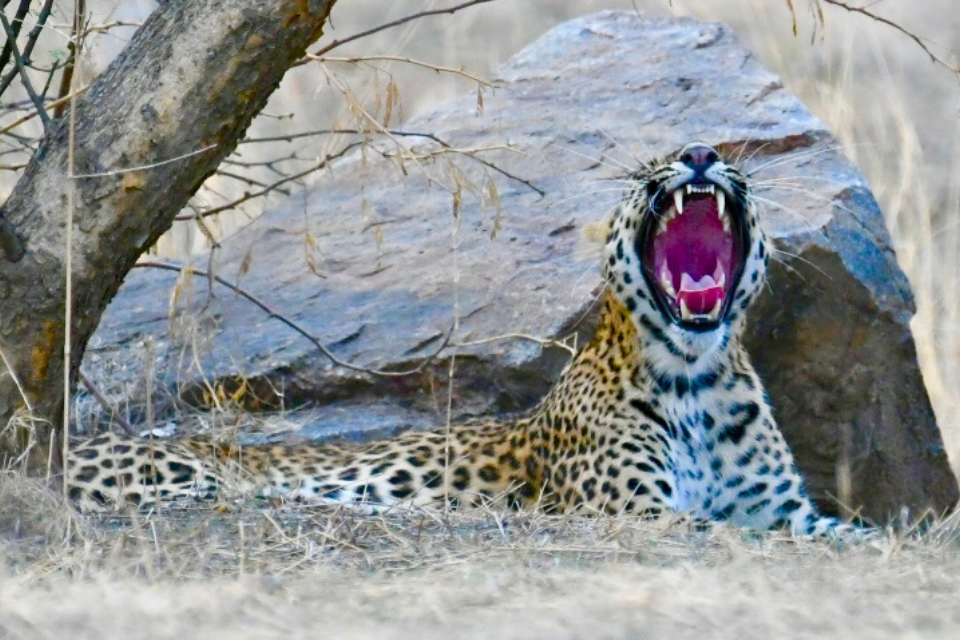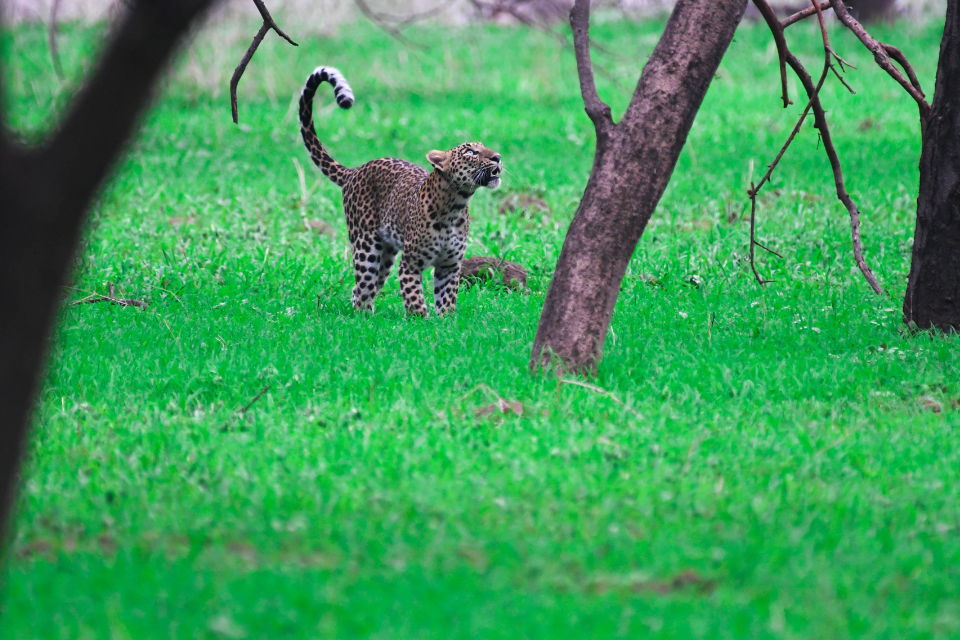
Imagine the thrill in a child’s eyes when they spot a flick of a gold-and-black tail amidst the dry deciduous cacti of Rajasthan. While many families flock to the state for its forts and palaces, a new kind of adventure is taking hold in the heart of the city: the urban wilderness. Jhalana Leopard Reserve, located right within the city limits of Jaipur, has become a premier destination for educational wildlife tours in India.
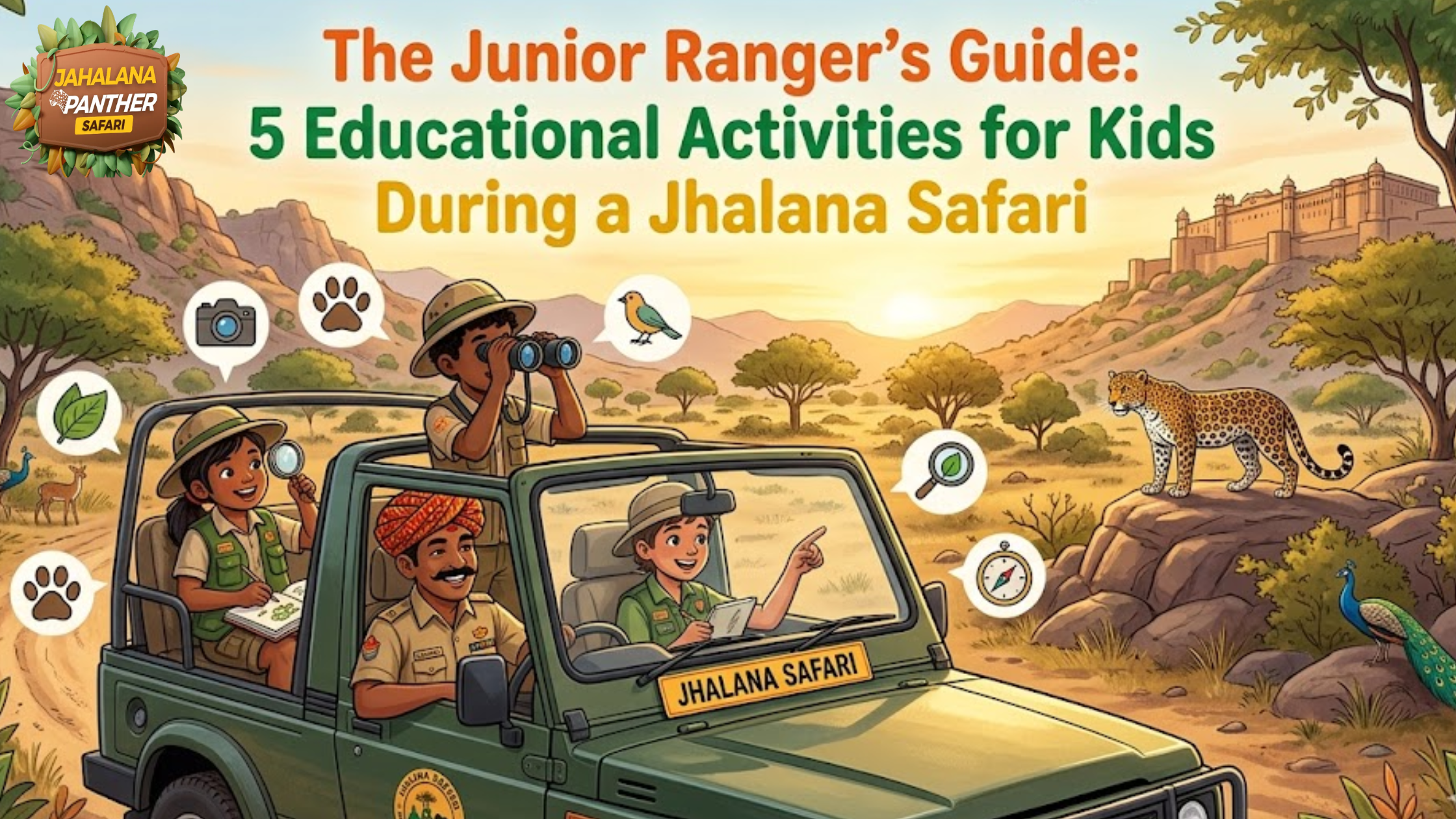
Taking children into the wild isn’t just about the “big catch” or the “perfect photo.” It is about fostering a lifelong connection with nature. For a young mind, a safari is a living classroom where biology, geography, and ethics collide. To help your little ones transition from tourists to “Junior Rangers,” we have curated five high-impact kids safari activities designed to turn your next Jhalana expedition into an unforgettable learning journey.
Why Jhalana is Perfect for a Family Safari in Jaipur
Unlike the sprawling terrains of Ranthambore or Sariska, Jhalana is compact and offers an incredibly high density of leopards. For parents, this is a massive win. Shorter travel times and frequent sightings mean that kids stay engaged rather than getting restless during long, quiet drives. Jhalana for kids offers a bite-sized yet intense introduction to the Indian jungle, making it the ideal spot for a family safari Jaipur.
The “Track & Trace” Masterclass: Identifying Pugmarks
One of the most engaging kids’ safari activities is teaching children that wildlife watching begins on the ground, not in the trees. Before you even see a leopard, you see its signature.
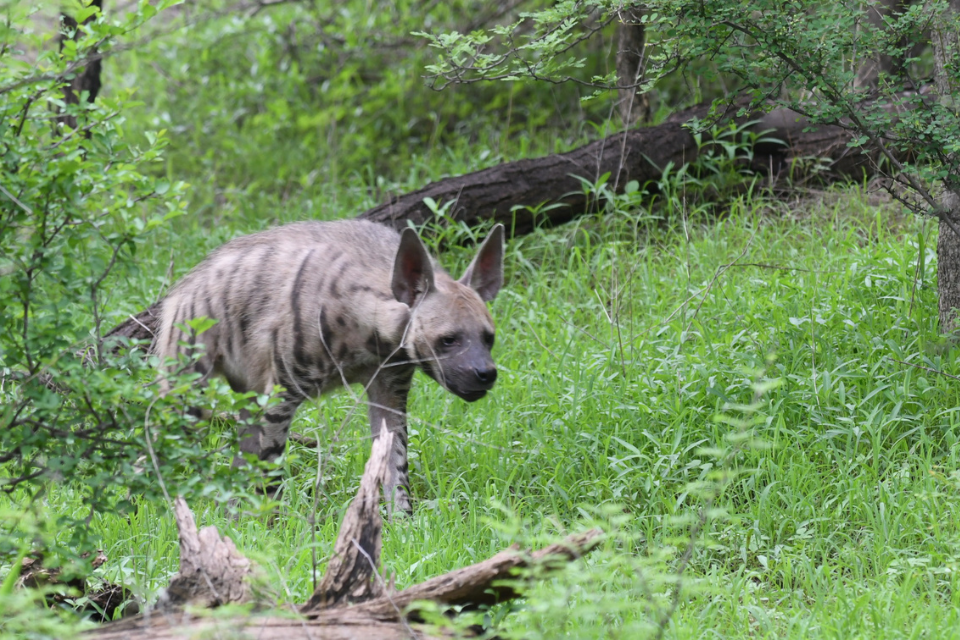
- The Lesson: Explain the difference between a canine (dog/hyena) pugmark and a feline (leopard) pugmark. Show them how leopards retract their claws, leaving behind a clean, four-toed print with a large pad, whereas hyenas leave visible claw marks.
- The Activity: Give your child a “Ranger Log” (a simple notebook). Ask them to draw the tracks they see in the soft dust. Can they tell if the track is fresh? A sharp edge on the print means the leopard passed by recently!
- Why it Works: It sharpens their observational skills and teaches them that the forest is a book waiting to be read.
Jungle Morse Code: Understanding Alarm Calls
The jungle is never truly silent; it is filled with a complex communication system. During your educational wildlife tours in India, the most exciting moments often happen before a sighting.
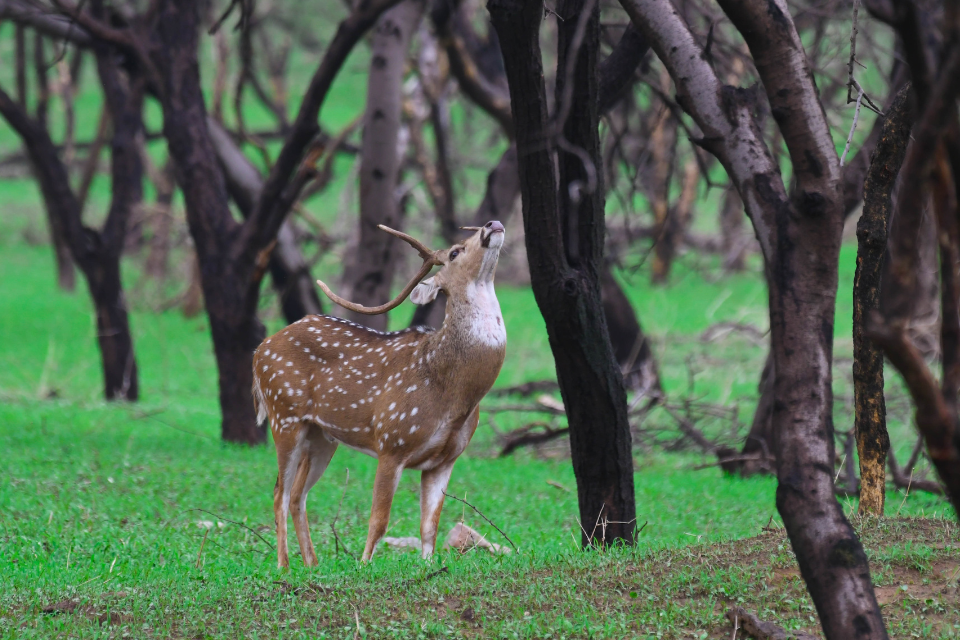
- The Lesson: Teach your kids about the “Jungle Alarm.” When a predator is on the move, the prey species—like the Hanuman Langur or the Spotted Deer (Chital)—emit specific barks or coughs to warn the rest of the herd.
- The Activity: Play a “listening game.” Ask the children to close their eyes for 60 seconds and identify every sound. If they hear a sharp, repetitive “khok-khok” from a monkey, explain that a leopard might be nearby.
- Junior Ranger Tip: Ask the child to point in the direction of the sound. This helps them understand spatial awareness and animal behavior.
The Biodiversity Scavenger Hunt (Beyond the Leopard)
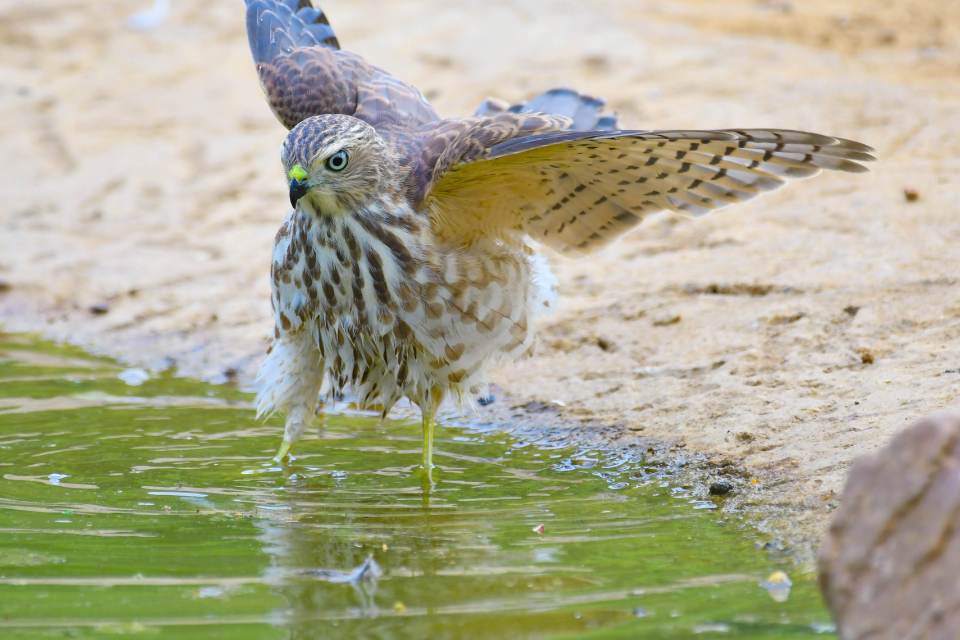
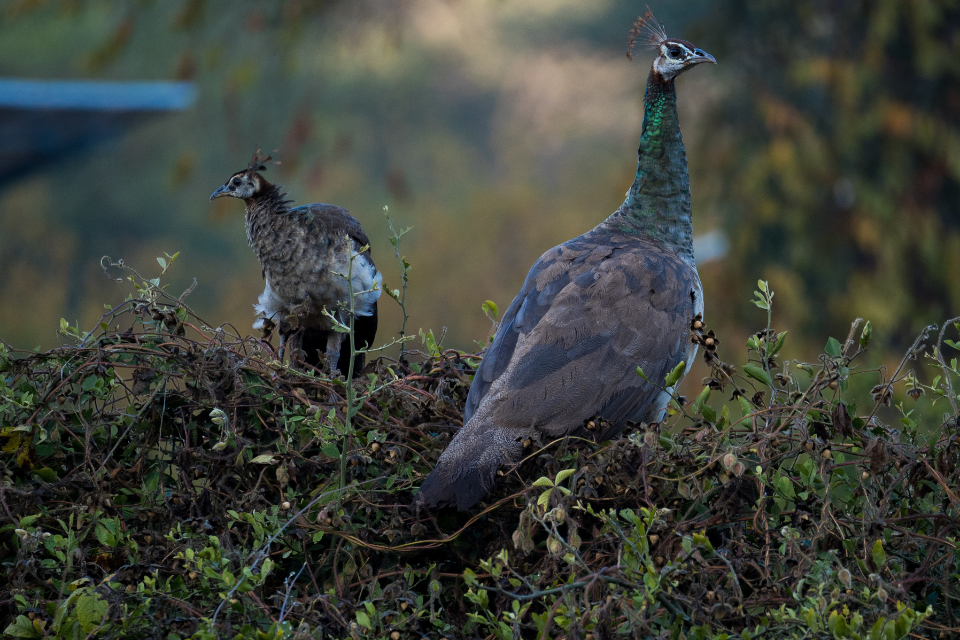
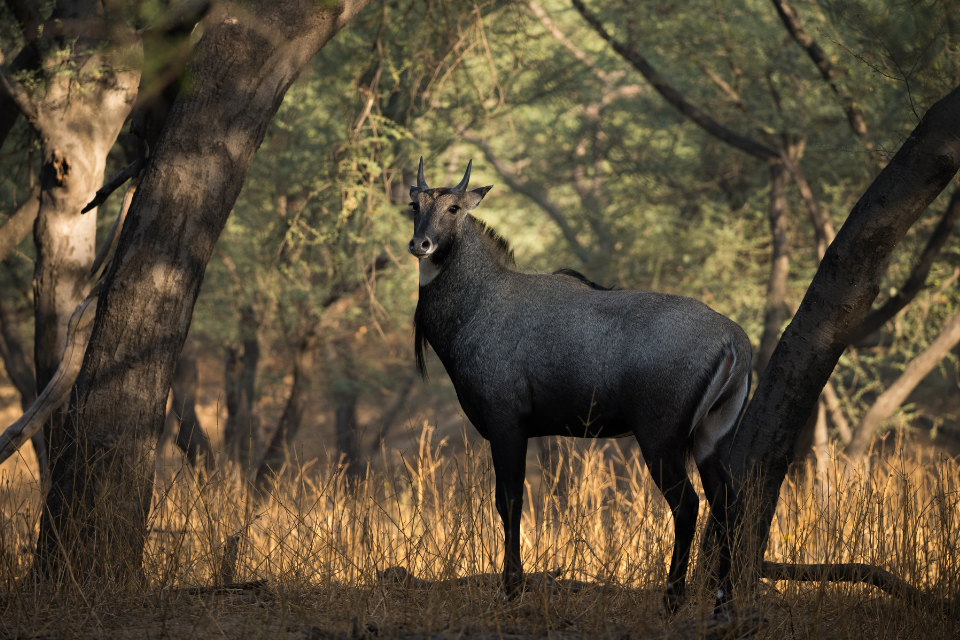
While the leopard is the star of Jhalana, the reserve is home to over 150 species of birds, desert foxes, blue bulls (Nilgai), and golden jackals. To keep the energy high, turn the drive into a scavenger hunt.
- The List: Create a checklist for Jhalana for kids that includes:
- A peacock dancing or perched on a tree.
- The bright blue feathers of an Indian Roller.
- A “Ghost Tree” (Kullu tree) with its shimmering white bark.
- A termite mound (The jungle’s skyscraper).
- The Reward: Let the child “check off” each item. This ensures they value the entire ecosystem, not just the apex predators.
Habitat Heroes: Learning About Urban Conservation
Jhalana is a unique success story. It is a forest surrounded by a bustling metropolis. This offers a rare opportunity for educational wildlife tours India to discuss how humans and animals can coexist.
- The Lesson: Discuss the concept of a “wildlife corridor.” Explain how the leopards of Jhalana stay within the hills and how the city of Jaipur protects this green lung.
- The Activity: Ask your child to look for the city skyline from a high vantage point in the reserve (like the Shikaroudi). Discuss why it’s important to keep the forest clean and quiet so the animals feel safe so close to humans.
Wildlife Photography 101: Capturing the Moment
Even with a basic smartphone or a pair of binoculars, kids can learn the art of patience. Photography is one of the best kids’ safari activities to encourage focus.
- The Lesson: Teach them about “The Rule of Thirds” or simply how to keep the camera steady. More importantly, teach them “Ethical Photography”—never shouting to get an animal’s attention and staying inside the vehicle at all times.
- The Activity: Ask them to take one “portrait” of an animal and one “landscape” of the forest. Back at the hotel, they can present their “Top 3 Photos” to the family, explaining why they chose those shots.
Comparison of Sightings for Kids at Jhalana
| Animal | Ease of Sighting | Fun Fact for Kids |
| Leopard | Moderate to High | They are excellent climbers and can even hunt in the dark! |
| Blue Bull (Nilgai) | Very High | It is the largest antelope in Asia and looks like a mix of a horse and a cow. |
| Peacock | Guaranteed | The national bird of India—look for them on top of the thorny bushes. |
| Spotted Owlet | Moderate | They are small but have very fierce yellow eyes! |
Practical Tips for Parents Heading to Jhalana
- Pack Binoculars: Give each child their own pair. It makes them feel like a professional explorer.
- Timing is Everything: Morning safaris are cooler and better for birdwatching, while afternoon safaris offer the best golden-hour lighting for leopard sightings.
- Snacks & Hydration: While you can’t eat inside the reserve for safety reasons, ensure they have a heavy breakfast or snack before entering the gate.
- The “Silent Game”: Tell the kids that the quieter they are, the closer the animals will come. It’s the only way to get a leopard to cross the road right in front of your jeep!
Frequently Asked Questions
Q 1: Is the Jhalana Panther Safari safe for small children?
Yes, Jhalana is very safe for children. The safaris are conducted in sturdy, open-top 4×4 Gypsies with experienced drivers and naturalists who ensure that a safe distance is maintained from the wildlife at all times.
Q 2: What is the best age for a child to enjoy a family safari Jaipur?
While children of all ages are allowed, kids aged 5 and above usually enjoy it the most. At this age, they can participate in kids safari activities like spotting birds with binoculars and identifying leopard pugmarks.
Q 3: How long does a typical Jhalana safari for kids last?
A standard safari lasts about 2.5 to 3 hours. This is the perfect duration for Jhalana for kids because it is short enough to keep them engaged without them getting tired or restless.
Q 4: Are there any educational wildlife tours India specifically for students?
Yes, Jhalana offers great opportunities for educational tours. Many schools organize trips here to teach students about urban conservation, biodiversity, and the unique ecosystem of the Aravalli hills.
Q 5: Can we take snacks or food inside the Jhalana Leopard Reserve?
No, carrying or eating food inside the reserve is strictly prohibited for safety reasons and to keep the forest clean. It is best to have a good meal before the safari starts.
Q 6: What should children wear for a leopard safari in Jaipur?
Kids should wear comfortable, breathable clothing in neutral colors like khaki, olive, or brown. Avoid bright colors like red or neon, as they can be distracting for the animals. Don’t forget a hat and sunscreen for morning shifts!
Q 7: How can I make a safari more interesting for my child?
You can turn the safari into a game by using a “Biodiversity Scavenger Hunt” list. Let them check off animals like peacocks, nilgai, and owls. Providing them with their own pair of binoculars also makes them feel like real explorers.
Conclusion: Planting the Seeds of Conservation
A safari in Jhalana is more than a vacation activity; it’s an investment in your child’s character. By engaging in kids safari activities, they learn empathy for living beings, the importance of environmental protection, and the thrill of discovery. Jhalana for kids provides the perfect backdrop—safe, accessible, and breathtakingly wild—to start their journey as protectors of our planet.