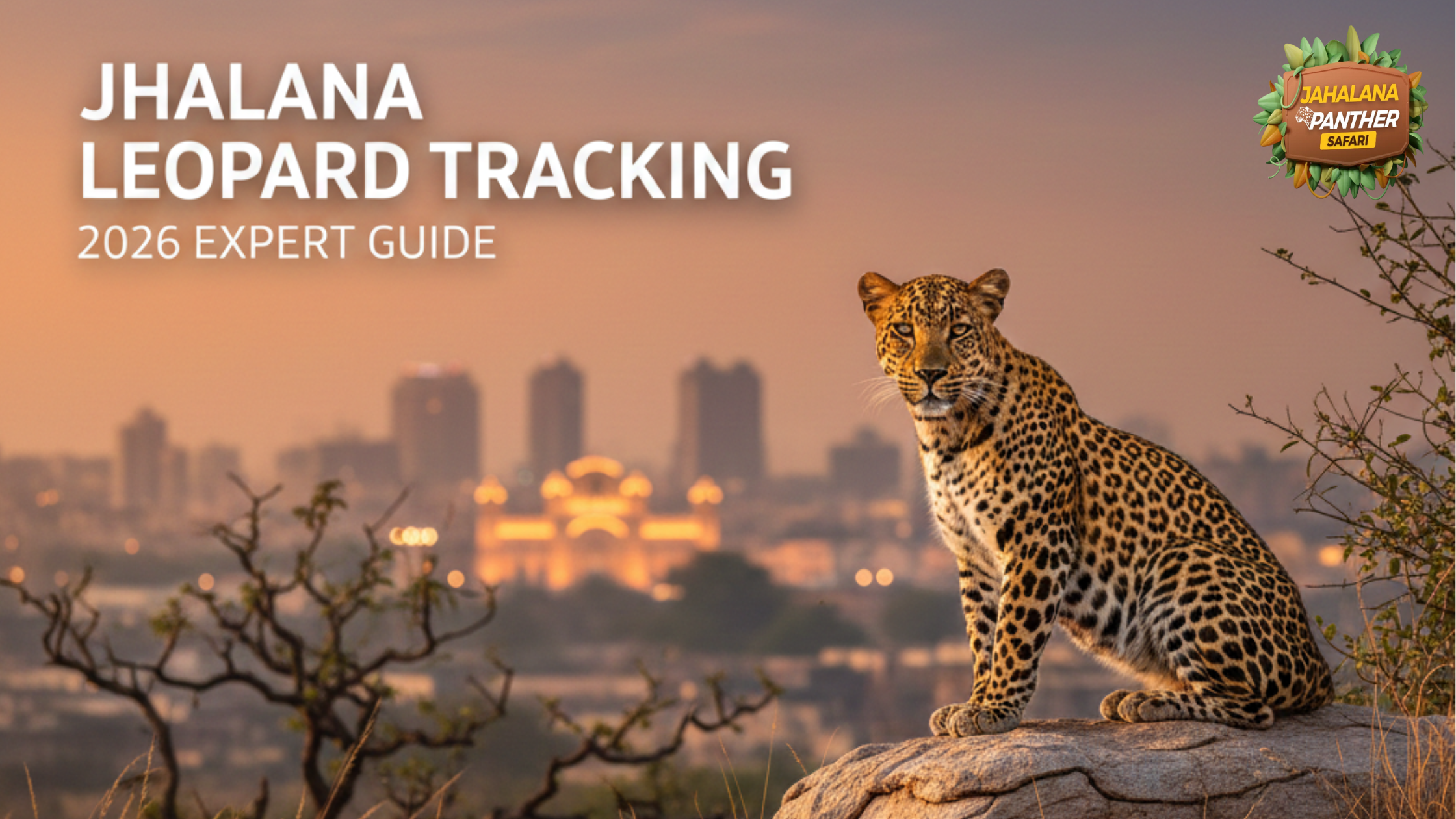
The Art of Jhalana Leopard Tracking: A 2026 Expert Insider Guide
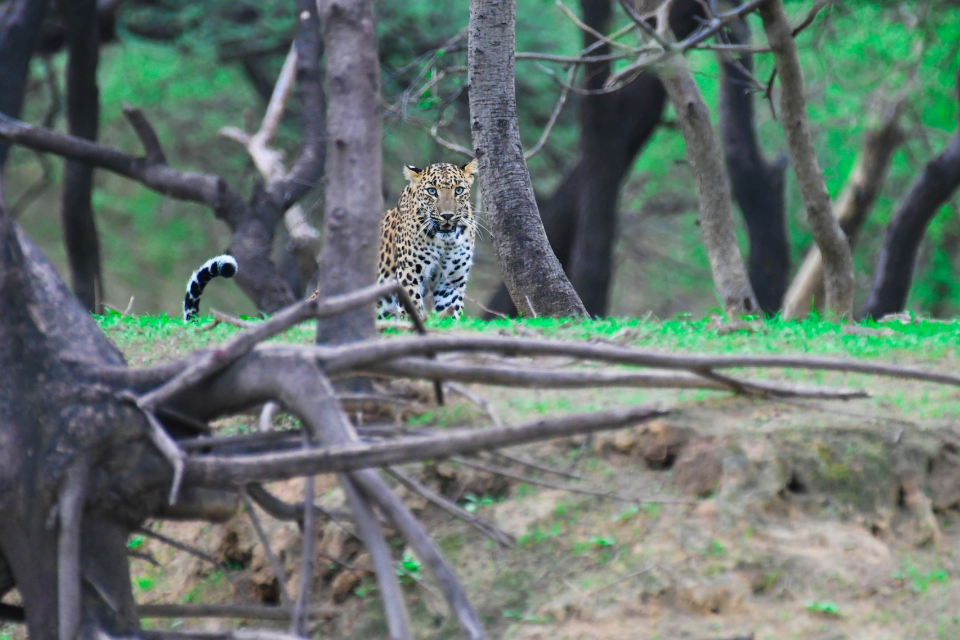
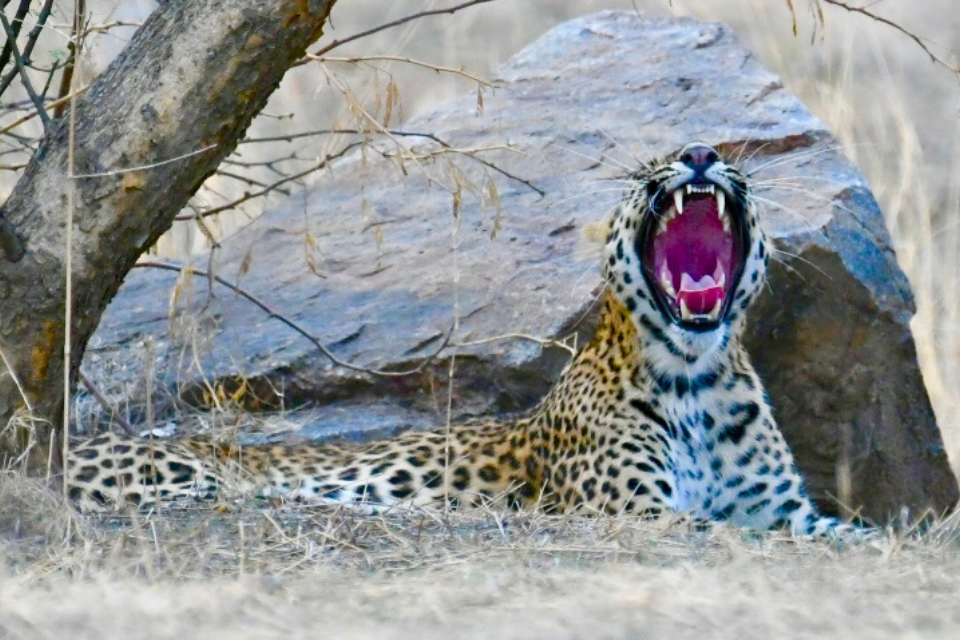
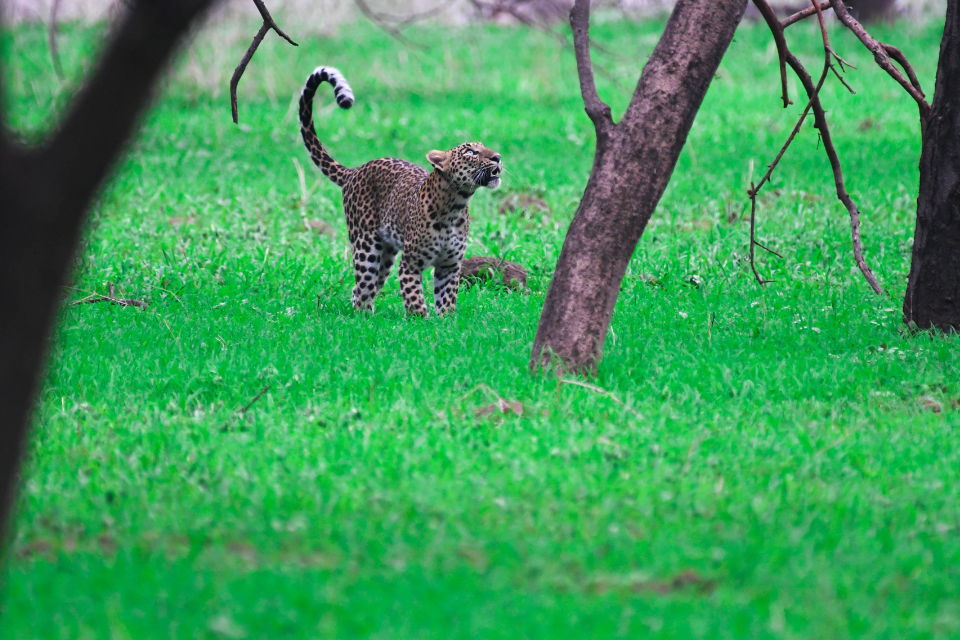
In 2026, the global traveler has evolved. It’s no longer enough to just see a leopard from a Jeep; enthusiasts now want to understand the “how” behind the encounter. Jhalana leopard tracking has become the definitive way to experience Jaipur’s urban wild, turning a standard safari into a masterclass in nature’s secret language.
Spanning 23 square kilometers of the Aravalli hills, Jhalana is India’s most successful urban wildlife experiment. But with over 45 leopards in a compact area, the challenge isn’t just finding them—it’s interpreting the forest to predict their next move. This guide dives into the technical, seasonal, and ethical dimensions of tracking in the Pink City’s most famous “Urban Jungle.”
1. Decoding the “Jungle Telegraph”: Audio-Visual Tracking
The core of successful Jhalana leopard tracking lies in your ears, not your eyes. In 2026, naturalists have perfected “Audio-Triangulation,” a method of pinpointing a predator based on the distress calls of other animals.
The Langur’s Guttural Grunt
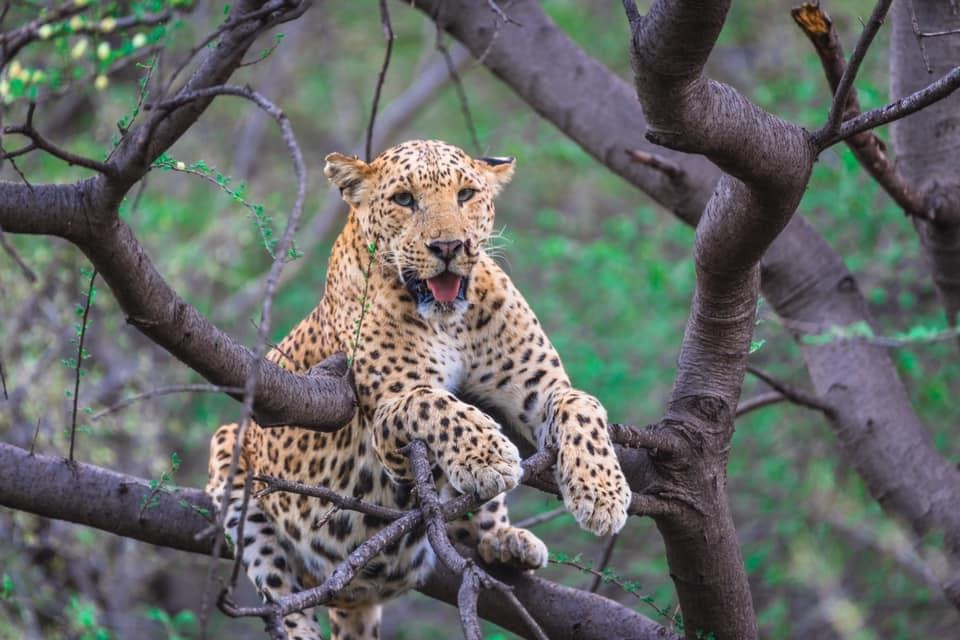
Unlike a standard monkey chatter, a leopard-specific alarm call is a deep, rhythmic “Khok-Khok.” Hanuman Langurs are the forest’s best lookouts because they sit at the highest points of the Dhok trees. If you hear a series of grunts from multiple trees in a line, the leopard is on the move.
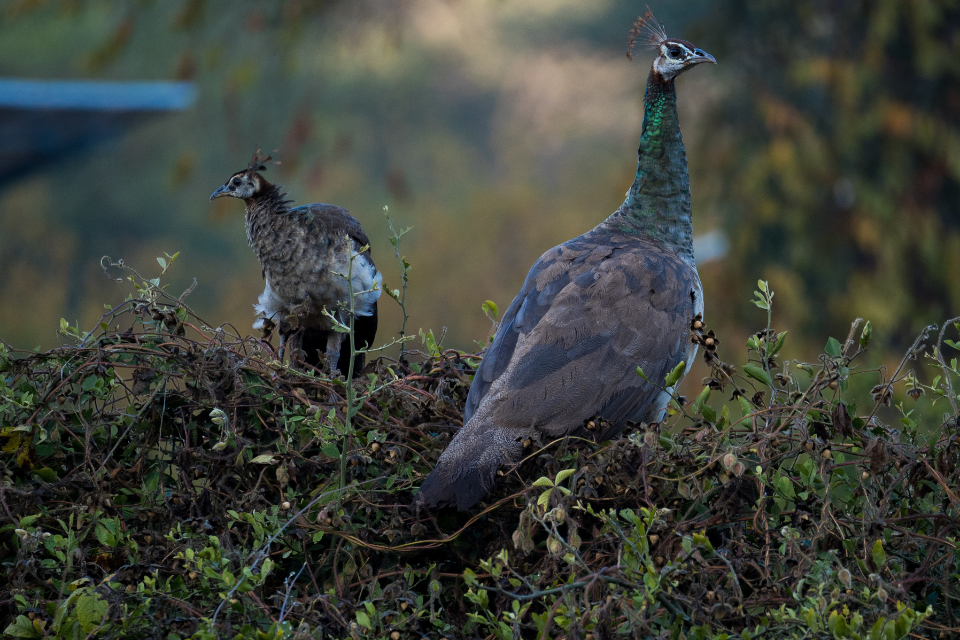
The Peacock’s Metallic Scream
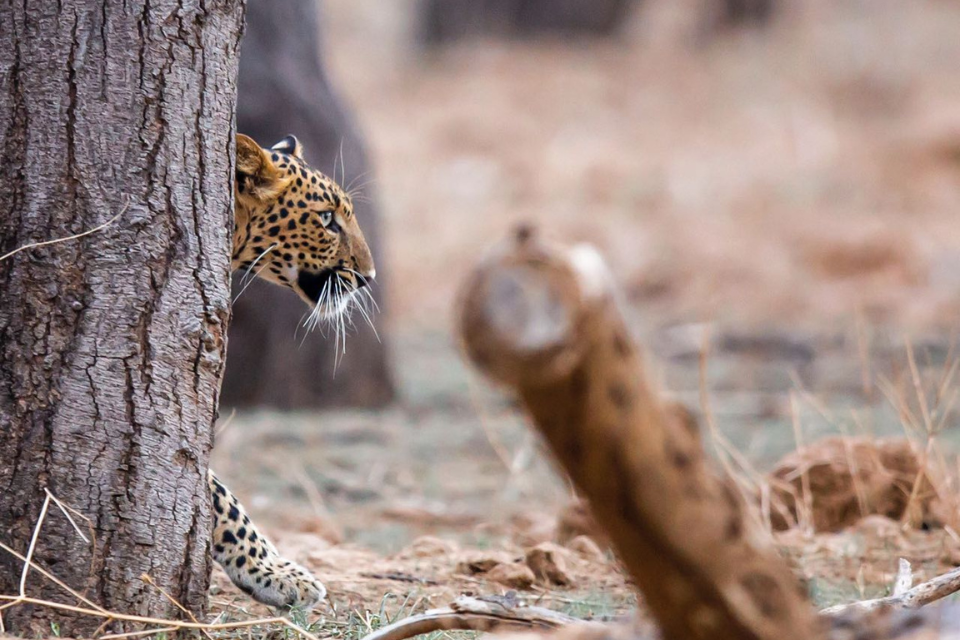
Peacocks are the ultimate ground-level sentinels. A sudden, sharp “Pee-awk” usually means a leopard is stalking through the undergrowth or crossing a track. In Jhalana, peacocks often form a perimeter around a resting leopard, making them a primary marker for trackers.
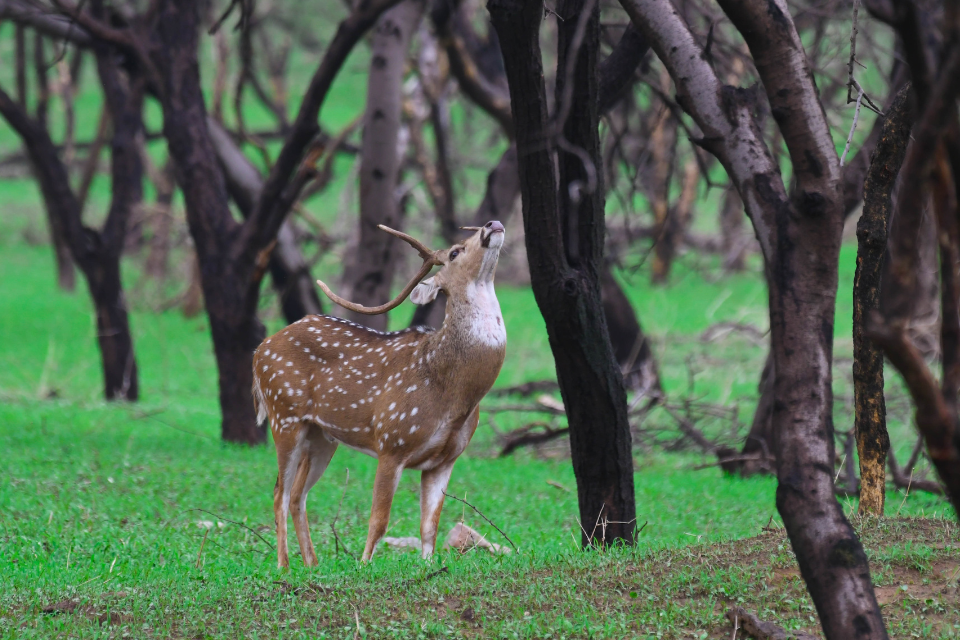
The Silence of the Chital
Spotted deer (Chital) are highly sensitive. When they freeze, tails up, staring in one direction with ears pricked, the “Ghost of the Forest” is likely stationary and watching you back. Tracking here is a game of patience—waiting for the deer to give away the leopard’s position.
2. Reading the “Dust Diary”: Identifying Fresh Pugmarks
Jhalana’s quartzite and sandy soil acts as a daily newspaper. Expert Jhalana leopard tracking involves identifying the “Freshness Index” of pugmarks left on the safari tracks.
-
Sharp Edges: If the ridges of the paw print are crisp and free of wind-blown dust, the leopard passed by within the last 30 minutes.
-
Overlapping Tracks: Often, you will see a leopard’s track on top of a Jeep’s tire tread from the previous shift—a clear sign that the predator is reclaiming the path after the humans have left.
-
The Scent Trail: In the early morning “dew hour,” the scent of a leopard is heavy. A musk-like smell near rocky outcrops often indicates a “kill” is hidden nearby.
3. High-Ground Vantage: The 2026 Ridge Strategy
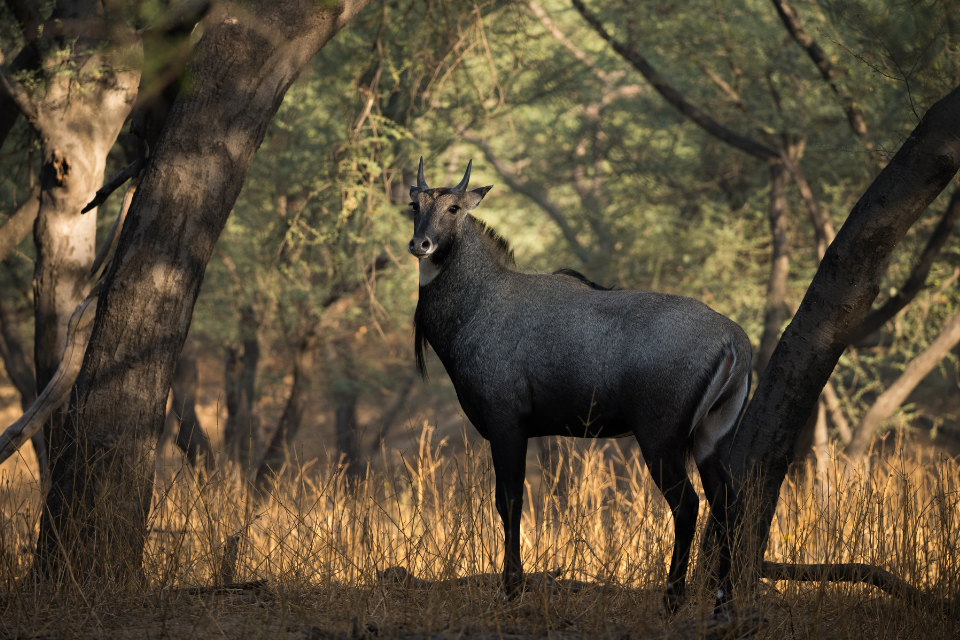
Leopards in Jhalana love the ridges. In 2026, trackers use the topography of the Aravallis as a strategic tool. Leopards use the elevation to scan for prey (like Nilgai and Wild Boar) and regulate their body temperature.
The trend in Jhalana leopard tracking this year is to “scan the skyline.” Instead of looking into the bushes, photographers are trained to look for the silhouette of a tail hanging from a rock or a rosette-patterned ear silhouetted against the grey stones of the upper ridges. This is particularly effective in Zone 2, which offers the best “Urban-Wild” contrast shots.
4. Seasonal Dynamics: Tracking Through the Year
While Jhalana is open year-round, your tracking strategy must change with the weather.
Summer (April to June): The “Saucer” Strategy
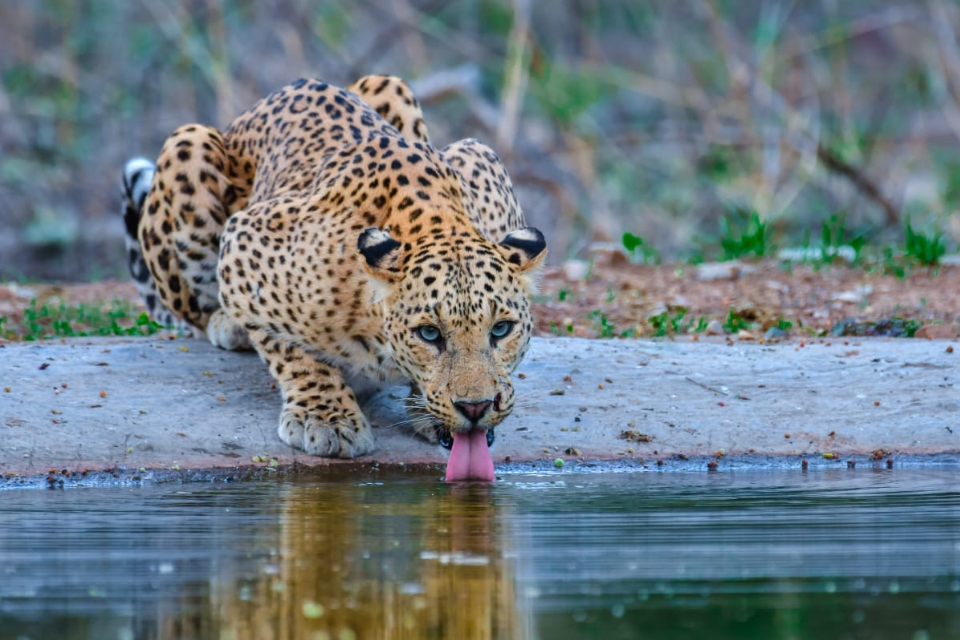
As the mercury hits 45°C, the forest dries out. Jhalana leopard tracking becomes more predictable. Trackers focus on the “Saucers”—man-made water holes. Leopards like Flora and Rana are frequently found resting in the shade of Anogeissus pendula (Dhok) trees within a 100-meter radius of these water sources.
Winter (October to March): The Sun-Basking Shift
The morning mist in the Aravallis is beautiful but makes tracking difficult. During these months, trackers look for “Hot Rocks”—south-facing slopes that catch the first rays of the sun. Leopards are cold-blooded enough to spend hours basking here to warm up after a night hunt.
Monsoon (July to September): The Green Maze
The forest turns a lush, emerald green. While tracks are washed away, the “alarm calls” are louder. This is the best time for “Scent Tracking,” as the damp earth holds the musk of the leopard longer.
5. Biodiversity of Jhalana: The Supporting Cast
To truly master Jhalana leopard tracking, you must know the neighbors. In 2026, the park’s biodiversity is thriving:
-
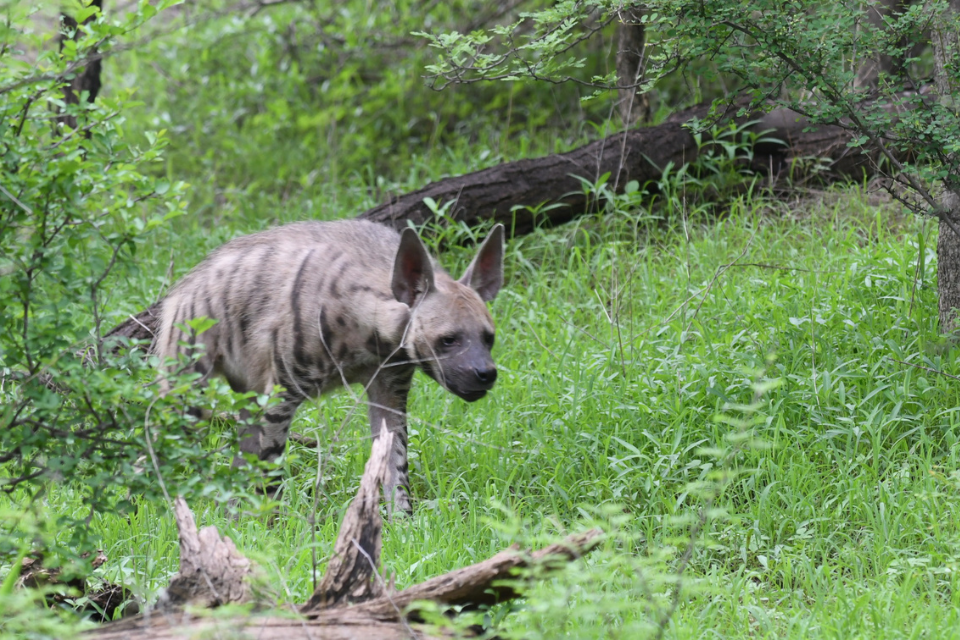
Striped Hyena: Often seen in the late evening, they follow leopards to scavenge. Seeing a hyena often means a leopard is nearby with a kill.
-
Desert Fox: Frequently spotted near the park’s periphery.
-
Blue Bulls (Nilgai): Their nervous behavior is a key indicator of a predator’s presence.
-
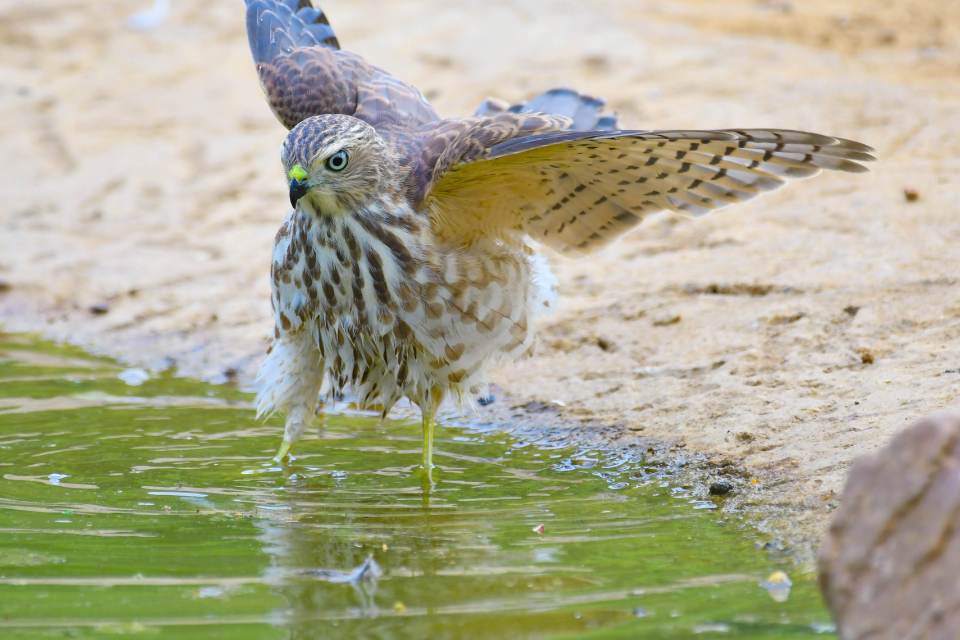
Avian Indicators: The Indian Pitta and various Owls act as “secondary trackers” for bird enthusiasts.
6. Planning Your 2026 Expedition: Logistics & Costs
Planning a tracking-focused trip requires early booking. In 2026, vehicle numbers are strictly capped to protect the habitat.
Booking & Pricing (Estimated 2026)
| Safari Category | Indian National | Foreign National |
| Shared Seat | ₹1,500 | ₹3,000 |
| Private Gypsy | ₹7,500 – ₹9,500 | ₹12,000 – ₹15,000 |
Note: The “Private Gypsy” is highly recommended for tracking as it allows you to stop and listen to the forest without the pressure of other passengers.
Required Gear
-
Lenses: 100-400mm is the sweet spot. Leopards in Jhalana often walk right up to the Jeep.
-
Clothing: Stick to “Earth Tones” (Khaki, Olive, Grey). Bright colors are a “visual alarm” for the cats.
-
Dust Protection: The Aravallis are dusty. Carry a “Buff” and lens sleeves.
7. The 2026 Conservation Impact: Why Your Visit Matters
When you engage in Jhalana leopard tracking, you are directly funding the Aravalli Green Wall Project. In 2026, a portion of every permit goes toward:
-
Solar-Powered Water Holes: Critical for survival in the Rajasthan heat.
-
RF-Monitoring: Tracking “Celebrity Leopards” to ensure they don’t wander into the city’s residential areas.
-
Invasive Species Removal: Replacing Prosopis juliflora with native trees to restore the natural prey-predator balance.
Frequently Asked Questions (FAQs)
Q1: What is the success rate of Jhalana leopard tracking?
A. As of 2026, Jhalana maintains a 90% sighting probability, the highest in India. However, successful tracking (witnessing active movement or hunting) happens in about 40% of safaris.
Q2: Is Zone 1 better than Zone 2 for tracking?
A. Zone 1 is better for first-timers looking for frequency. Zone 2 is better for serious trackers and photographers looking for the “Leopard vs. City” skyline shot.
Q3: How do I book a safari for Jhalana in 2026?
A. All bookings are managed via the Rajasthan Government SSO portal. We recommend booking 21 to 30 days in advance for peak season (Oct–March).
Q4: Can I track leopards on foot?
A. Absolutely not. Tracking is done exclusively from authorized 4×4 open-top Gypsys. Stepping out of the vehicle is illegal and dangerous.
Q5: What is the “Silence Protocol”?
A. When a tracker stops the engine to listen for alarm calls, all passengers must remain completely silent. Even a whisper can drown out the distant call of a langur, causing the tracker to lose the trail.
Disclaimer
This blog is for informational and SEO purposes only. Jhalana leopard tracking is a skill performed by certified forest guides. While the sighting rate is high, wildlife encounters are never 100% guaranteed. All rules, fees, and timings are subject to change by the Rajasthan Forest Department. Always follow the “No Plastic” and “No Flash” ethics for a responsible safari experience.