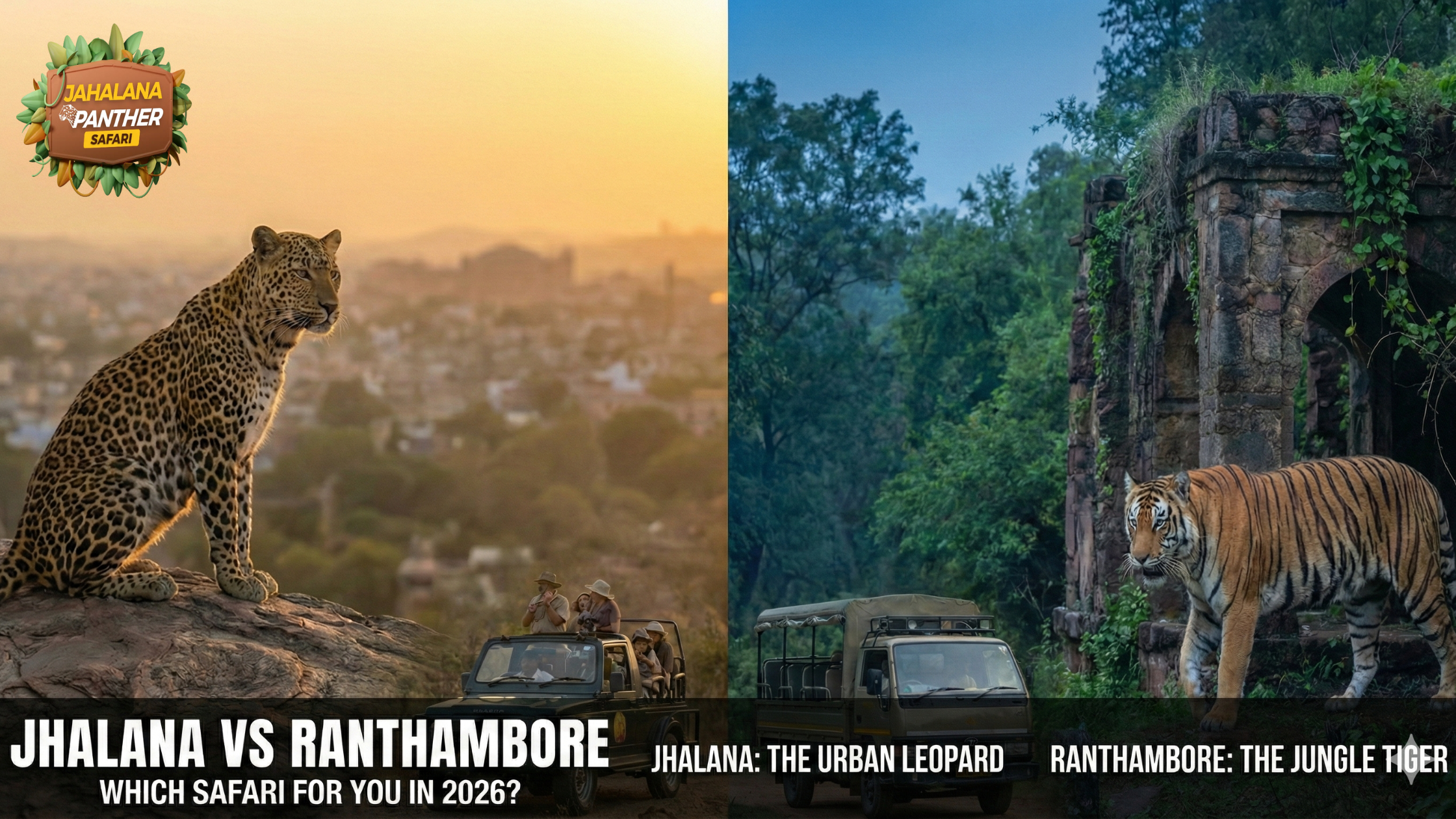
Jhalana vs. Ranthambore: Which Safari Should You Book in 2026?
If you are planning a wildlife trip to Rajasthan in 2026, you are likely facing the ultimate dilemma.
On one hand, you have Ranthambore National Park—the legendary land of the Royal Bengal Tiger, a massive, historic forest that is on every wildlife lover’s bucket list.
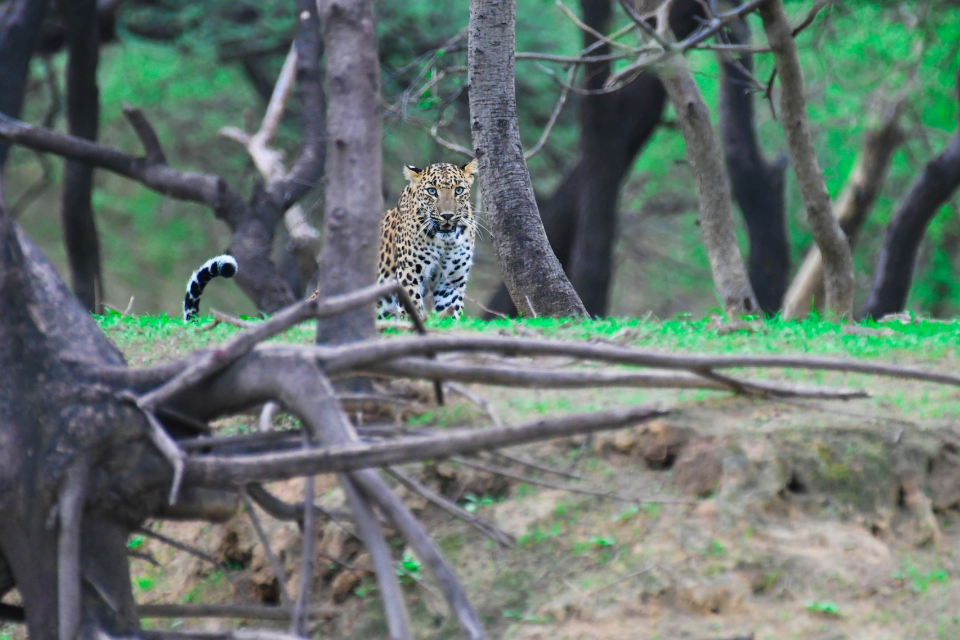
On the other hand, you have Jhalana Leopard Reserve—the rising star of Jaipur, a compact urban forest that promises frequent, intimate encounters with the elusive Indian Leopard.
Ideally, you would do both. But most travelers are short on time. If you only have one day to spare, which one gives you the better experience? Is the 4-hour drive to Ranthambore worth the gamble? Or is the city-based Jhalana a “tourist trap”?
In this no-nonsense 1,600-word Jhalana vs Ranthambore Safari showdown, we pit these two titans against each other on five critical metrics: Sighting Probability, Convenience, Photography, Cost, and “The Vibe.”
Round 1: The “Star Power” (Tiger vs. Leopard)
The first point in any Jhalana vs Ranthambore Safari debate is the animal itself.
Ranthambore: The King
Ranthambore is about the Tiger. Seeing a wild tiger walk out of the mist is a spiritual experience. It is massive, powerful, and iconic.
-
The Catch: Tigers are solitary and incredibly secretive. Ranthambore spans over 1,300 sq km (core + buffer). You can drive for 3 hours and see nothing but deer. The “Tiger Lottery” is real. In 2026, with increasing tourist zones, many visitors leave with zero predator sightings.
Jhalana: The Prince
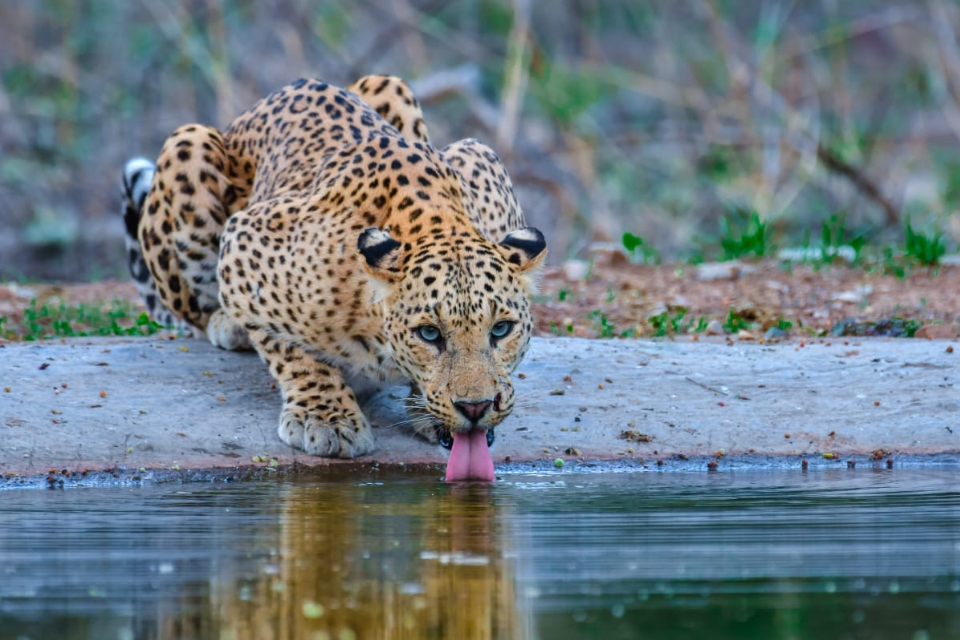
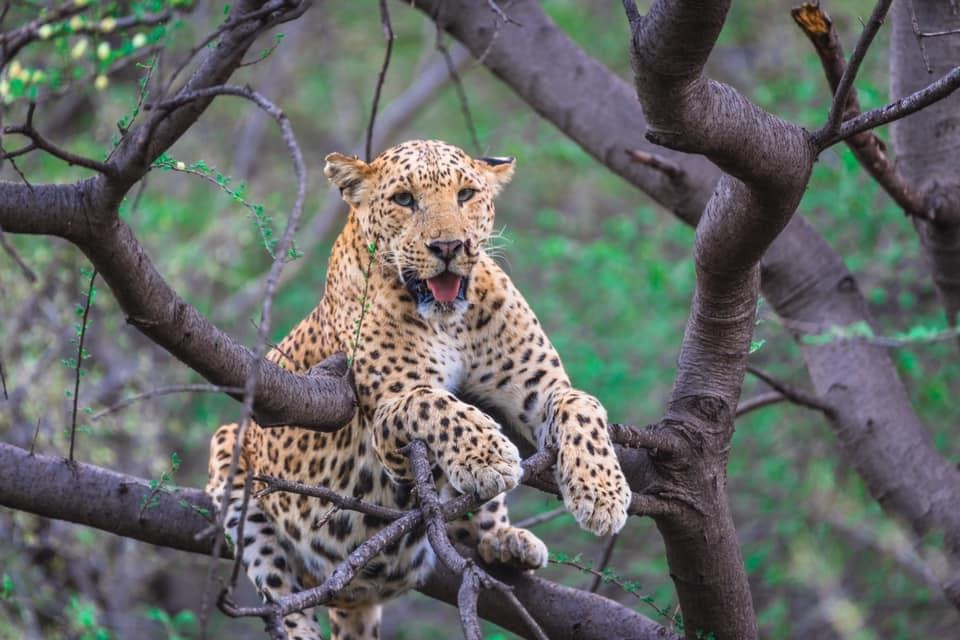
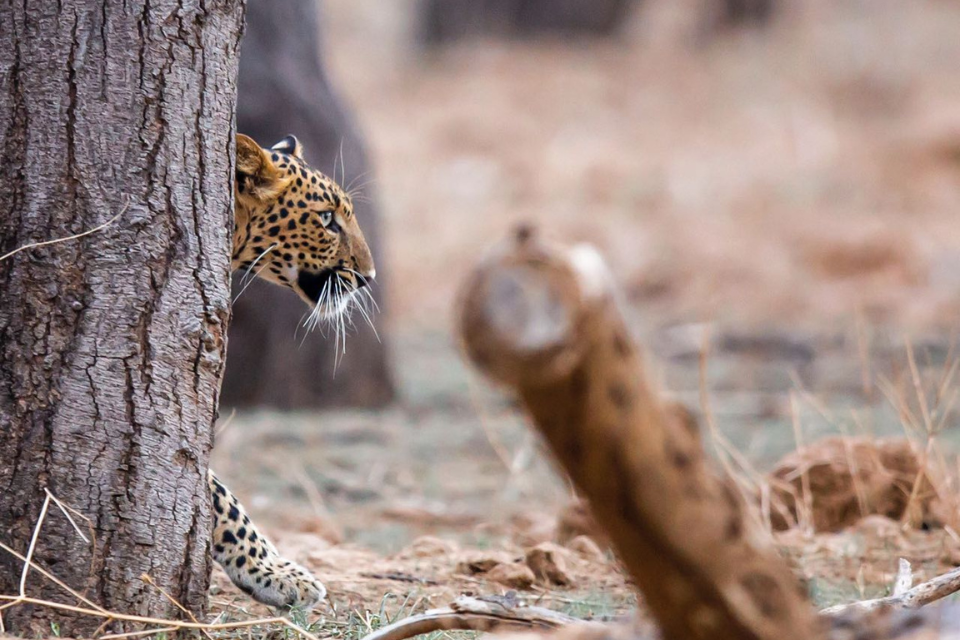
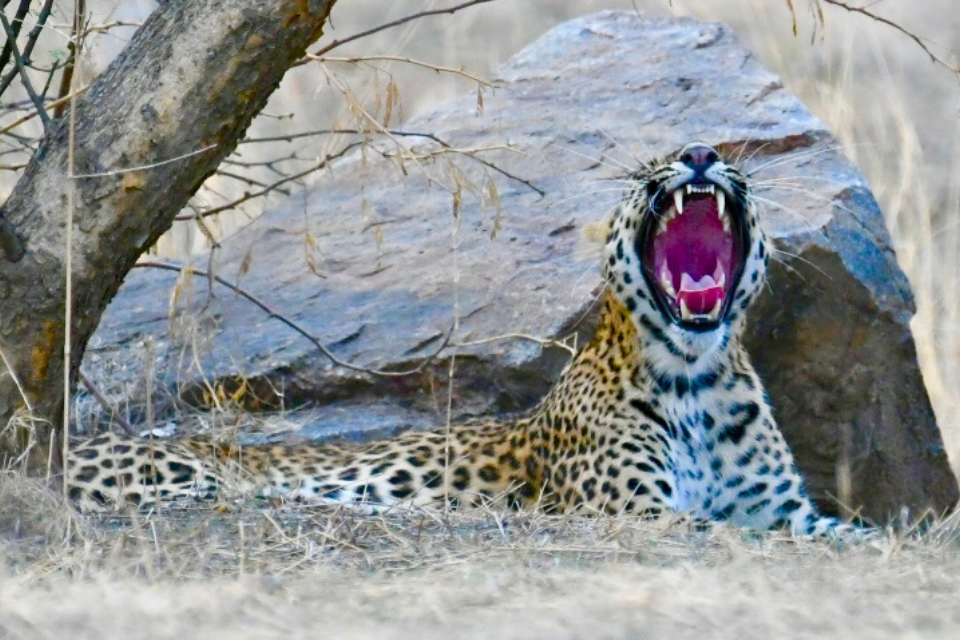
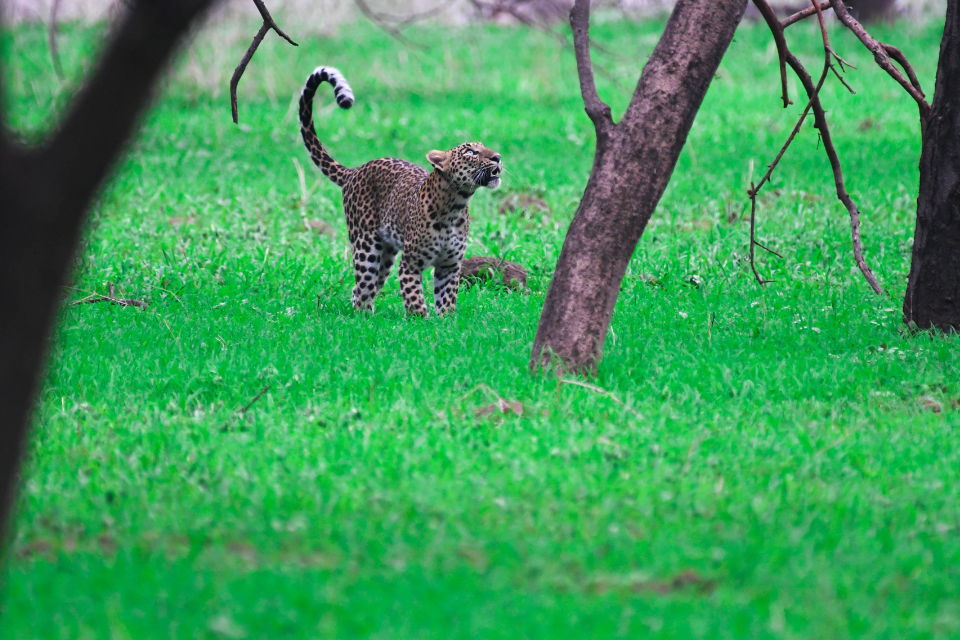
Jhalana is about the Leopard. While smaller than a tiger, the leopard is pound-for-pound the most beautiful cat in India.
-
The Advantage: Jhalana is tiny (approx. 20 sq km). The density of leopards here is among the highest in the world. You aren’t searching a haystack; you are searching a needle box.
-
The Reality: In a Jhalana vs Ranthambore Safari comparison, Jhalana wins on consistency. You don’t just hope to see a cat; you expect to. Sightings are often longer, closer, and more frequent.
Verdict: If seeing a predator (any predator) is your priority, Jhalana Wins. If seeing specifically a Tiger is your dream, Ranthambore is your only choice.
Round 2: The Sighting Probability (The Numbers Game)
Let’s look at the cold, hard statistics for 2026 to settle the Jhalana vs Ranthambore Safari odds.
Ranthambore Odds
-
Tiger Sighting: Approx. 30-40% (varies wildly by Zone).
-
Zones 1-5 (Core): Higher chance, but sold out months in advance.
-
Zones 6-10 (Buffer): Lower chance, often feels like a regular forest drive.
-
The Risk: It is very common to do 2-3 safaris in Ranthambore and see zero cats.
Jhalana Odds
-
Leopard Sighting: Approx. 80-90%.
-
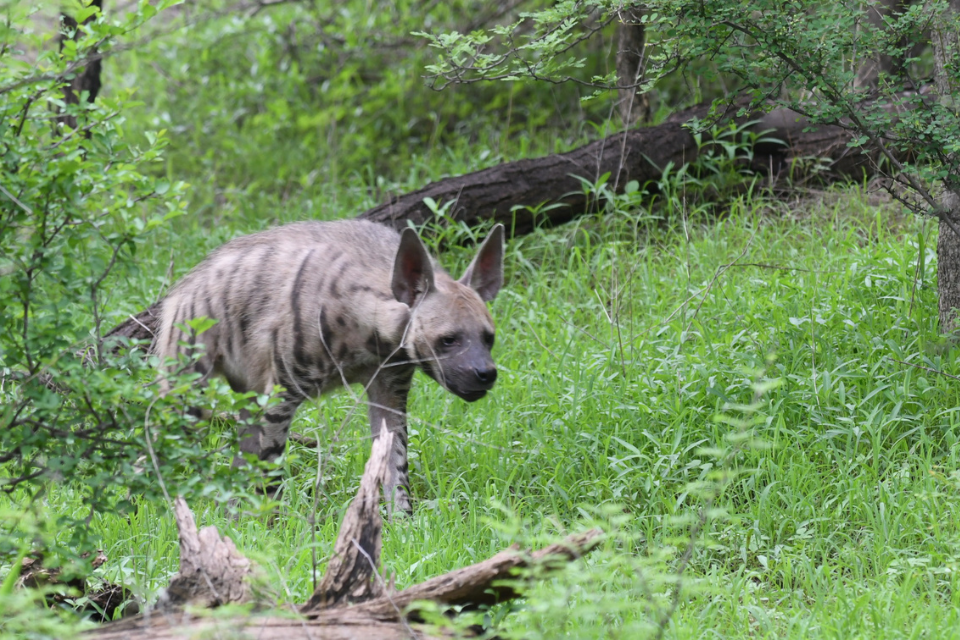
The Consistency: Because the park is small and the guides know every inch of it, it is rare to leave Jhalana empty-handed. Even if you miss a leopard, you are almost guaranteed to see Hyenas or Jackals.
Verdict: In the Jhalana vs Ranthambore Safari probability metric, Jhalana Wins. For a short trip, Jhalana offers a significantly higher Return on Investment (ROI) for your time.
Round 3: The Logistics (Travel & Fatigue)
This is where the Jhalana vs Ranthambore Safari debate shifts from “Wildlife” to “Vacation Planning.”
Ranthambore: The Long Haul
-
Distance: Approx. 160 km from Jaipur.
-
Travel Time: 3.5 to 4 hours (one way) by road.
-
The Commitment: You effectively lose a whole day just traveling. You need to wake up at 4 AM in Jaipur to reach Ranthambore for a morning safari, or stay overnight in Sawai Madhopur. It is a dedicated expedition.
Jhalana: The “City” Safari
-
Distance: 15-20 minutes from Jaipur International Airport or most hotels.
-
Travel Time: Negligible. You can land in Jaipur at 2:00 PM, reach your hotel, freshen up, and be at the Jhalana gate by 4:00 PM for the evening safari.
-
The Convenience: It fits seamlessly into a regular Jaipur itinerary (Amer Fort in the morning, Jhalana in the evening).
Verdict: Jhalana Wins by a landslide. When comparing Jhalana vs Ranthambore Safari logistics, Jhalana is the only safari in India you can do between business meetings or flight layovers.
Round 4: Photography Opportunities
For the shutterbugs, the Jhalana vs Ranthambore Safari comparison is tricky.
Ranthambore: The Grand Landscape
Ranthambore is stunning. Ancient forts, massive lakes, and Banyan trees create a “Jungle Book” backdrop.
-
The Shot: A tiger sitting in front of a 10th-century ruin is the holy grail.
-
The Challenge: Sightings are often far away. You need a big lens (500mm+). The foliage is dense, meaning the tiger is often obscured by grass.
Jhalana: The Clean Portrait
Jhalana is cleaner.
-
The Shot: A leopard sitting on a high quartzite rock against a clean blue sky or the city lights.
-
The Advantage: Sightings are often very close (10-20 feet). You can get incredible portraits even with a 200mm lens. The open habitat makes for “cleaner” backgrounds.
-
The Dust: Jhalana’s dust creates magical “golden hour” silhouettes that Ranthambore’s dense forest canopy often blocks.
Verdict: Tie. Ranthambore for “Environmental/Habitat” shots; Jhalana for “Close-up Portraits” and creative lighting.
Round 5: The “Vibe” & Crowds
How does the Jhalana vs Ranthambore Safari experience feel?
Ranthambore: The Chaos
Ranthambore is world-famous.
-
The Crowd: It is packed. At the gate, hundreds of Canters (buses) and Gypsies jostle for entry.
-
The “Tiger Jam”: If a tiger is spotted, 20-30 vehicles will converge on the spot. It can feel like a chaotic traffic jam with shouting drivers and dust clouds. It can break the immersion.
Jhalana: The Private Club
Jhalana limits entry.
-
The Crowd: Fewer vehicles are allowed per shift.
-
The Experience: While “Leopard Jams” do happen, the overall vibe is quieter. The urban setting makes it feel unique—seeing a wild leopard with airplanes flying overhead is a surreal reminder of nature’s resilience.
Verdict: Jhalana Wins for a slightly more controlled, less chaotic crowd experience (though weekends in Jhalana are busy too).
The 2026 Verdict: Who Should Choose What?
So, how do you settle the Jhalana vs Ranthambore Safari debate?
Choose Ranthambore IF:
-
It’s Your First Time in India: You cannot come to India and not try for a Tiger. It is the national animal for a reason.
-
You Have 2+ Days: You have time to stay overnight and do multiple safaris to increase your luck.
-
You Love Landscapes: You enjoy the forest drive itself, even if you don’t see a predator.
Choose Jhalana IF:
-
You Are Short on Time: You only have one evening in Jaipur.
-
You Hate Disappointment: You want a 90% guarantee of seeing a big cat.
-
You Are a Photographer: You want guaranteed portfolio shots of leopards without the 4-hour commute.
-
You Are Traveling with Kids: The short travel time and high sighting frequency keep kids engaged.
The “Pro” Move: The Combo
If you have 3 days in Jaipur, do both. The Jhalana vs Ranthambore Safari question doesn’t have to be “either/or.”
-
Day 1: Land in Jaipur, do an Evening Jhalana Safari. (Secure your predator sighting).
-
Day 2: Drive to Ranthambore, do an afternoon safari. Stay overnight.
-
Day 3: Ranthambore morning safari, drive back to Jaipur.
This way, Jhalana acts as your “insurance policy.” Even if the Tiger eludes you in Ranthambore, you go home with memories of the Leopard King of Jaipur.
FAQ: Jhalana vs Ranthambore Safari
Q: Which safari is cheaper: Jhalana vs Ranthambore Safari?
A: The base costs are similar (approx. ₹1,500 for Indians / ₹3,000 for Foreigners for a Gypsy seat). However, Ranthambore adds the cost of a 4-hour taxi ride (approx. ₹4,000 one way) and an overnight hotel, making Jhalana significantly cheaper overall.
Q: Can I do the Jhalana vs Ranthambore Safari comparison in one day?
A: No. You cannot effectively do both in a single day. The travel time (4 hours one way) makes it impossible to enjoy both parks without rushing.
Q: Are the vehicles different in the Jhalana vs Ranthambore Safari?
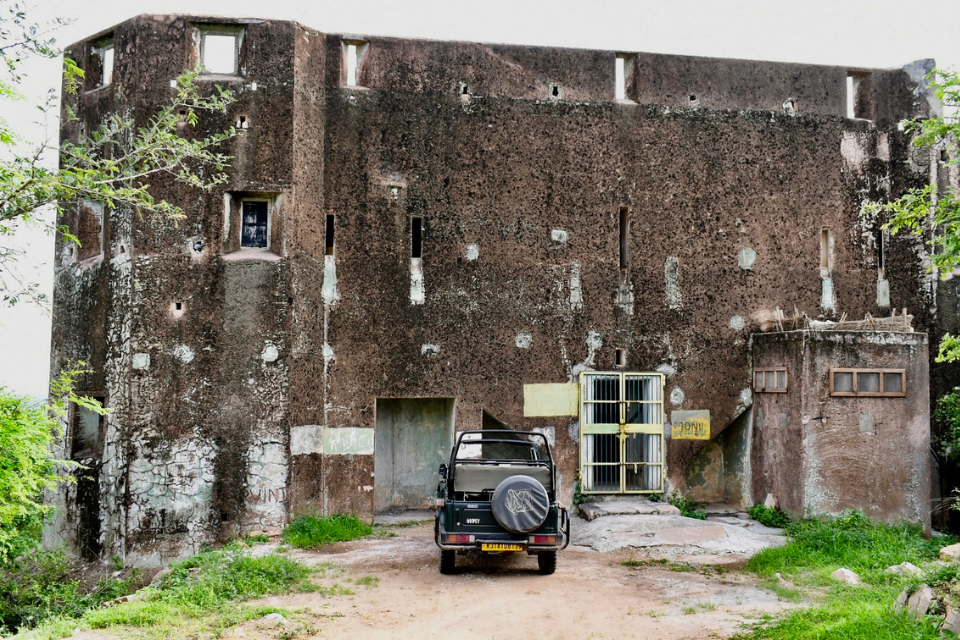
A: No. Both parks use the same Maruti Suzuki Gypsies (6-seater) and Canters (20-seater). The booking process (SSO Portal) is also identical for both.
Q: Is Jhalana a “Zoo” compared to Ranthambore?
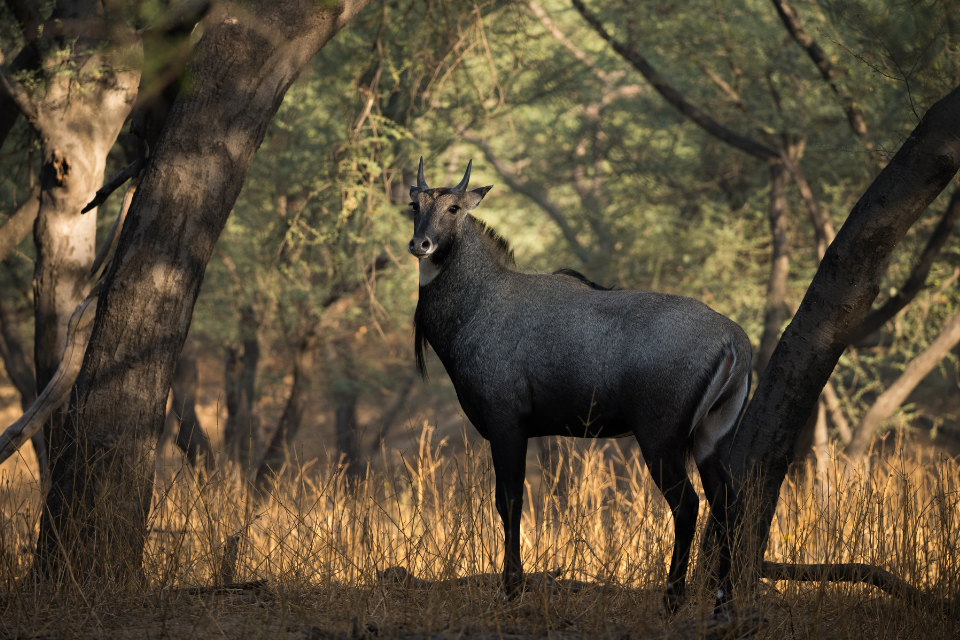
A: Absolutely not. In the Jhalana vs Ranthambore Safari debate, many assume Jhalana is a zoo because it is in the city. It is an unfenced, wild forest. The leopards hunt wild prey (Blue Bulls, Peacocks). They are free to leave the reserve (and sometimes do). It is 100% a wild safari experience.
Disclaimer
-
The comparison regarding “Sighting Probability” in the Jhalana vs Ranthambore Safari debate is based on general statistical trends observed up to 2026. Wildlife is unpredictable; it is possible to see three tigers in Ranthambore and zero leopards in Jhalana on a given day.
-
Travel times mentioned are subject to traffic conditions on the Jaipur-Sawai Madhopur highway.
-
The Rajasthan Forest Department controls ticket costs and zone rules and are subject to change without notice.