
7 Secret Skills of Jhalana Leopard Tracking (2026 Expert Guide)
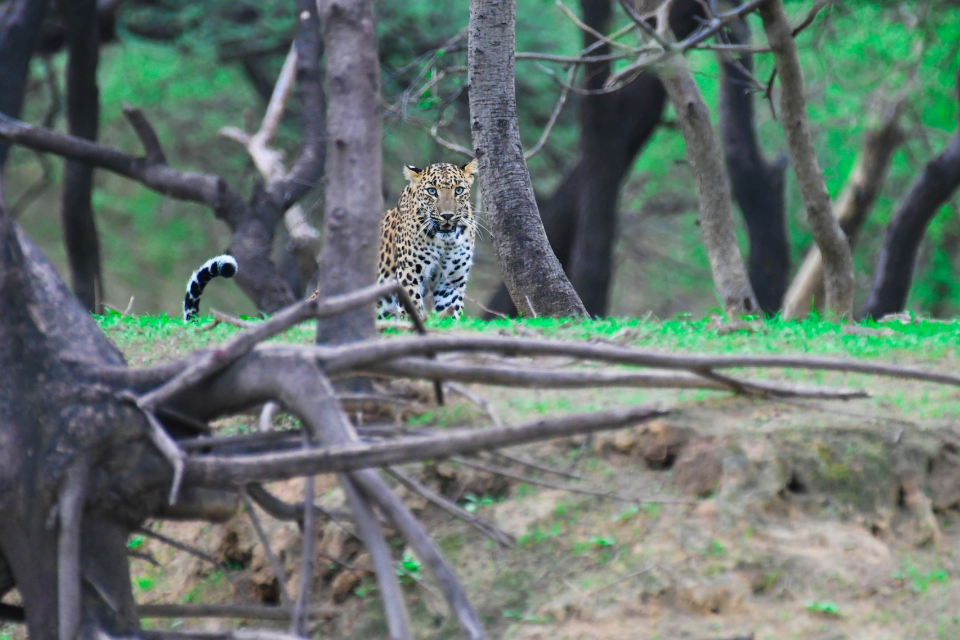
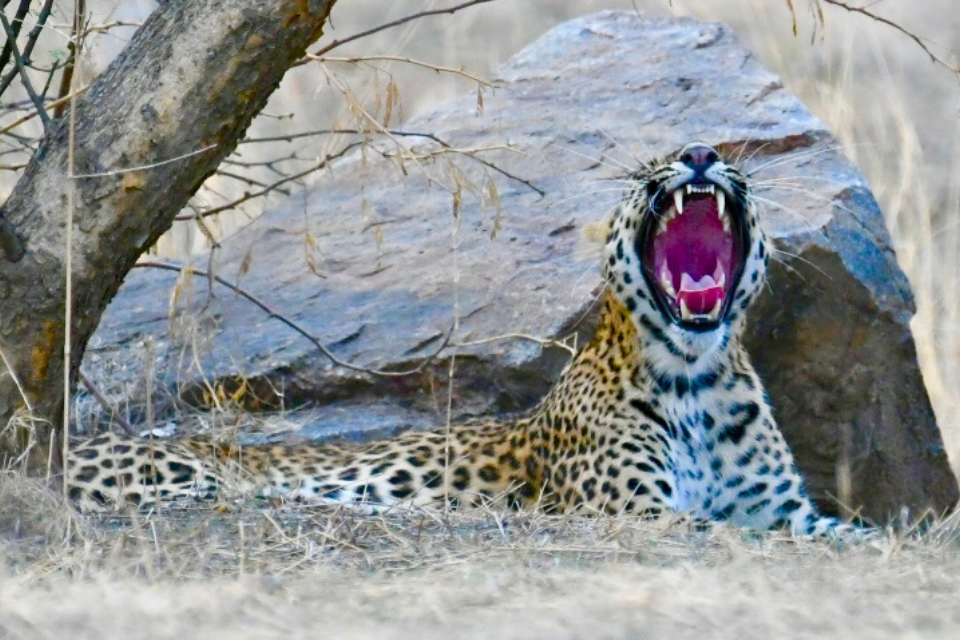
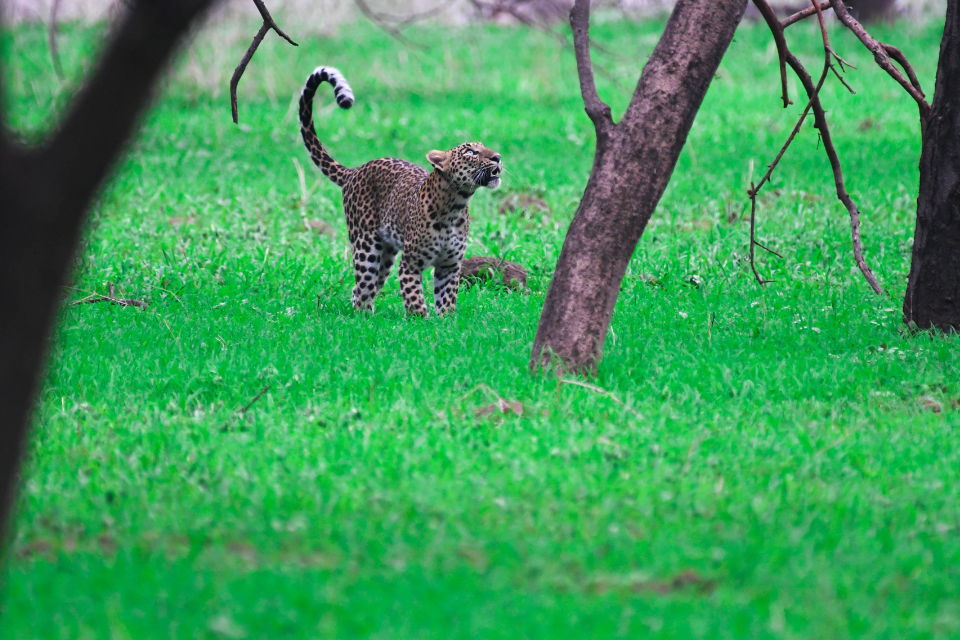
Most visitors to Jhalana Leopard Reserve leave with a memory of a spotted coat vanishing into the scrub. But for the elite trackers who navigate these Aravalli ridges daily, a sighting is never just luck. It is the culmination of a high-stakes, multi-sensory puzzle. Jhalana leopard tracking is an ancient language, and to truly appreciate your safari, you must learn to read the “Jungle Telegraph.” To truly master Jhalana leopard tracking, you need more than just luck; you need a deep understanding of the forest’s hidden signals.
In this exhaustive 1,500-word masterclass, we pull back the curtain on the expert techniques used by Jhalana’s top naturalists. From deciphering the frantic “khok-khok” of a langur to reading the “Dust Diary” of the forest floor, here is how we find the ‘Ghost’ in the heart of Jaipur through advanced Jhalana leopard tracking.
1. The Jungle Telegraph: Decoding Alarm Calls
The most vital tool in Jhalana leopard tracking isn’t a pair of high-end binoculars; it’s the highly tuned ears of the tracker. The forest is never truly silent; it is a constant stream of information. The art of Jhalana leopard tracking relies heavily on these avian and primate sentinels.
The Langur’s Sentinel Call
The Gray Langur is the leopard’s most dedicated stalker. Sitting high in the Dhok trees, they have a bird’s-eye view of the valley. When a leopard moves, the langurs emit a sharp, guttural “Khok-Khok-Khok.” A seasoned tracker can tell the leopard’s distance by the intensity of the call. If the langur is looking fixedly in one direction while calling, the leopard is likely stationary or stalking.
The Peacock’s Panic
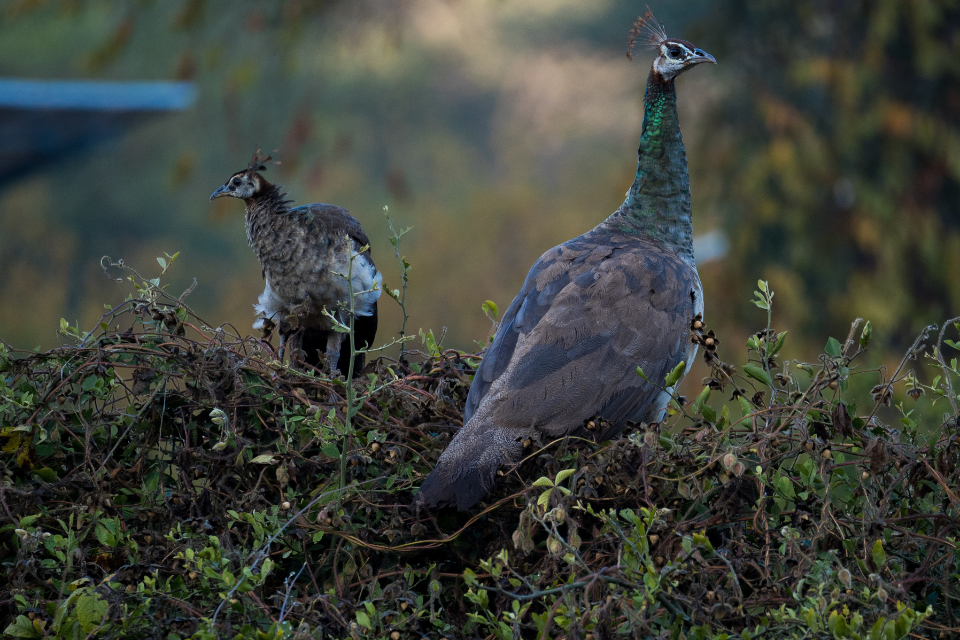
While the langur watches from above, the Peacock watches from the ground. Their alarm call is a loud, metallic “Pee-awk!” Because Peacocks are easily spooked, naturalists use them as a “secondary confirmation.” If both a langur and a peacock are calling in the same zone, the probability of a Jhalana leopard tracking success increases to nearly 90%.
The Deer’s Bark
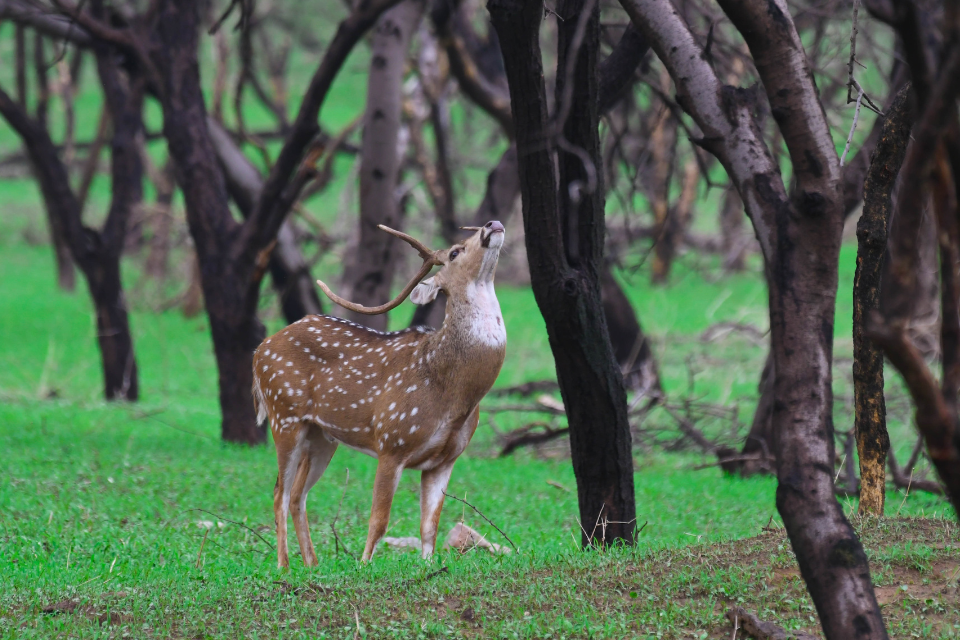
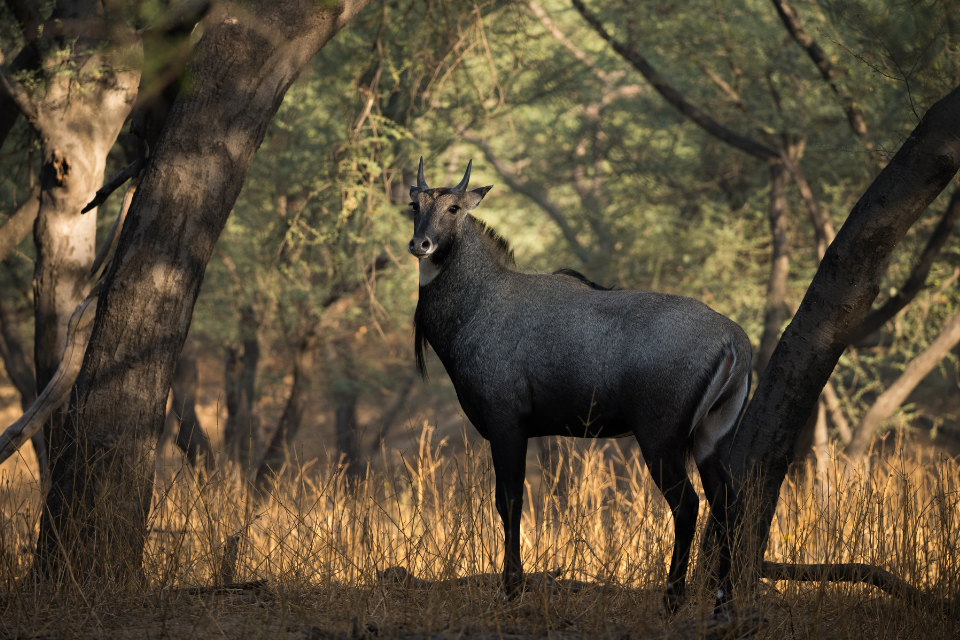
The Spotted Deer (Chital) and the Nilgai have their own distinct alarm barks. A Chital’s bark is a short, sharp whistle-like sound. In Jhalana, where the terrain is rocky, the sound of a deer’s hooves clicking against stone combined with an alarm bark is a “hot lead” that is essential for successful Jhalana leopard tracking.
2. Reading the “Dust Diary”: Pugmarks and Scat
The sandy tracks of Jhalana are like a daily newspaper for trackers. Every footprint tells a story in the world of Jhalana leopard tracking, and every morning, the forest floor is a fresh “Dust Diary” waiting to be read.
Freshness and Direction
Naturalists look at the “rim” of a pugmark. If the edges of the print are sharp and the sand inside is still moist, the leopard passed by within the hour. By analyzing the distance between the prints, a tracker can tell if the cat was walking calmly, stalking, or in a full sprint. This granular detail is what separates amateur observation from professional Jhalana leopard tracking.
The Story in the Scat
It may not be the most glamorous part of Jhalana leopard tracking, but “scat” (droppings) provides vital data. Fresh scat indicates that a leopard has recently “marked” its territory. It also tells us what the leopard has been eating. Hair and bone fragments of Nilgai or Chital help trackers understand the predator’s current health and energy levels.
3. The Quartzite Vantage: Topography as a Tool
Jhalana’s geography is its greatest asset. Understanding the terrain is a core pillar of Jhalana leopard tracking, as the steep ridges create a natural amphitheater for sightings.
High-Ground Advantage
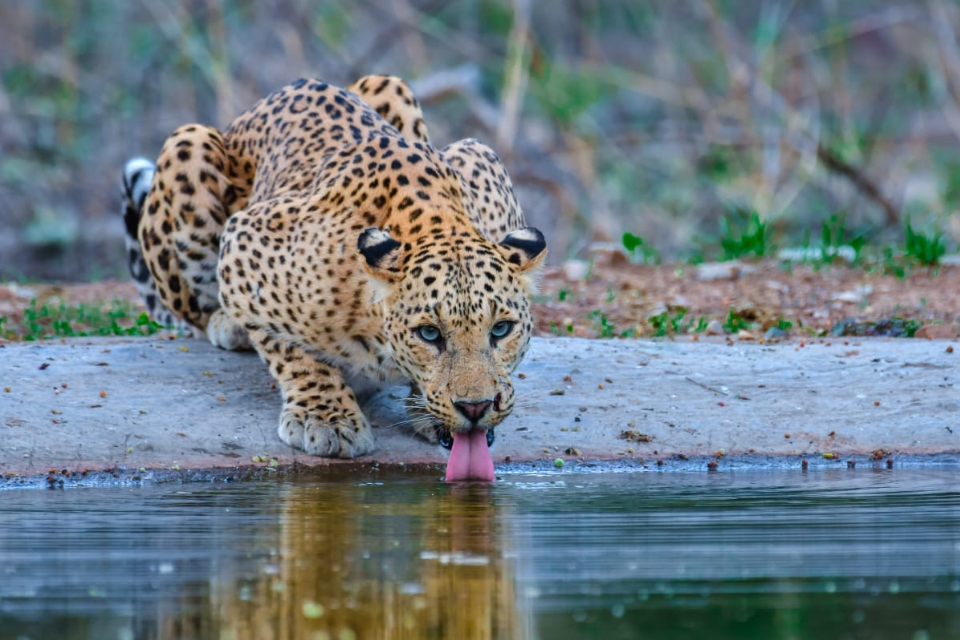
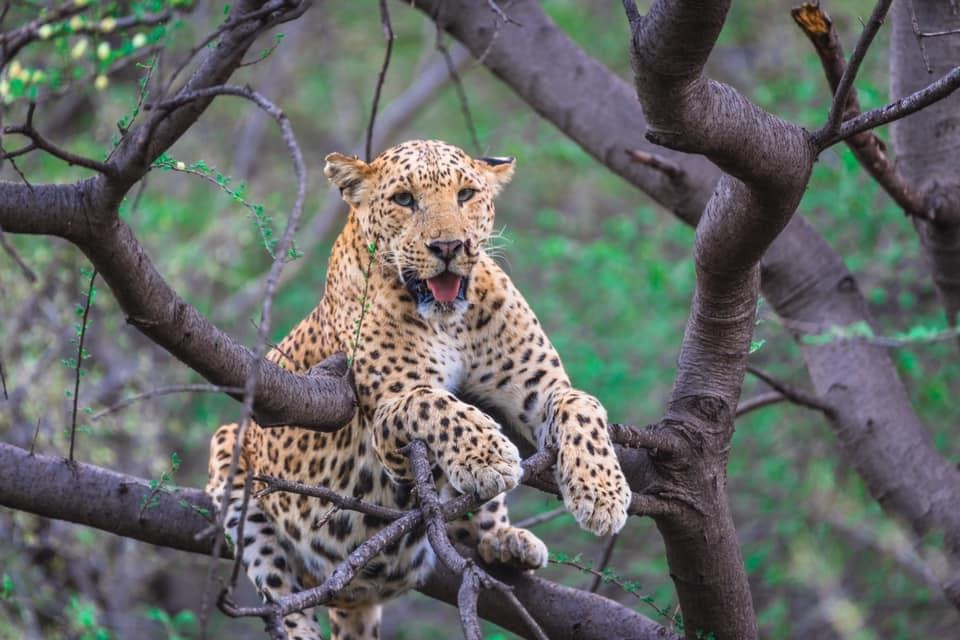
Leopards in Jhalana love the ridges. They use the elevation to scan for prey and to avoid the heat of the valley floor. Expert Jhalana leopard tracking involves “scanning the skyline.” Naturalists don’t just look into the bushes; they look at the silhouettes on the quartzite rocks.
The Valley Funnel
Trackers know that certain “Ghatis” (valleys) act as natural corridors. Leopards are creatures of habit; they prefer paths of least resistance. Predictive Jhalana leopard tracking involves positioning a safari gypsy at the “exit” of a known valley corridor, anticipating the leopard’s next move.
4. The Scent of the Kill: Olfactory Tracking
In the dense summer heat or the still winter air, the sense of smell becomes a primary tool. A naturalist’s intuition is what sets professional Jhalana leopard tracking apart, especially when following the scent of a hidden kill.
Following the “Dead Scent”
Leopards are famous for “caching” their kills—sometimes dragging them into the deep recesses of caves or high into the branches of a tree. Naturalists use their sense of smell to locate these hidden kills. Once a kill is found, the Jhalana leopard tracking strategy shifts to a “stakeout,” knowing the leopard will return.
5. Habituation vs. Wild Instinct
Effective Jhalana leopard tracking also requires an understanding of “habituation.” Jhalana’s leopards are wild, but they have grown accustomed to the presence of safari vehicles over the decades.
The Sound of the Gypsy
Leopards like Bahubali and Flora do not view the safari gypsies as a threat. Expert naturalists understand this dynamic, using it as a specialized form of Jhalana leopard tracking to position the vehicle for the best possible view without disturbing the animal.
6. The “Ghost” Strategy: Predicting the Stalk
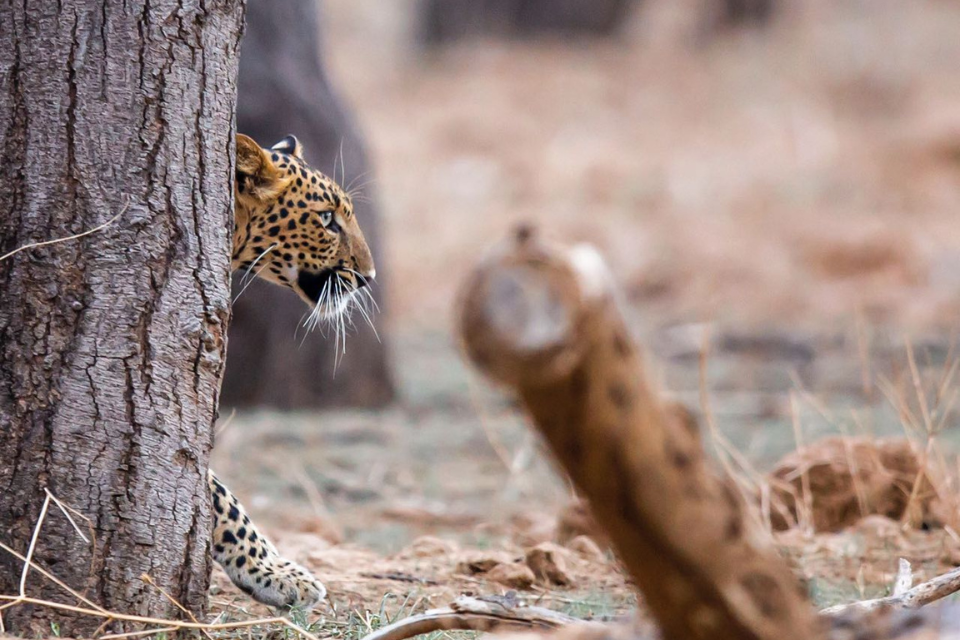
Leopards are masters of the ambush. Predictive Jhalana leopard tracking is about seeing the forest through the predator’s eyes and anticipating their hunting psychology.
Analyzing Prey Behavior
If a herd of Chital (Spotted Deer) is standing perfectly still, all facing the same direction, they have detected a predator. By following the gaze of the prey, a tracker can pinpoint the exact bush where the leopard is crouching. This is a vital component of advanced Jhalana leopard tracking.
7. The Naturalist’s Toolkit: 2026 Tech and Tradition
Modern Jhalana leopard tracking combines ancient tradition with 2026 technology to maximize sighting opportunities for guests.
High-Index Binoculars
A tracker’s eyes are good, but 10×42 binoculars are better. These allow for long-distance Jhalana leopard tracking, scanning distant ridges for the slight glint of an eye or the flick of a tail.
Wireless Coordination
In Jhalana, trackers work as a team. Using radio sets, they share “calls,” creating a network of real-time Jhalana leopard tracking data that ensures the “Ghost” has nowhere to hide.
8. The Ethics of the Track: Respecting the Predator
Responsible Jhalana leopard tracking ensures these cats thrive for generations. The most important skill in the world of Jhalana leopard tracking is knowing when to stop.
Give the Leopard Space
A responsible tracker never “corners” an animal. By maintaining a respectful distance, Jhalana leopard tracking remains a sustainable activity that prioritizes wildlife conservation over a simple photo opportunity.
Conclusion: More Than Just a Sightings Game
Jhalana leopard tracking is a tribute to the resilience of nature and the skill of the human mind. When you enter the gates of Jhalana in 2026, remember that your naturalist is performing a complex mental calculation. Every second spent on Jhalana leopard tracking is a lesson in patience and ecological awareness.
FAQ: The Art of Jhalana Leopard Tracking
- Can a beginner learn Jhalana leopard tracking?
A. Yes! While it takes years to master, beginners can learn to spot fresh pugmarks and identify the basic alarm calls that are essential for Jhalana leopard tracking.
- Is Jhalana leopard tracking harder in the rain?
A. Rain can wash away tracks, making Jhalana leopard tracking more challenging on the ground, but the damp earth often makes scent tracking more effective for expert naturalists. - Why are binoculars so important if the trackers use their ears?
A. Trackers use their ears to find the zone, but binoculars are essential to find the cat. Leopards are the ultimate masters of camouflage; even when you know exactly which tree they are in, you often need magnification to distinguish their fur from the leaves. - Do the leopards ever follow the safari vehicles?
A. Occasionally, yes. Young, curious leopards sometimes follow vehicles out of playfulness or to use the vehicle’s engine noise to mask their own footsteps while they stalk prey. - What is the most reliable alarm call in Jhalana?
A. The Gray Langur is widely considered the most reliable. Unlike deer, which can be spooked by a falling branch or a snake, langurs specifically reserve their guttural “khok” for large predators like leopards. - How do naturalists tell different leopards apart?
A. It’s all in the “rosettes” (the spots). Just like human fingerprints, no two leopards have the same spot patterns on their faces. Naturalists also look for ear notches, tail length, and overall body size to identify stars like Bahubali or Flora.
Disclaimer
- Respect All Life: Every creature in the ecosystem, from the smallest reptile to the largest antelope, deserves respect. Do not ask the driver to speed past “common” animals just to find a leopard.
- Do Not Feed: Never attempt to feed any animal in the reserve, including monkeys. Feeding disrupts their natural diet and habituates them to humans, leading to conflict.
- Stay in the Vehicle: You are a guest in their home. Getting out of the safari vehicle is strictly prohibited and extremely dangerous.