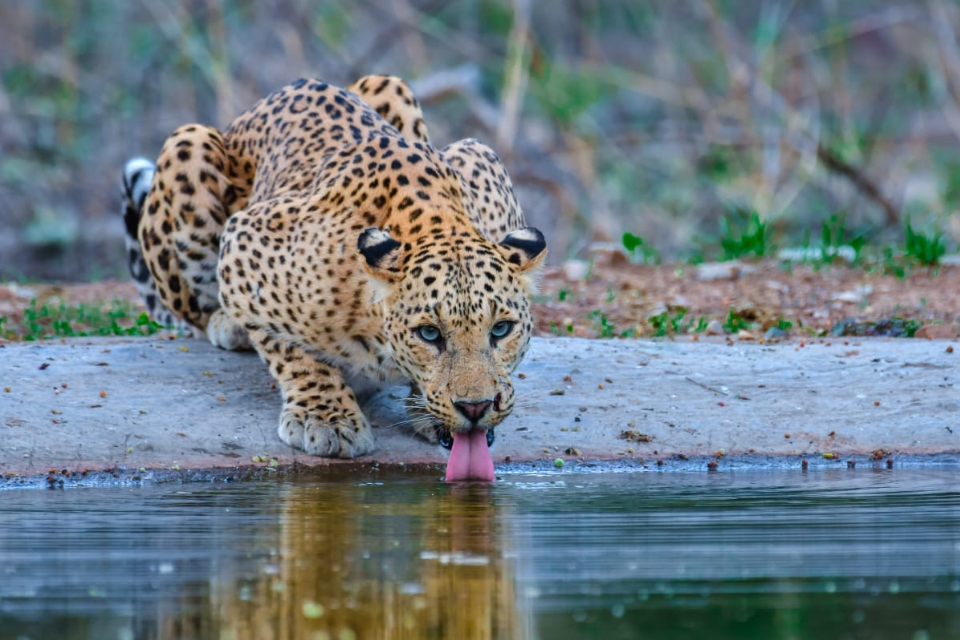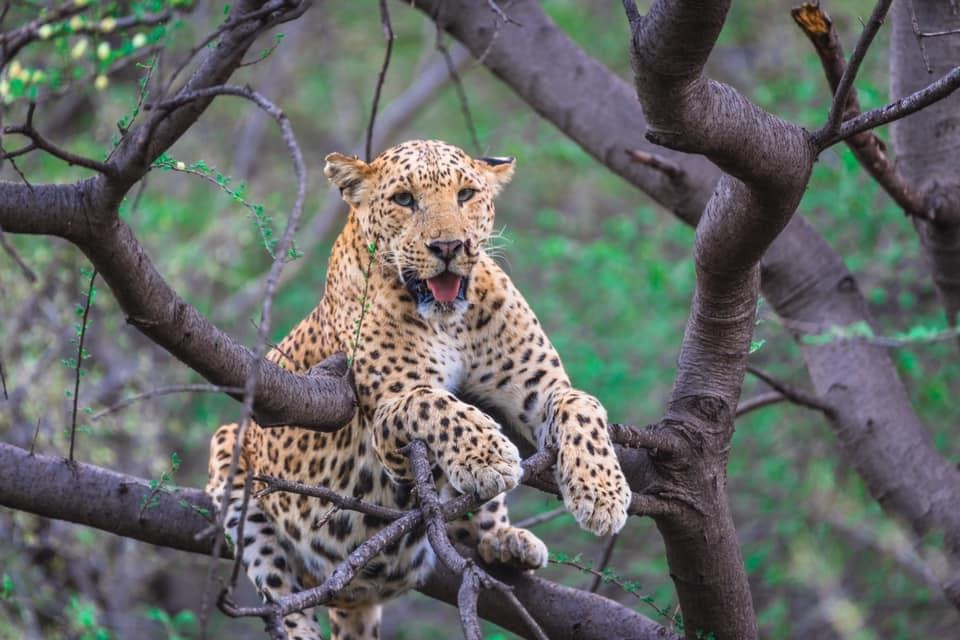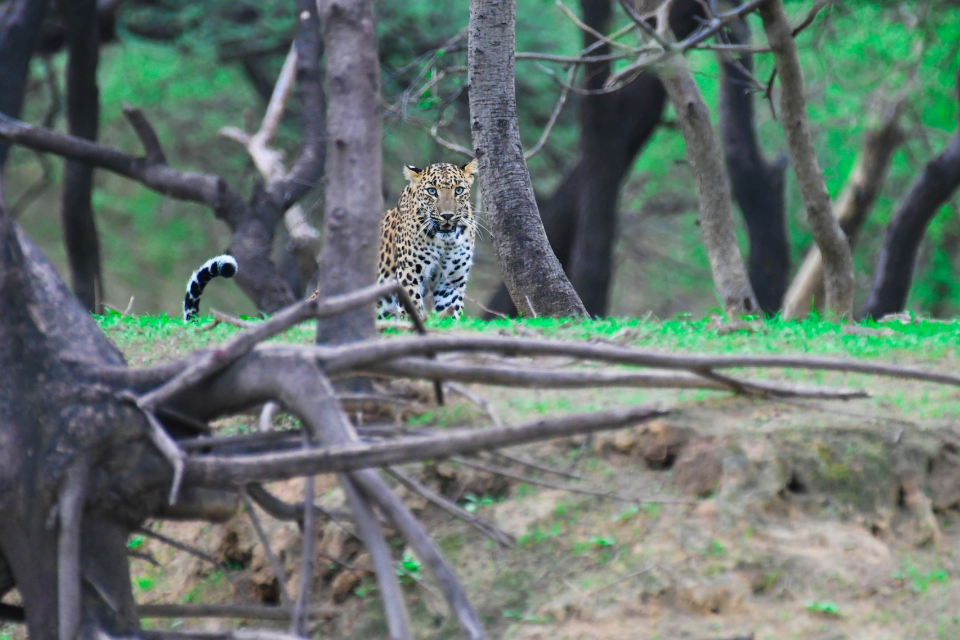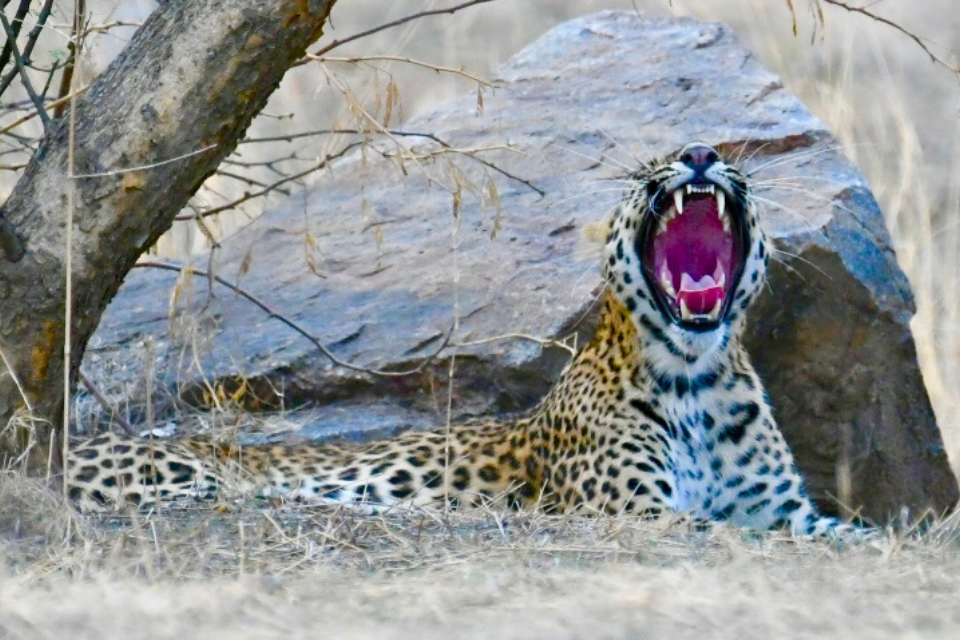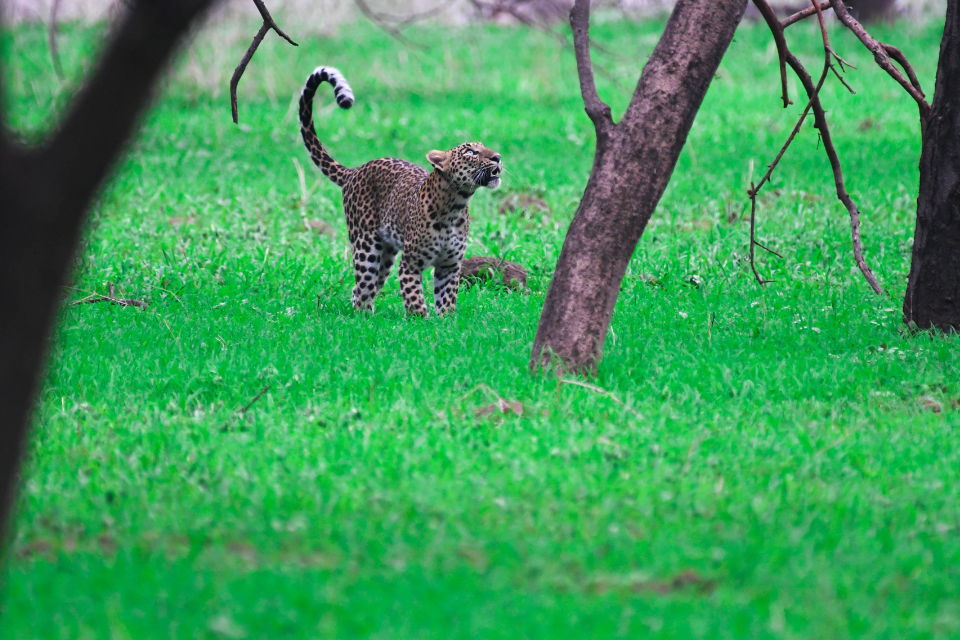
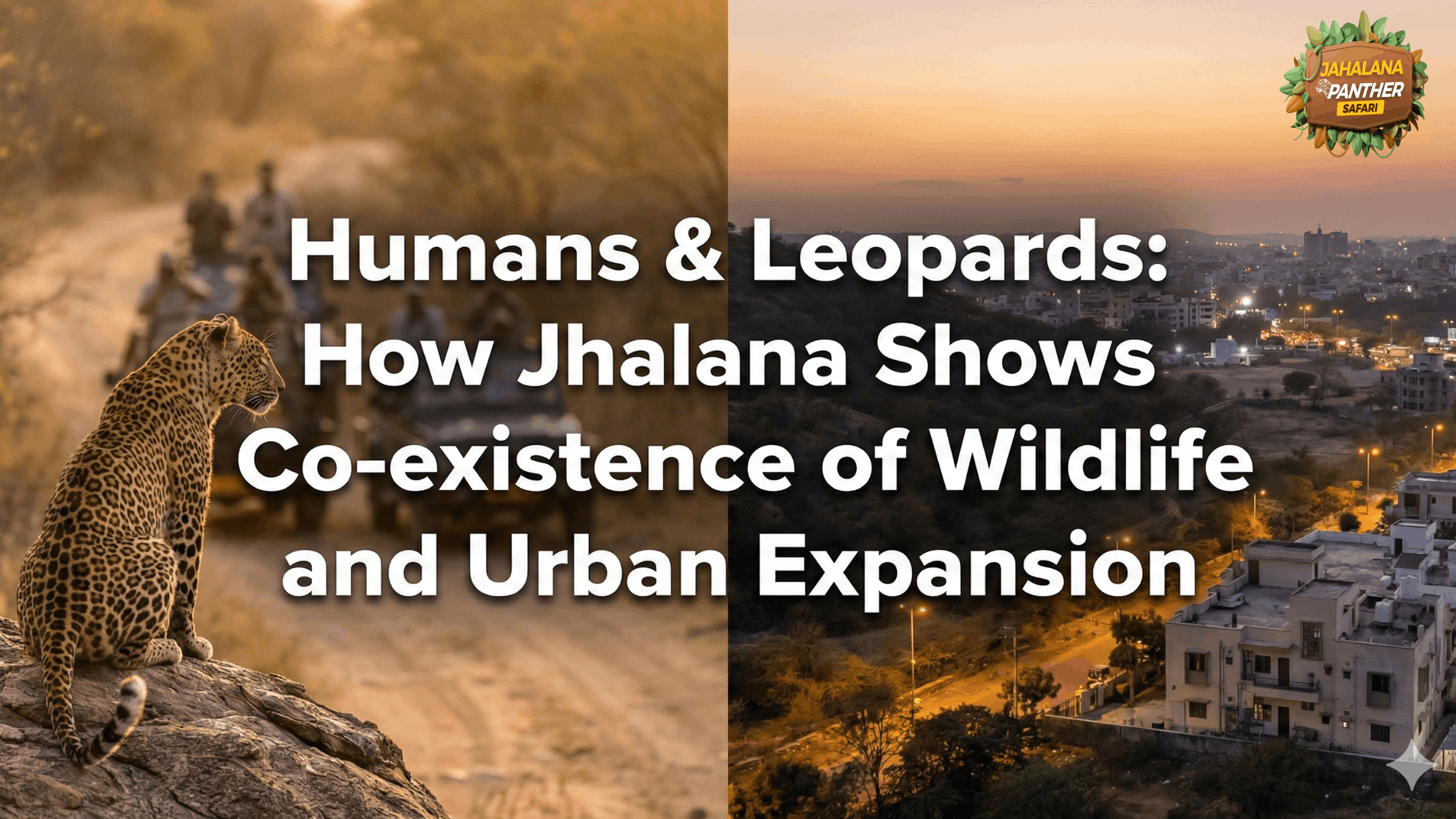
Jhalana Leopard Reserve Coexistence, In the heart of Jaipur, a city known for its royal palaces and bustling markets, lies a world that defies the traditional narrative of man versus nature. Jhalana Leopard Reserve, a 20-square-kilometer ecological island, has become the global poster child for urban wildlife conservation. As of 2026, it remains one of the few places on Earth where a high density of apex predators—leopards—lives in relative harmony with a metropolitan population of over 3 million people.
This isn’t just a story of survival; it’s a masterclass in behavioral adaptation, community tolerance, and strategic urban planning. This blog explores how Jhalana manages the delicate balance between the “Pink City’s” expansion and the predatory instincts of its resident big cats.
The Ecological Island: Jhalana in the Urban Matrix
Jhalana is literally engulfed by Jaipur. To its west and south lie the heavily populated neighborhoods of Malviya Nagar and Jagatpura; to its north, the NH11 highway separates it from the Amagarh forest. Despite being surrounded by concrete, Jhalana’s leopard population has not just survived—it has thrived.
The Stats of Success (2026):
- Area: Approx. 20 sq. km (Core area).
- Leopard Density: One of the highest in India, with over 40 leopards (including cubs) recorded in 2025-26.
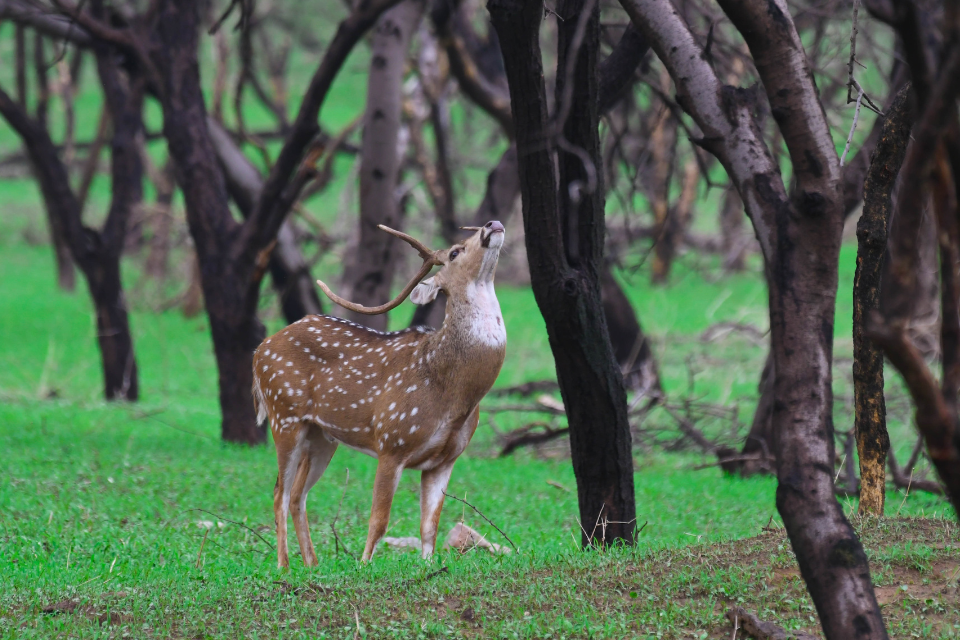
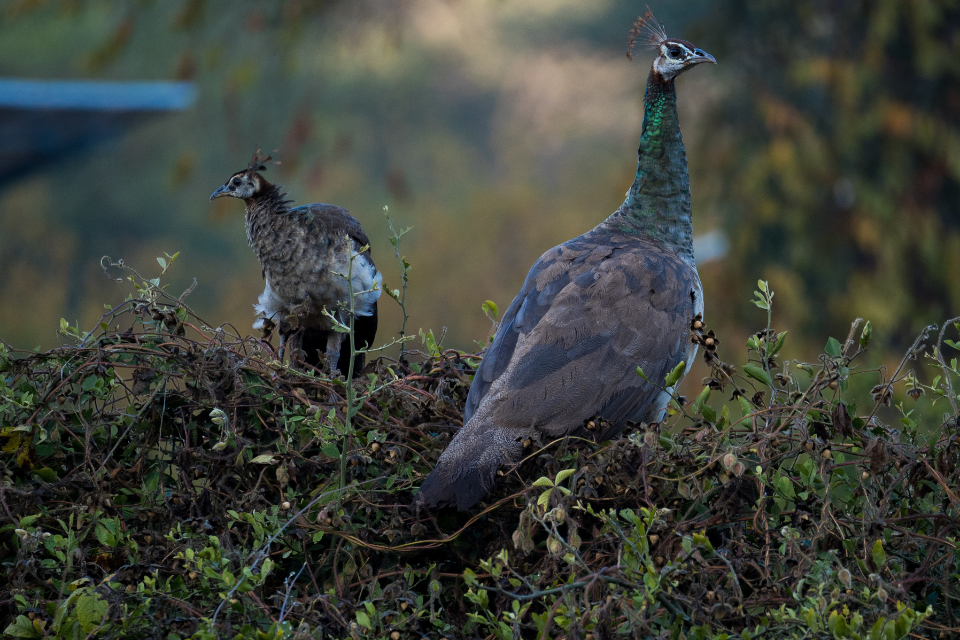
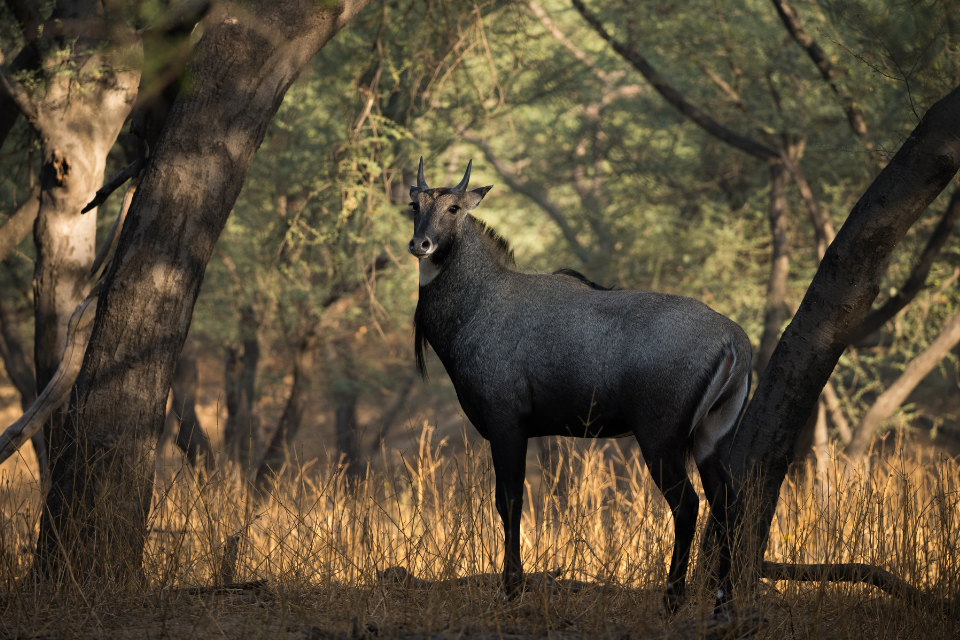
- Prey Base: A healthy ecosystem of Nilgai (Blue Bulls), Spotted Deer, Peacocks, and Langurs.
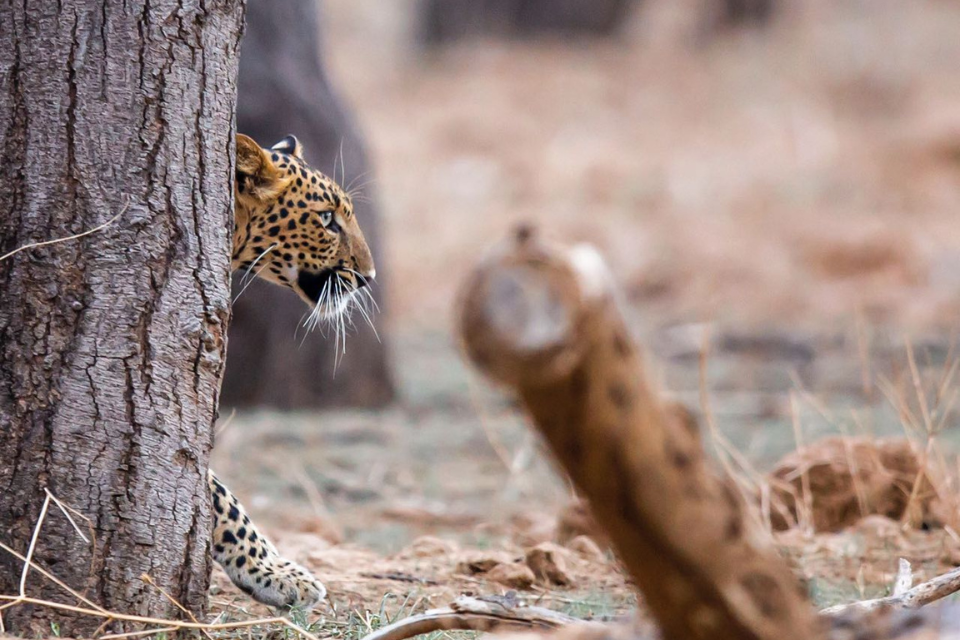
- Predatory Adaptation: Jhalana’s leopards have become masters of the “Urban Shift,” often becoming more nocturnal and using the cover of rocky Aravalli outcrops to avoid human detection.
Pillars of Coexistence: How Harmony is Maintained
Coexistence in Jhalana isn’t accidental; it’s a result of a multi-pronged strategy involving the Rajasthan Forest Department, local communities, and technology.
1. The Great Wall of Jhalana
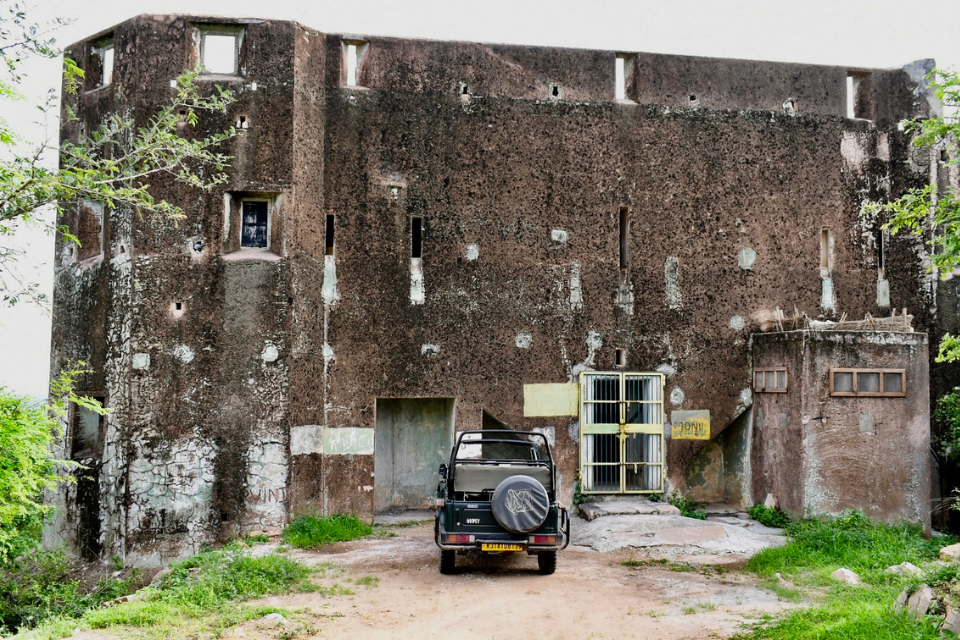
One of the most significant physical interventions was the construction of a 30.6 km continuous boundary wall. This 8-foot-tall structure serves two purposes:
- Encroachment Prevention: It stops the city’s sprawl from eating into the limited forest floor.
- Conflict Mitigation: It acts as a physical deterrent, preventing leopards from straying into residential backyards and livestock from entering the forest.
2. Behavioral Adaptation
Leopards are naturally shy and elusive. In Jhalana, they have adapted their “Activity Budget.” They utilize the day to rest in deep thickets or caves and are most active during the twilight hours when human footfall is regulated. Interestingly, the leopards here have become “vehicle-neutral,” allowing for successful eco-tourism without triggering aggression.
3. Technological Surveillance
Jhalana is a “Smart Forest.” The use of GPS collars, 24/7 camera traps, and even drone surveillance allows rangers to monitor leopard movements in real-time. If a leopard is spotted near a breach in the wall or close to a settlement, rapid response teams can intervene before a conflict occurs.
Eco-Tourism: Turning Predators into Protectors
Eco-tourism has been the “X-Factor” in Jhalana’s success. By opening the reserve for regulated safaris, the forest department has achieved three major goals:
- Funding Conservation: Safari fees go directly back into habitat restoration, creating artificial waterholes, and anti-poaching patrols.
- Local Employment: Many former hunters or unregulated forest users now work as certified nature guides and gypsy drivers. When the community profits from the leopard’s presence, they become the forest’s first line of defense.
- Global Awareness: Thousands of visitors witness the coexistence firsthand, spreading the message that big cats and humans can share space.
Challenges: The Thin Line of Stability
While Jhalana is a model, it is not without its stressors. As urban expansion continues in 2026, new challenges have emerged:
- Habitat Fragmentation: The NH11 highway and residential clusters act as barriers. Efforts are currently underway to establish secure wildlife corridors to connect Jhalana with the Amagarh and Galta forests to ensure genetic diversity.
- Prey Density Stress: A high leopard population puts immense pressure on the natural prey base. Controlled re-wilding and grassland development are essential to prevent leopards from seeking domestic prey (dogs/livestock).
- Noise and Light Pollution: The constant hum of the city and bright streetlights can disrupt the natural circadian rhythms of the forest inhabitants.
❓ Frequently Asked Questions (FAQ)
Q1: Is Jhalana Leopard Reserve safe for tourists? A: Yes. Safaris are conducted in open-top 4×4 gypsies with trained guides. Leopards in Jhalana are accustomed to vehicles and generally ignore them. Following park rules is mandatory for safety.
Q2: What is the best time to spot a leopard in Jhalana? A: While the park is open year-round, October to March offers pleasant weather. However, the Summer months (April to June) offer the highest sighting probability as leopards frequent the artificial waterholes.
Q3: How many leopards are there in Jhalana? A: As of 2026, there are over 40 leopards inhabiting the Jhalana and Amagarh conservation block, making it one of the densest habitats in India.
Q4: Can I visit Jhalana during the monsoon? A: Yes, Jhalana is one of the few reserves in India that stays open during the monsoons, though safaris may be canceled during extreme rain.
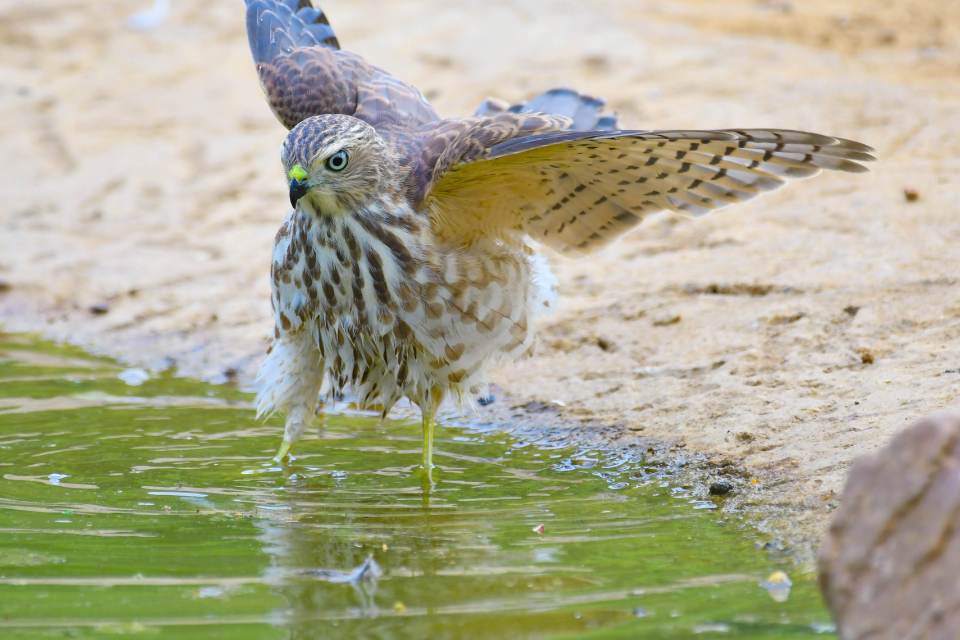
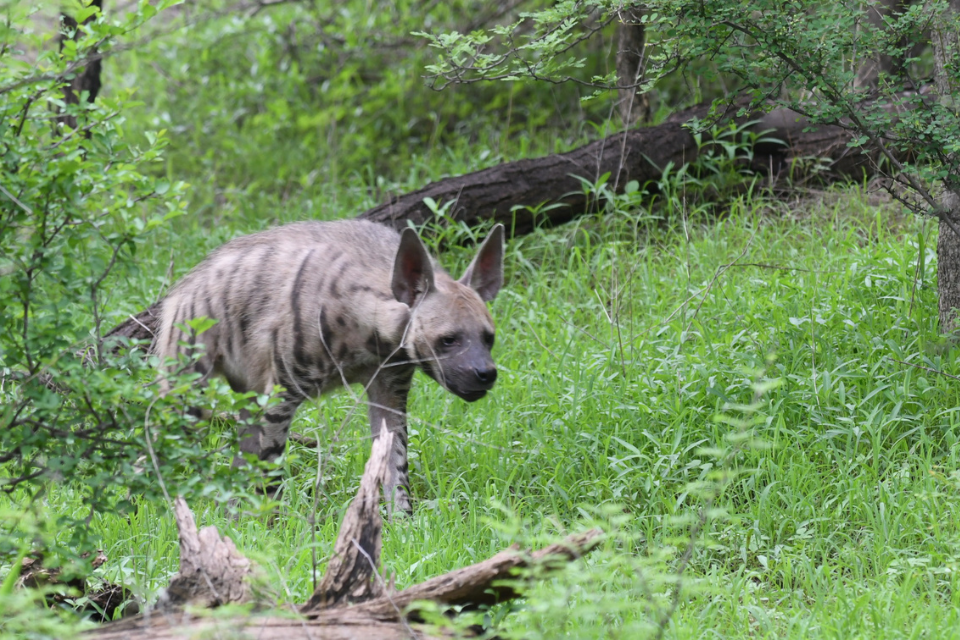
Q5: What other animals can I see besides leopards? A: You can see Striped Hyenas, Desert Foxes, Nilgai, Spotted Deer, Jungle Cats, and over 150 species of birds including Owls and Eagles.
Q6: What is “Project Leopard”? A: Launched in 2017 by the Rajasthan Government, it was India’s first dedicated project to conserve leopards, similar to Project Tiger, with Jhalana being its flagship reserve.
Q7: Does Jhalana have any tigers? A: No. The last tigers were seen in 1948. Today, the leopard is the apex predator of this landscape.
Q8: How far is Jhalana from Jaipur city center? A: It is incredibly close—just a 15-20 minute drive from most parts of Jaipur city, making it a perfect half-day trip.
Disclaimer
Wildlife sightings are never guaranteed and depend on the luck of the day. Jhalana is a protected forest; visitors must strictly adhere to the Forest Department’s guidelines. For the safest and most ethical experience, we encourage booking through our verified portal.
Conclusion
Jhalana is more than a safari park; it is a beacon of hope. It proves that with a combination of physical boundaries, community engagement, and psychological tolerance, humans and leopards can coexist even in the most crowded environments. As Jaipur expands, Jhalana stands as a reminder that progress doesn’t have to come at the cost of our wild heritage. It is a fragile, beautiful balance that we must all work to protect.