5 Secrets: The Neon Jungle of Jhalana Panther Safari (2026 Guide)
Imagine sitting in an open-top gypsy, the cool air of the Aravallis brushing against your face. To your left, a prehistoric rock formation carved by eons of wind. To your right, the shimmering, golden glow of Jaipur’s city lights and the distant hum of traffic on the Malviya Nagar flyover. Suddenly, a pair of amber eyes reflects not the moonlight, but the LED glow of a nearby apartment complex.
Welcome to the “Neon Jungle.”
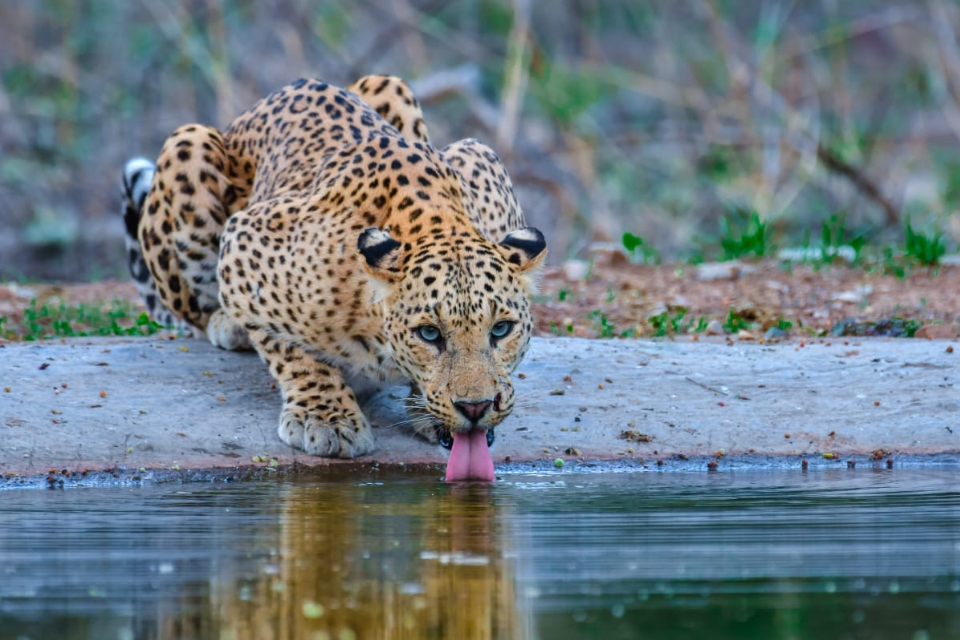
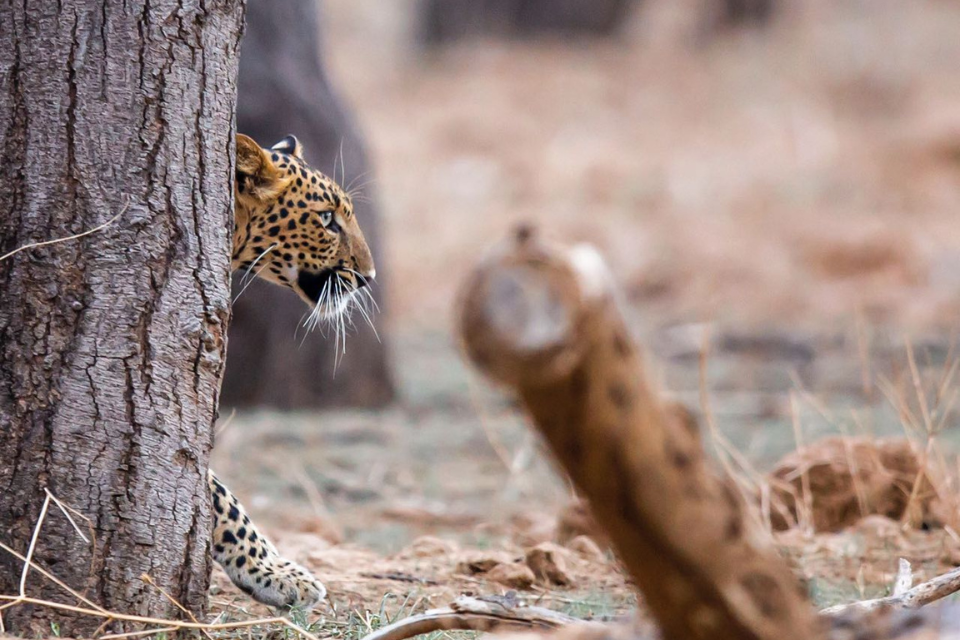
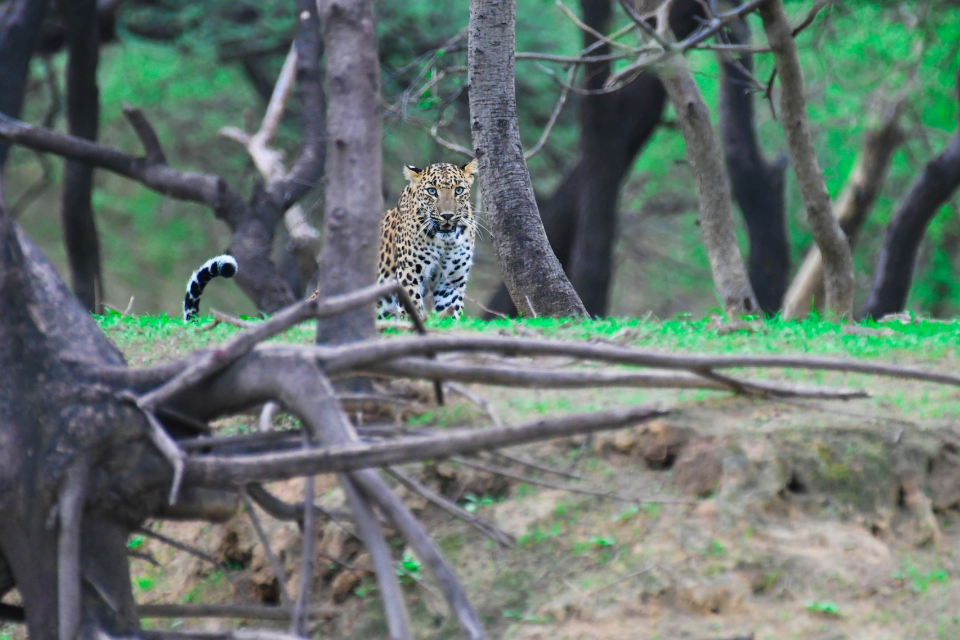
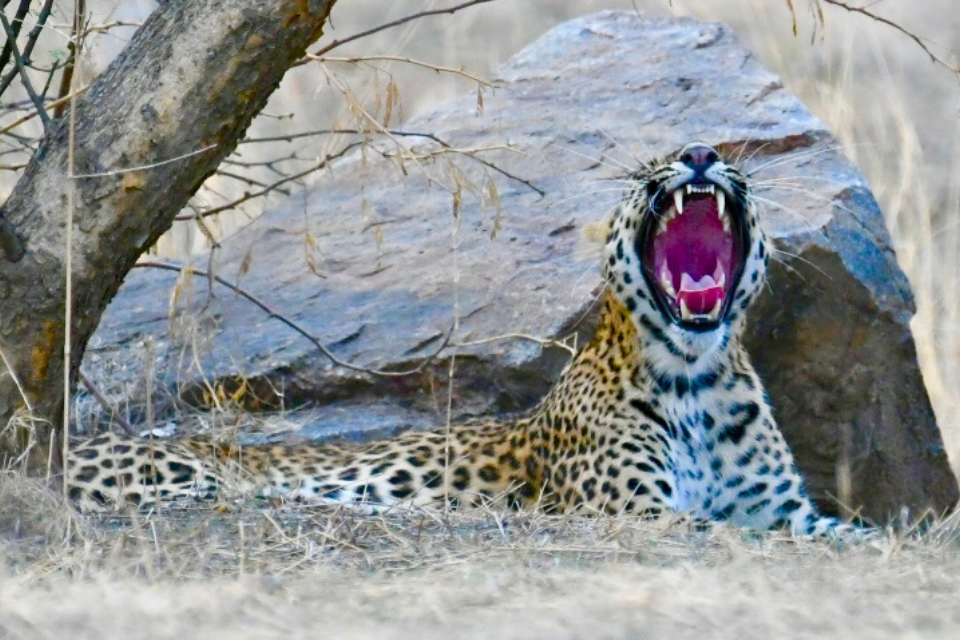
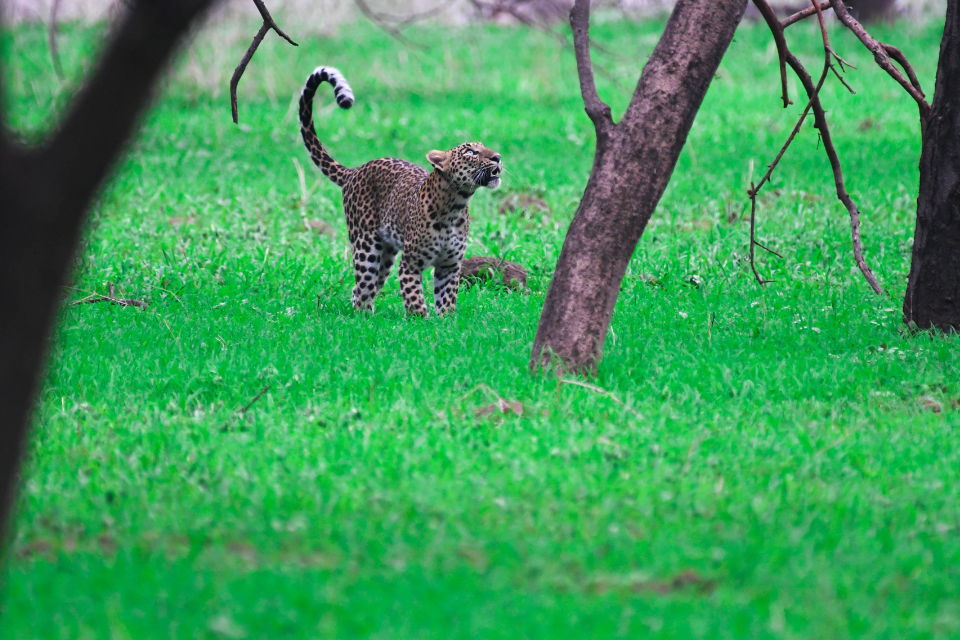
A Jhalana Panther Safari offers an experience unlike any other wildlife destination in India. While Ranthambore and Jim Corbett offer deep-forest isolation, Jhalana offers a paradox: a high-density leopard population thriving in the literal backyard of a metropolis of 4 million people. In this 2026 guide, we reveal the 5 amazing secrets of how these “urban ghosts” have rewritten the rules of survival.
Secret 1: The Light Pollution Advantage
In most forests, a leopard’s greatest ally is total darkness. However, the Jhalana Panther Safari reveals a fascinating biological shift. Because Jhalana is an “island forest” surrounded by urban lighting, the reserve is never truly dark.
Hunting by the City Glow
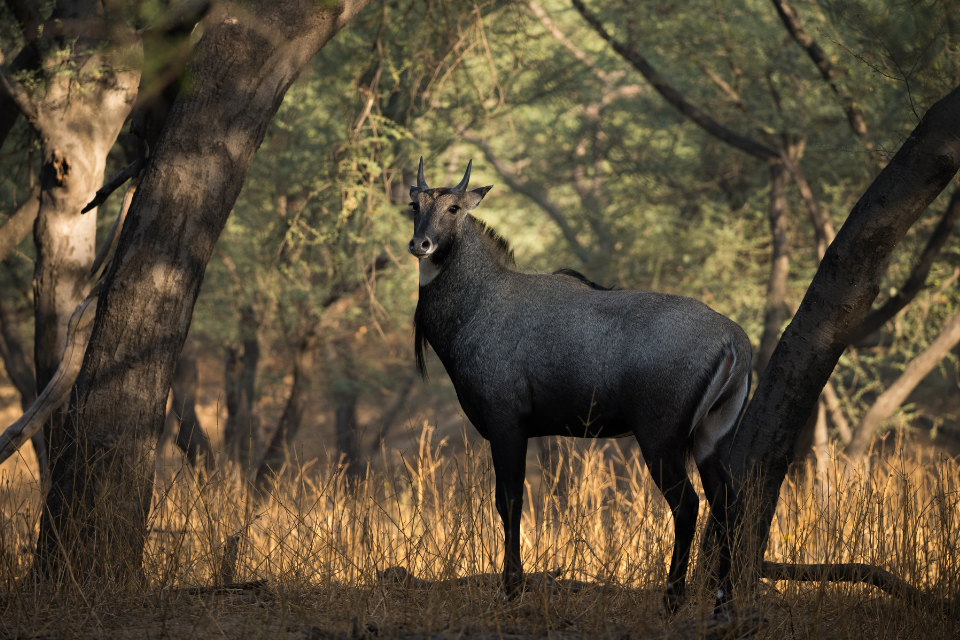
Biologists have noted that Jhalana’s leopards have adapted their nocturnal vision to account for the “sky-glow” of Jaipur. While forest leopards might wait for a cloudless moonlit night to hunt, Jhalana’s cats use the ambient light reflecting off the low-hanging clouds over the city to spot prey like Nilgai and Spotted Deer. This constant low-level illumination has made them more active during the “twilight” hours, increasing the chances of a sighting during your evening Jhalana Panther Safari.
Secret 2: The Soundtrack of Survival
If you take a safari in the Serengeti, the snap of a dry twig is enough to send a predator into hiding. But in the heart of Jaipur, the soundtrack is different.
Desensitization to Urban Noise
One of the most amazing aspects of a Jhalana Panther Safari is watching a leopard remain completely unfazed by the sound of a distant airplane taking off from Jaipur International Airport or the rhythmic ringing of temple bells from the nearby ridges. These leopards have undergone “auditory habituation.” They have learned to distinguish between “mechanical noise” (which is harmless) and “biological noise” (the alarm call of a monkey). This unique trait allows them to live closer to the forest fence than almost any other leopard population in Asia.
Secret 3: The “Fence-Line” Diet
The boundary wall of Jhalana isn’t just a physical barrier; it’s a dinner plate. This is perhaps the most controversial yet fascinating secret of the Jhalana Panther Safari.
The Interaction with Jaipur’s Periphery
Leopards are opportunistic hunters. While the core of the reserve provides plenty of natural prey, the “Neon Jungle” offers a different menu. At night, leopards are often seen patrolling the high stone walls of the reserve. Why? Because the city’s waste attracts stray dogs and pigs to the periphery. The leopards of Jhalana have mastered the art of “wall-walking,” occasionally leaping out to hunt in the suburban fringes before retreating into the safety of the rocks before the sun rises.
Secret 4: The Surreal Verticality of Jhalana
In the “Neon Jungle,” the territory isn’t just measured in acres; it’s measured in altitude.
The Apartment Backdrop
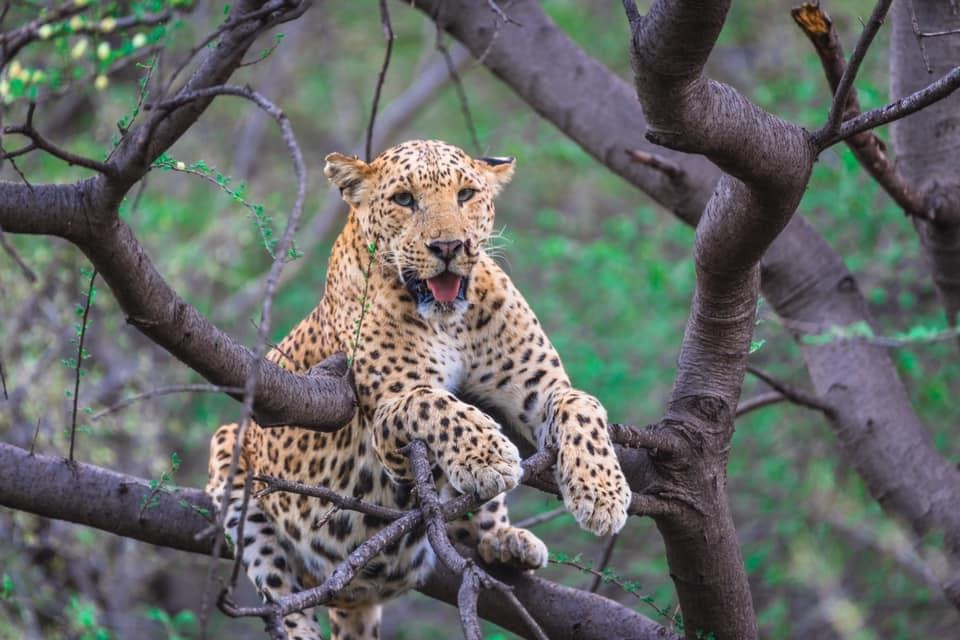
Photographers flock to a Jhalana Panther Safari for one specific shot: a leopard perched on a rocky outcrop with a multi-story luxury apartment building in the background. This verticality is a survival strategy. The leopards use the high ridges to look down into the city, monitoring human movement while remaining invisible. This “High-Ground” advantage is why Jhalana has one of the highest leopard densities in the world—they utilize the three-dimensional space of the hills better than any other big cat.
Secret 5: The 2026 Tech-Safari Adaptation
As we move through 2026, the Jhalana Panther Safari has integrated technology to protect this delicate urban balance.
Smart Fencing and Monitoring
To prevent human-wildlife conflict, the Rajasthan Forest Department has implemented AI-based “thermal tripwires” along the urban borders. These sensors alert rangers if a leopard moves too close to a residential gate. During your Jhalana Panther Safari, you might notice these subtle high-tech installations. They are the silent guardians that allow 40+ leopards to live peacefully alongside millions of people—a true “Neon Jungle” success story.
Photography Guide: Shooting the Urban Wild
Capturing the essence of the “Neon Jungle” requires a different mindset than traditional wildlife photography.
- The “Blue Hour” Magic: The best time to capture the urban-wild paradox is during the last 20 minutes of your evening Jhalana Panther Safari. This is when the sky turns deep blue, and the city lights begin to twinkle, providing a surreal bokeh behind a leopard’s silhouette.
- Wide-Angle Storytelling: Don’t just use a 600mm zoom. Use a 70-200mm lens to include the buildings or the city lights in the frame. This tells the story of the “Neon Jungle” better than a close-up of a face.
- Contrast Control: The bright city lights vs. the dark jungle floor can confuse your camera’s meter. Use “Spot Metering” on the leopard’s fur to ensure the animal is perfectly exposed, even if the city lights are slightly overexposed.
Why Jhalana is the Future of Conservation
The Jhalana Panther Safari isn’t just a tourist attraction; it’s a blueprint for the future. As cities expand, “island forests” like Jhalana will become the last refuges for big cats. By visiting, you are supporting a model where humans and apex predators don’t just “tolerate” each other—they coexist in a shared landscape of concrete and stone.
FAQ: Common Questions About the “Neon Jungle”
1. Is a Jhalana Panther Safari safe, given how close it is to the city?
A. Absolutely. The leopards of Jhalana are shy and avoid human contact. The safaris are conducted in specialized vehicles with expert guides who ensure a safe distance is maintained at all times.
2. Can I see leopards hunting at night?
A. Standard safaris end at sunset. However, the evening slots offer the best chance to see them beginning their “urban patrol” as the city lights come on.
3. Why do leopards choose to stay in Jhalana instead of moving to a bigger forest?
A. Jhalana offers the “Perfect Three”: abundant water, high prey density, and rocky caves for shelter. They have everything they need right here in Jaipur.
4. What is the best season for a Jhalana Panther Safari in 2026?
A. While Jhalana is open year-round, the winter months (October to March) offer the best lighting for photography and the most active animal behavior.
5. Do the city lights bother the animals?
A. Studies show that Jhalana’s leopards have become “light-adapted.” They don’t show the same stress levels to light as a remote forest leopard would.
6. How many leopards are currently in the “Neon Jungle”?
A. The population is estimated to be over 40 leopards, including famous individuals like Rana, Flora, and the legendary Bahubali.
7. Are there other animals in Jhalana?
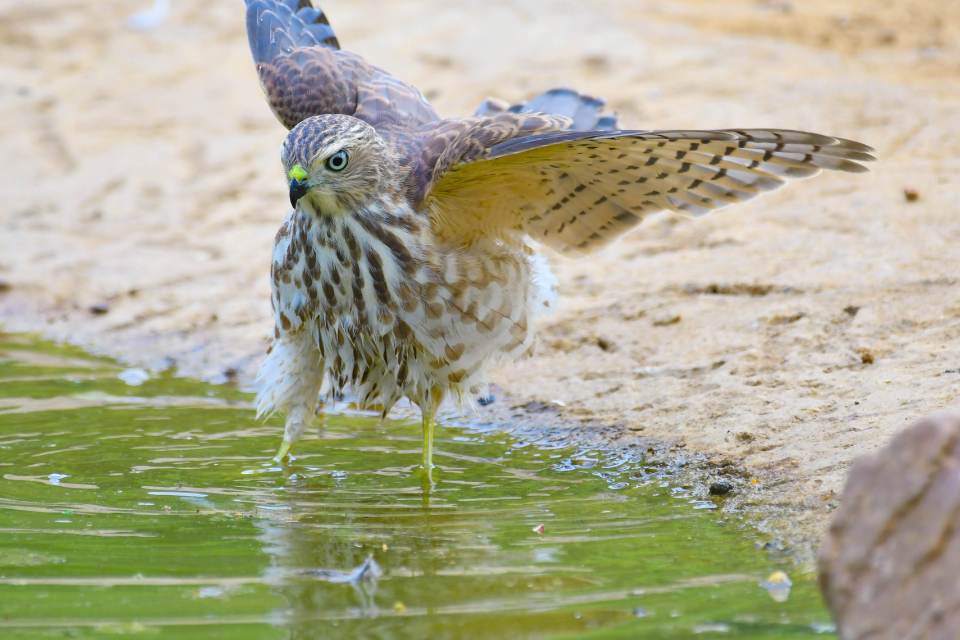
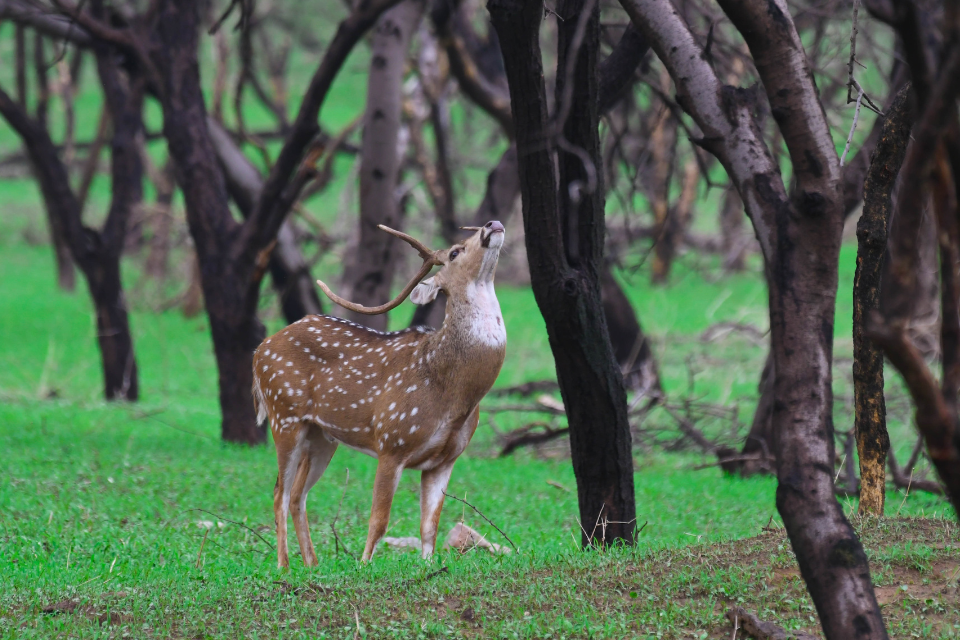
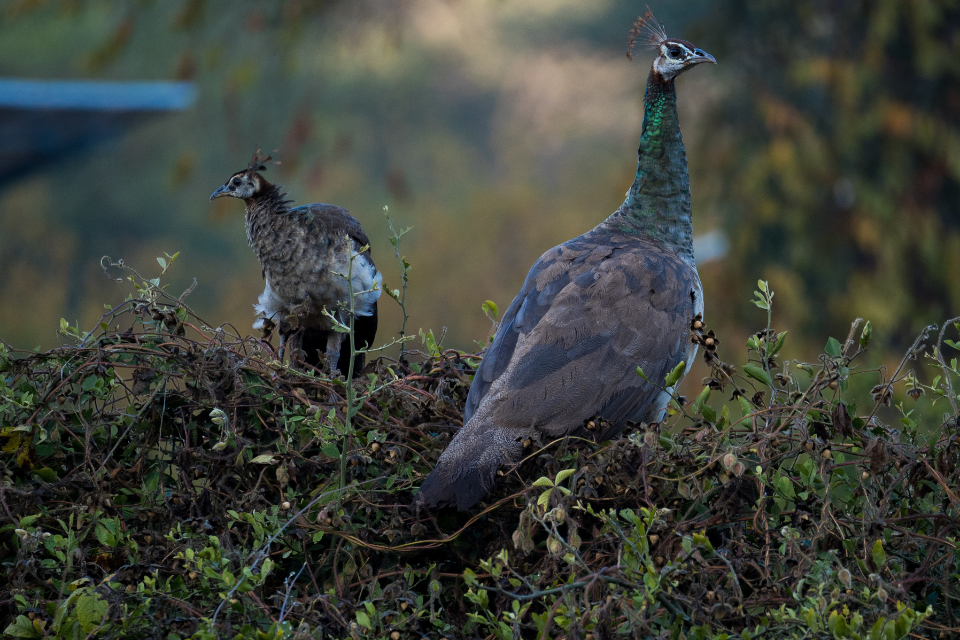
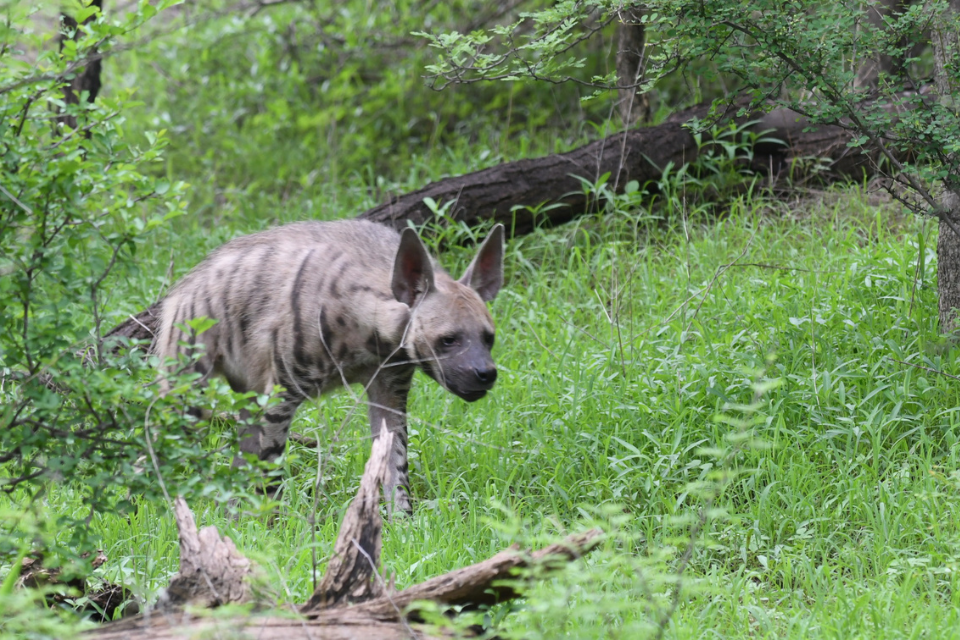
A. Yes! You can also spot Striped Hyenas, Desert Foxes, Nilgai, Spotted Deer, and over 100 species of birds.
8. Is Jhalana Panther Safari better than Ranthambore?
A. They are different. Ranthambore is for the Tiger and deep-forest scale. Jhalana is for guaranteed Leopard sightings and the unique “Urban Jungle” experience.
9. How do I book a slot for the 2026 season?
A. It is highly recommended to book at least 30–60 days in advance through the official website or authorized partners, as slots are limited to prevent overcrowding.
10. What should I wear on the safari?
A. Neutral colors (khaki, olive, brown) are best. Even in the “Neon Jungle,” you want to blend in as much as possible with the dry Aravalli landscape.
Conclusion: A Masterclass in Adaptation
The Jhalana Panther Safari is more than just a wildlife tour; it is a masterclass in adaptation. It proves that nature is resilient, provided we give it even a small “island” of respect. Seeing a leopard silhouette against the backdrop of a modern city is a humbling experience that reminds us that the wild isn’t something “out there”—it is right here, breathing alongside us in the Neon Jungle of Jaipur.
Important Disclaimer
To ensure your Jhalana Panther Safari is ethical and safe:
- Official Permitting: All safaris must be booked through the Rajasthan Forest Department portal or certified agents. Avoid “unofficial” guides promising off-track sightings.
- Wildlife Ethics: Never use flash photography. The leopards are adapted to city lights, but a sudden camera flash can startle and temporarily blind them.
- Zero Trace: Jhalana is a fragile ecosystem. Do not carry plastic or litter. What you take in, you must take out.
- Animal Right of Way: In the “Neon Jungle,” the cat is king. Always allow the animal to cross the path first and never block its movement with the gypsy.