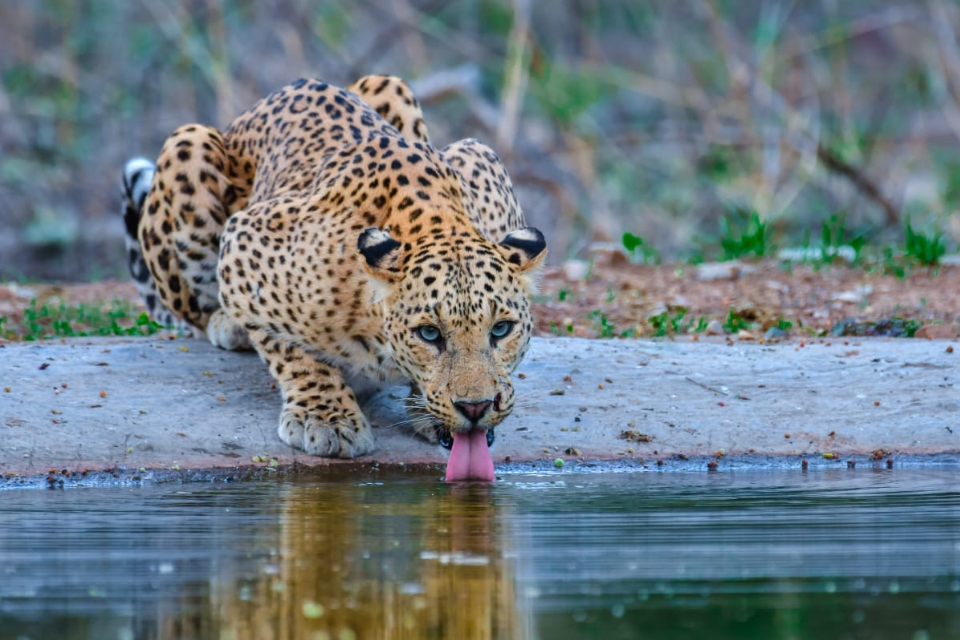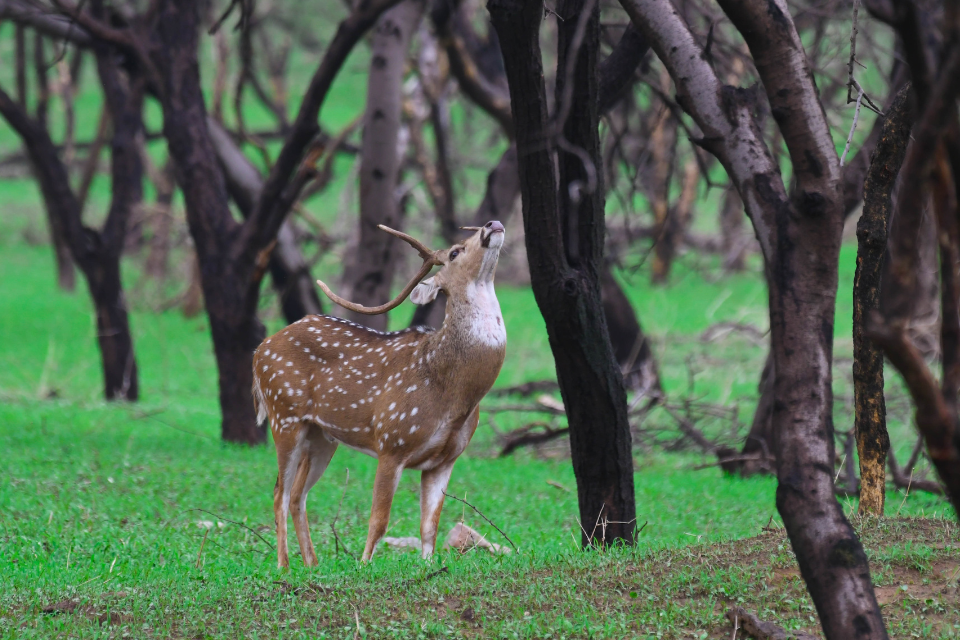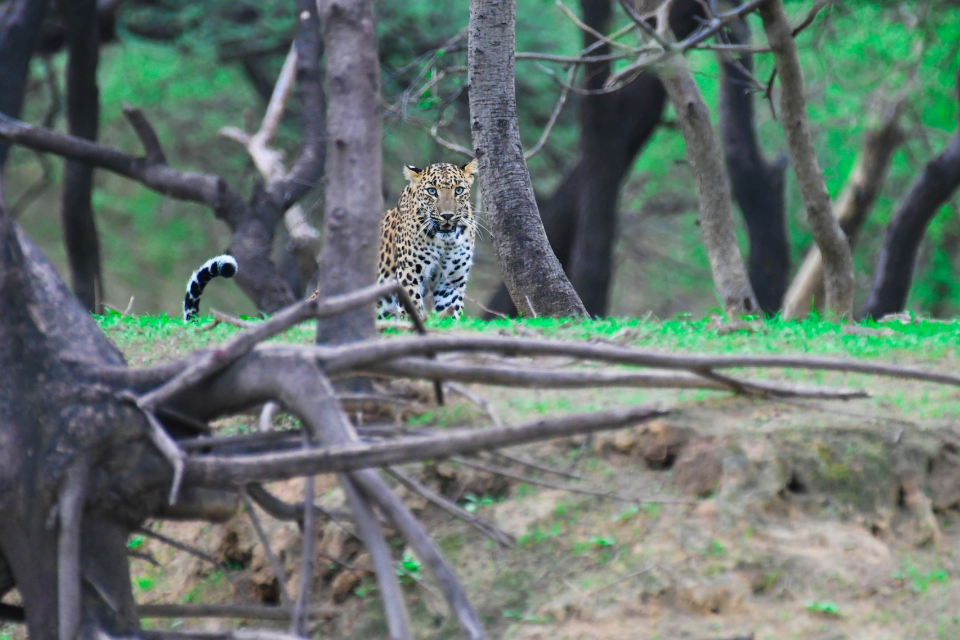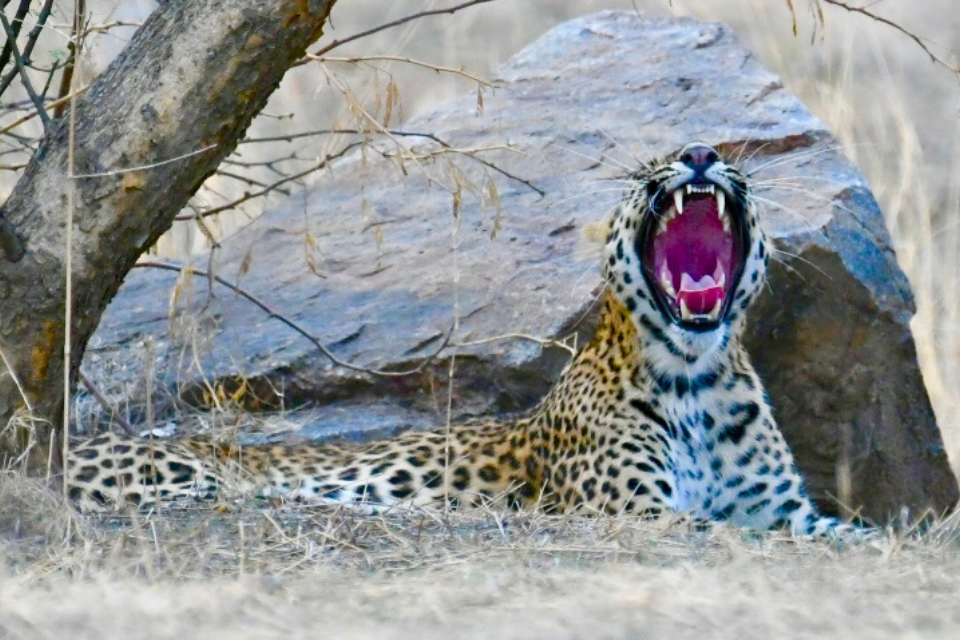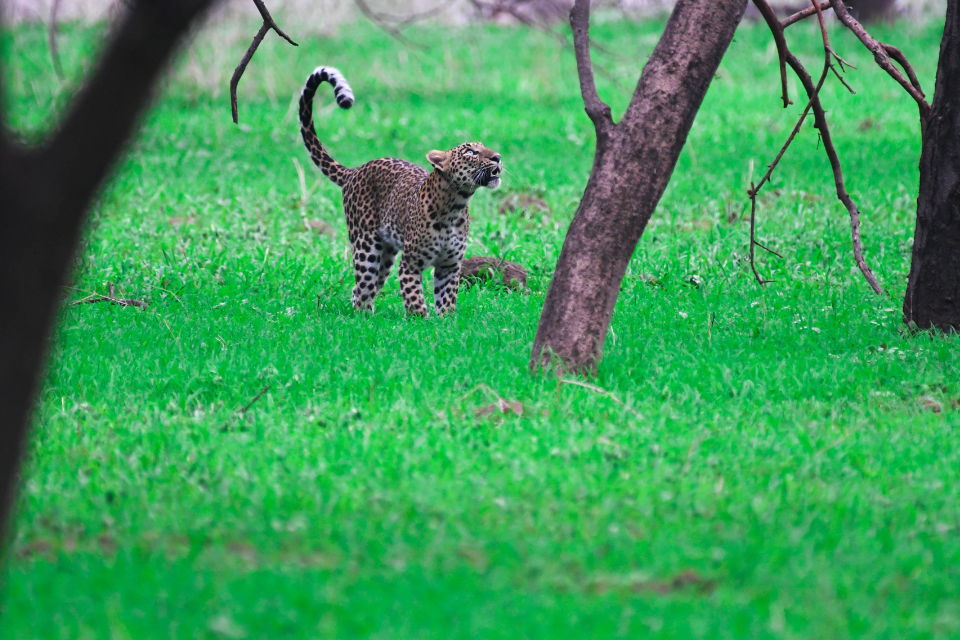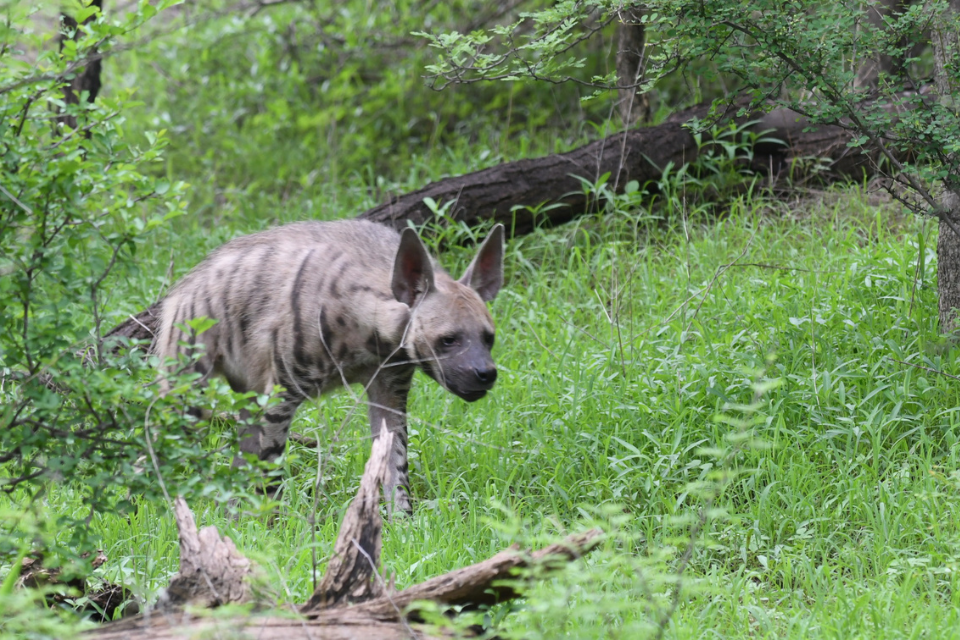
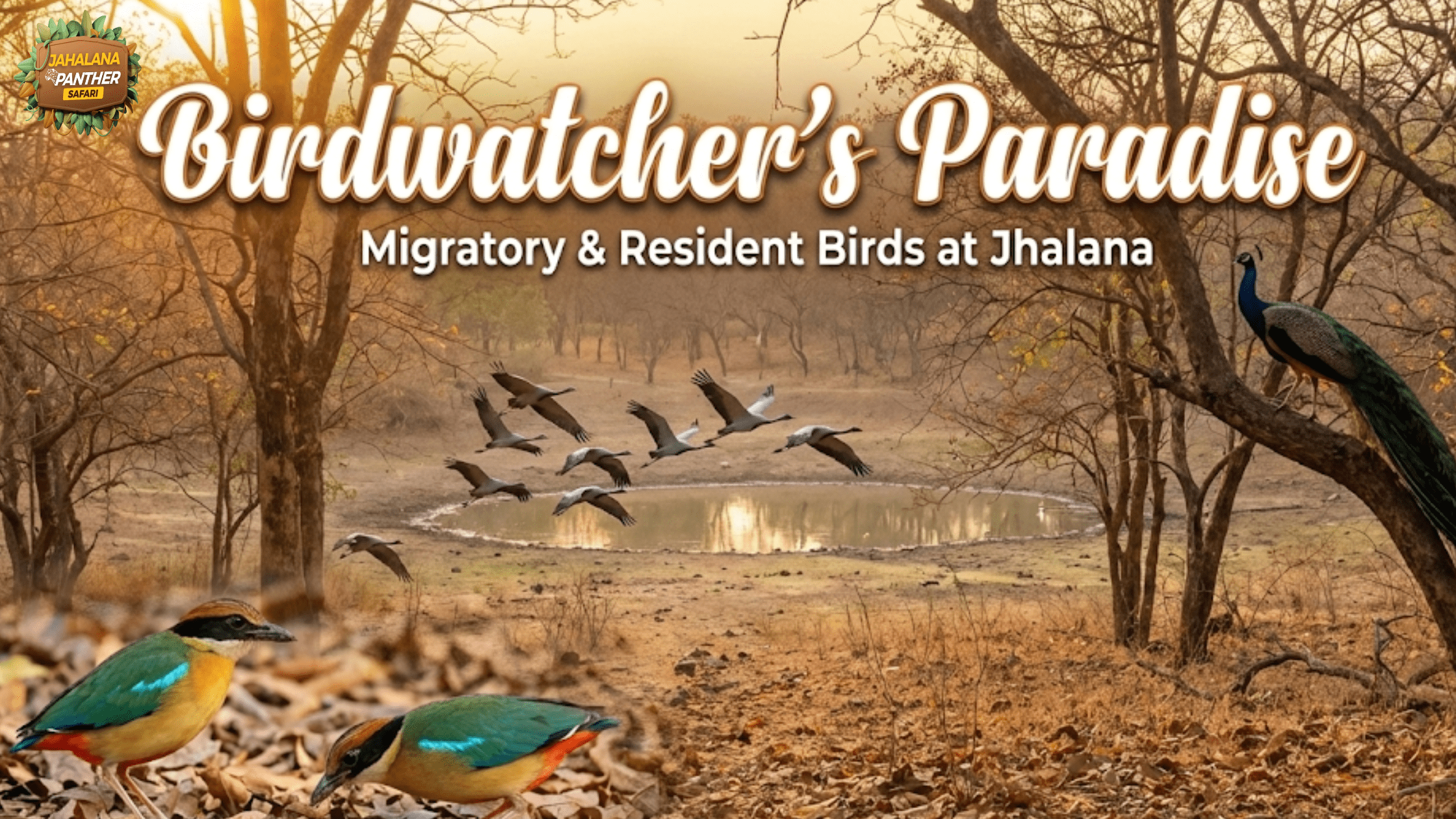
Migratory & Resident Birds at Jhalana, Nestled in the heart of the “Pink City” of Jaipur, the Jhalana Leopard Reserve is widely celebrated as India’s premier destination for leopard safaris. However, for those who care to look beyond the stealthy shadows of the apex predator, Jhalana reveals itself as a vibrant, bustling Birdwatcher’s Paradise.
Spanning over 23 sq km of dry deciduous scrub forest and rugged Aravalli hills, Jhalana is home to more than 200 avian species. From majestic raptors circling the thermal currents to tiny sunbirds flitting through the Acacia groves, the reserve offers a diverse ecosystem where resident birds thrive and exotic migratory guests arrive in a seasonal spectacle.
The Residents: Year-Round Avian Royalty
Jhalana’s resident birds are the heartbeat of the forest. Whether it is the break of dawn or the golden hour of sunset, these species provide the characteristic soundtrack to any safari.
The Masters of the Night: Owls of Jhalana
Jhalana is particularly famous for its healthy population of owls. Because the leopards of Jhalana are uniquely diurnal (active during the day), birders often get the chance to spot nocturnal birds in their daytime roosts.
- Indian Eagle Owl: Often found on rocky ridges, this large, formidable bird is a prize sighting.
- Spotted Owlet: These small, charismatic owls are frequently seen peering out from tree hollows or perched on old branches.
- Indian Scops Owl: A master of camouflage, these tiny owls blend perfectly with the bark of the Dhonk and Khejri trees.
The Colorful Charisma: Ground & Tree Dwellers
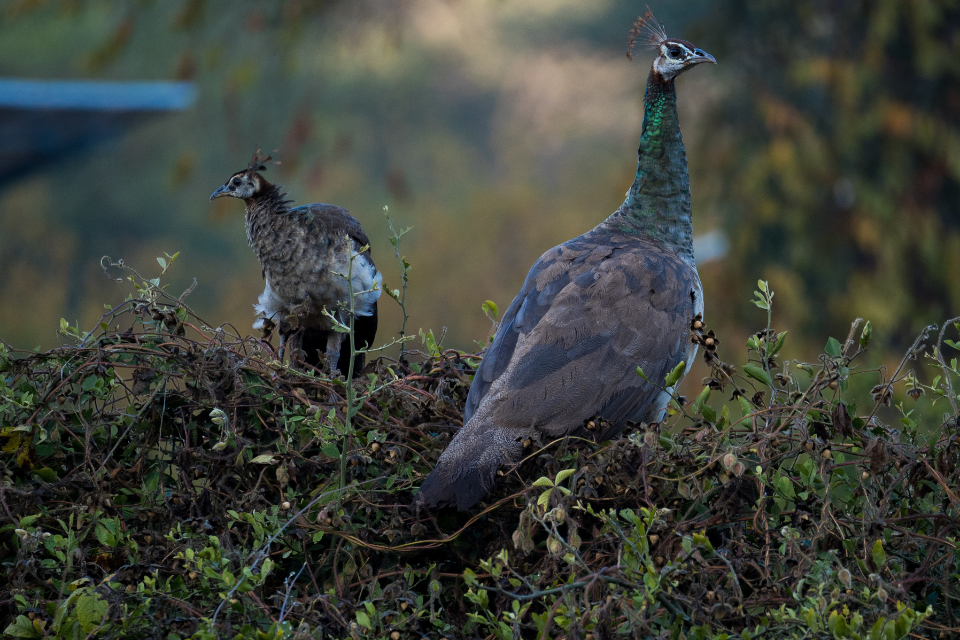
- Indian Peafowl: The national bird of India is omnipresent here. Their vibrant plumage and loud calls are a staple of the Jhalana landscape.
- Indian Grey Hornbill: Watch for these distinct birds gliding between fruit-bearing trees like the Jamun or Tendu.
- Indian Pitta: Often called the “six-colored bird,” this elusive resident is a summer breeding visitor that birders spend hours tracking through the undergrowth.
- Grey Francolin & Painted Spurfowl: These ground-dwelling birds are common sightings along the safari tracks, often scurrying into the scrub as a jeep approaches.
The Migrants: Winter Guests from Afar
As the temperatures dip across the northern hemisphere, Jhalana transforms into a winter sanctuary. From September to March, the reserve welcomes a variety of migratory birds traveling from as far as Siberia, Mongolia, and Europe.
Winter Visitors (October to March)
- Eurasian Roller: Distinguished by its striking turquoise and indigo wings, this winter visitor is a favorite for photographers.
- Common Chiffchaff: These tiny, active warblers can be seen (and heard) throughout the leafy canopy.
- Greater Short-toed Lark: These birds are often found in the more open, sandy patches of the reserve.
- Waterfowl & Waders: While Jhalana is primarily a dry forest, its waterholes—like Jhalana Pond and Mangarh Lake—attract wintering ducks such as the Northern Pintail, Northern Shoveler, and Common Teal.
Raptors: The Stealthy Hunters of the Sky
Jhalana’s topography of ridges and valleys creates ideal conditions for birds of prey. These raptors share the sky with the leopards that rule the ground.
- Crested Serpent Eagle: A frequent sighting, often seen perched high on a leafless branch scanning for reptiles.
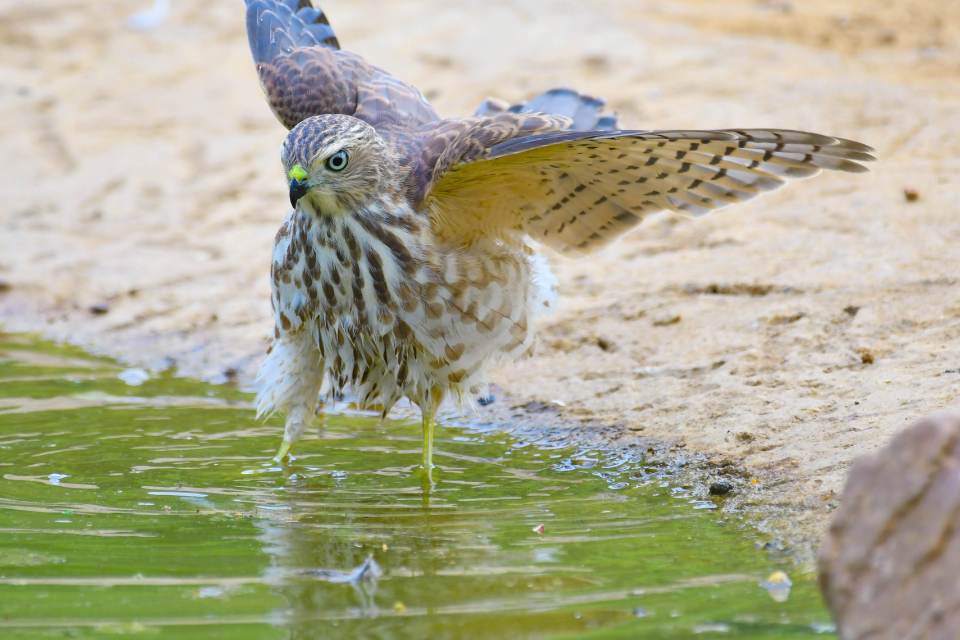
- Shikra: A small but fierce hawk that is a common resident of the reserve.
- Honey Buzzard & White-eyed Buzzard: These raptors are often seen circling above the hills in search of prey.
- Vultures: The reserve is home to the Egyptian Vulture and the critically endangered White-rumped Vulture, which play a vital role in the ecosystem’s health.
Top Birdwatching Spots in Jhalana
To maximize your sightings, focus on these specific micro-habitats within the reserve:
- Waterholes (Naila Lake, Mangarh Lake): These are the best spots for kingfishers, egrets, storks, and thirsty raptors.
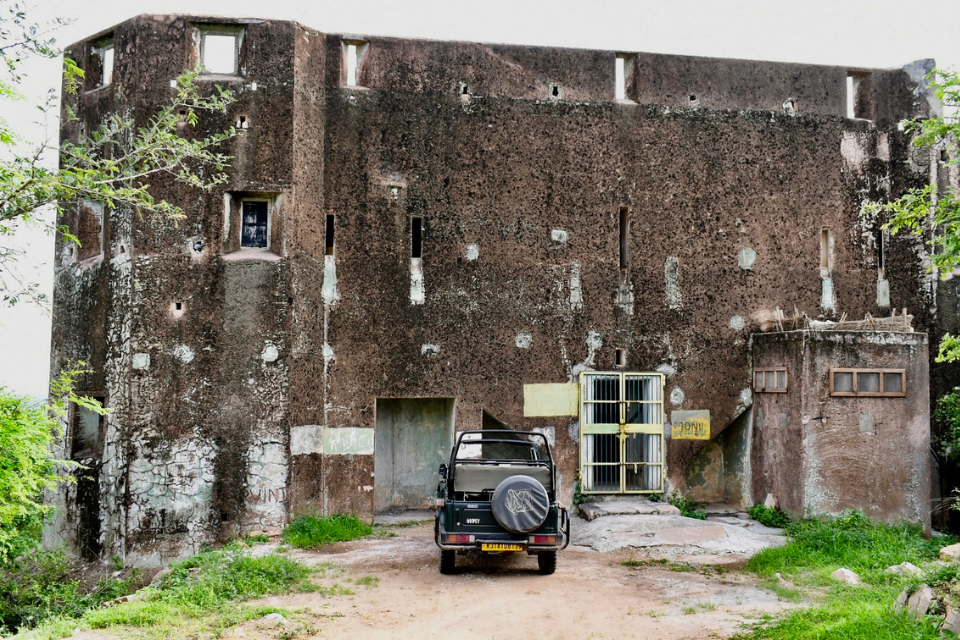
- Shikaar Audi (Royal Hunting Lodge): The surrounding rocky terrain is excellent for spotting owls and vultures.
- Dense Dhonk Forest Trails: These trails offer the best chances to see smaller resident birds like flycatchers, woodpeckers, and sunbirds.
Best Time for Birdwatching at Jhalana
- Peak Season (November to February): This is the ultimate window for birders. The weather is pleasant, and the resident population is joined by the full spectrum of winter migrants.
- Summer (March to June): While hot, this is the best time to see birds congregating around the few remaining water sources. It is also the time when the Indian Pitta and Paradise Flycatcher are most active.
- Monsoon (July to September): The forest turns lush emerald, and several resident species begin their breeding rituals.
Essential Tips for Birders
- Bring Binoculars: Many of the smaller species and raptors require magnification to appreciate their details.
- Hire a Naturalist: Jhalana’s safari guides are expertly trained in leopard behavior, but many are also exceptional birders who can identify calls and nesting sites.
- Be Patient: Unlike leopards, birds are everywhere, but they require a quiet, observant eye to spot.
- Safari Slots: Opt for the Morning Safari (6:15 AM – 8:45 AM) for the highest bird activity.
Experience Jhalana Beyond the Leopard
At Jhalana, every rustle in the leaves could be a leopard, but every flash of color in the trees is a story waiting to be told. Whether you are a professional ornithologist or a casual nature lover, the avian diversity of this urban wilderness will leave you spellbound.
Don’t just watch the ground; look to the skies.
❓ Frequently Asked Questions (FAQ)
Q1: How many bird species are found in Jhalana? A: There are over 200 species of birds recorded in Jhalana, including residents, winter migrants, and passage migrants.
Q2: Can I see flamingos at Jhalana? A: While Jhalana is a scrub forest, flamingos can be found at Sambhar Lake (approx. 80 km from Jaipur). Jhalana hosts forest birds, owls, and raptors.
Q3: Which is the rarest bird I can spot at Jhalana? A: Sightings of the Dusky Eagle Owl and the Indian Pitta (during summer) are highly prized by local birders.
Q4: Is Jhalana open for birdwatching during the monsoon? A: Yes, unlike many national parks, Jhalana remains open year-round, making it a great spot for monsoon birding.
Q5: What are the best zones for birding? A: All zones offer birding opportunities, but areas with waterholes (like Zone 1) and dense forest trails are generally more productive.
Q6: Do I need a special permit for bird photography? A: No, your standard safari permit covers birdwatching and photography. However, professional film equipment may require additional permissions.
Q7: Are there any nocturnal birds to see? A: Yes, Jhalana is famous for its owls (Spotted Owlet, Indian Eagle Owl, Scops Owl) and Nightjars, which are often spotted during the late evening safaris.
Q8: Can I do a walking birding tour? A: Walking is restricted in core leopard areas for safety, but guided nature walks are sometimes available in specifically designated “safe zones” on the periphery.
Disclaimer
Wildlife sightings, including birds, are subject to nature and seasonal cycles. While Jhalana has a high density of avian life, we cannot guarantee specific species on every safari. Always follow the forest department guidelines and maintain a respectful distance from the wildlife.