Jhalana Safari for Beginners
So, you are planning a trip to the Pink City. You have the Amber Fort on your list, a sunset at Nahargarh, and perhaps a photo session at Hawa Mahal. But then, you hear a whisper about something else—a hidden forest right inside the city where wild leopards roam free. This is the Jhalana Safari for Beginners Guide.
Welcome to Jhalana Leopard Reserve.
If you are reading this, chances are this is your first time planning a Jhalana Safari. You probably have a hundred questions: Is it safe? Will I actually see a leopard? How do I book a jeep? What should I wear?
Don’t worry. We have all been there. Jhalana is unique because it isn’t a massive, intimidating national park miles away from civilization; it is an “Urban Jungle” that is surprisingly accessible yet wildly thrilling.
This guide is your roadmap. We have compiled absolutely everything a first-timer needs to know to navigate the Jhalana Safari experience like a pro.
Part 1: What Exactly is Jhalana? (And Why You Should Care)
Before we get into the logistics, let’s set the scene.
Jhalana Leopard Reserve is India’s first dedicated Leopard Reserve. Spanning roughly 20 square kilometers, it sits snugly in the Aravalli hills, bordering the Malviya Nagar industrial area of Jaipur.
For a beginner, the world of Indian wildlife can be confusing. You have Ranthambore for Tigers, Gir for Lions, and Kaziranga for Rhinos. So, where does Jhalana fit in?
The “Leopard Capital” Difference
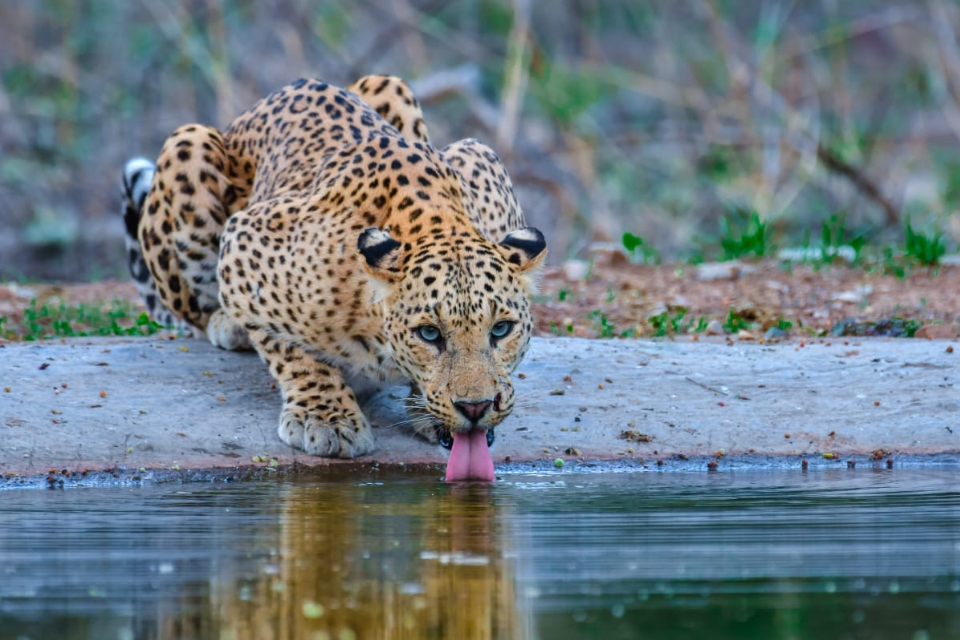
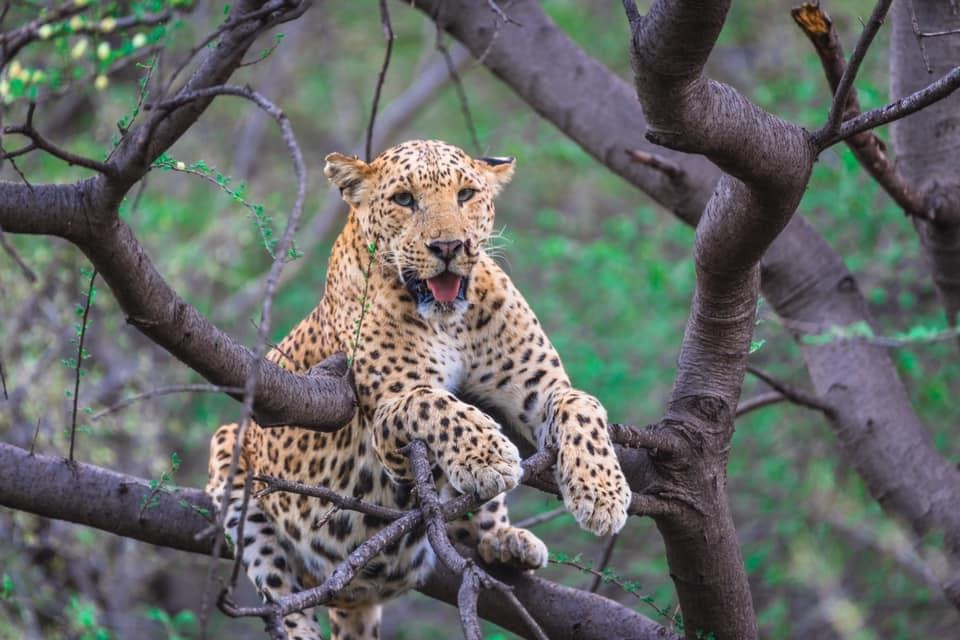
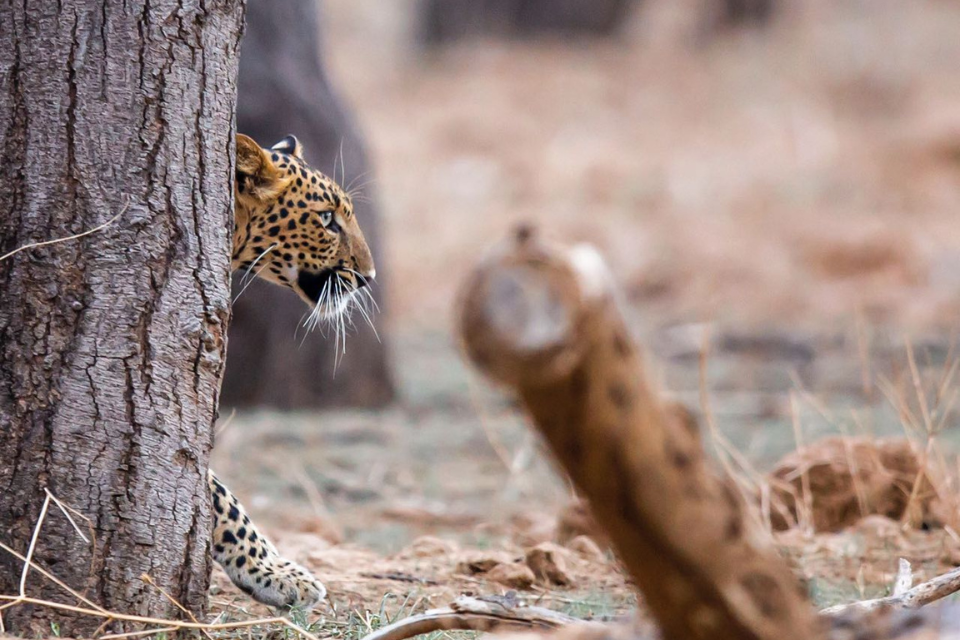
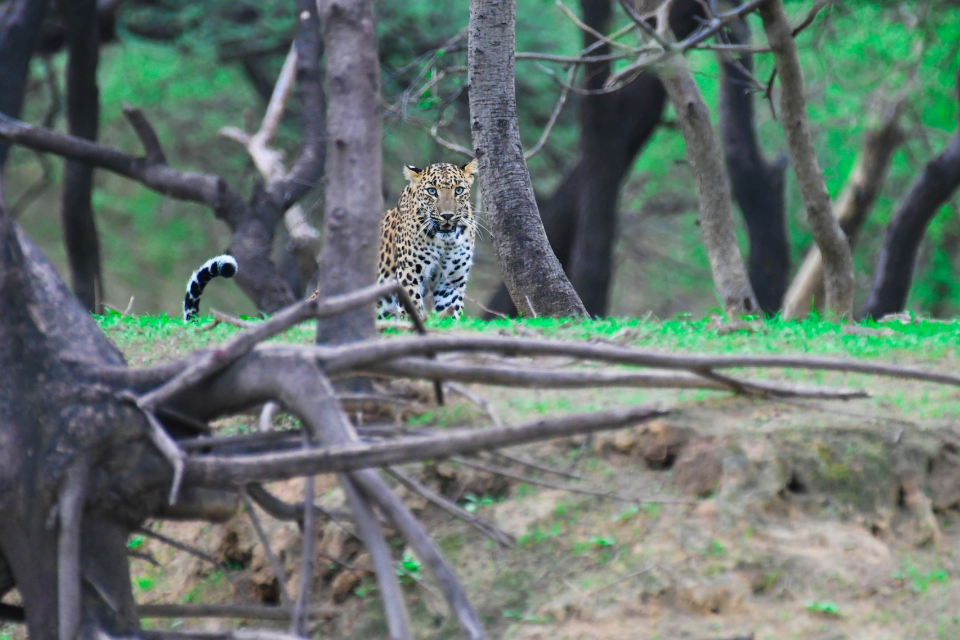
In most big jungles, leopards are the “underdogs.” They are shy, elusive, and hide in the shadows to avoid tigers. But in Jhalana, there are no tigers. Here, the Leopard is King.
- High Density: Jhalana has one of the highest densities of leopards in the world relative to its size.
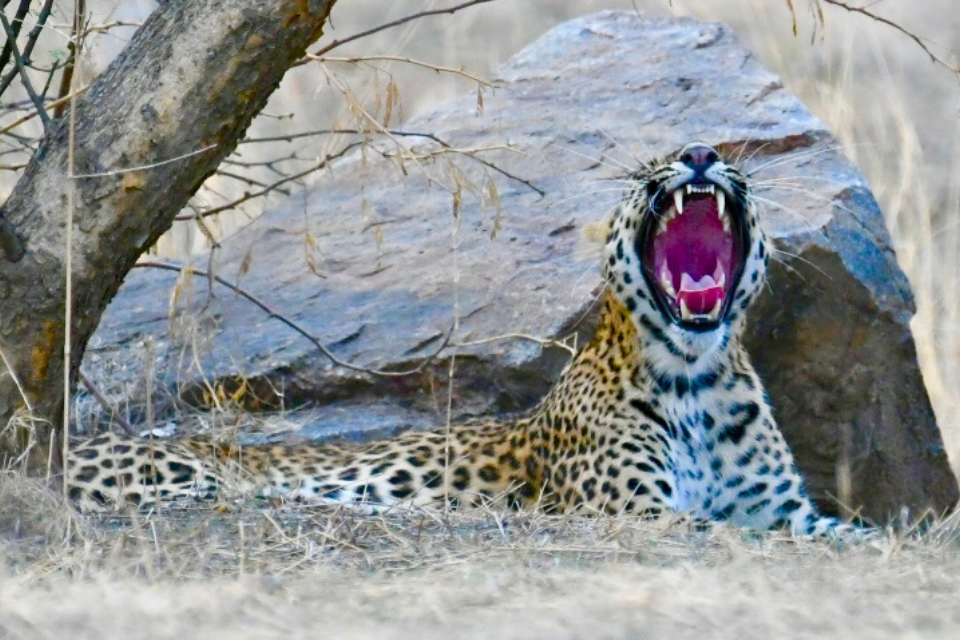
- Bold Behavior: Because they are the apex predators here, they are not shy. They walk on the tracks, sleep on rocks in broad daylight, and are generally very tolerant of safari vehicles.
- Accessibility: You can land at Jaipur Airport and be at the safari gate in 15 minutes. No other wildlife reserve in India offers this level of convenience.
The Verdict: If you want a high probability of seeing a big cat without spending days traveling to a remote forest, Jhalana is the perfect starting point for your wildlife journey.
Part 2: Planning Your Trip – The Logistics
A successful safari starts long before you get into the jeep. Here is the step-by-step planning process.
- When to Visit?
Jhalana is open 365 days a year. Yes, even in the monsoon! However, the experience changes with the seasons.
- The Winter Wonderland (Nov – Feb):
- Pros: The weather is beautiful. You will need jackets for the morning drive (it gets down to 5°C!), but the afternoon sun is lovely. Leopards love sunbathing on the rocks during these months.
- Cons: It is the peak tourist season, so tickets sell out very fast.
- The Summer Heat (Mar – June):
- Pros: This is the best time for sightings. As the natural water sources in the hills dry up, leopards are forced to come down to the man-made waterholes in the valley. Sightings are frequent and predictable.
- Cons: It is hot. Temperatures can hit 40°C+. You need to be prepared for the heat.
- The Monsoon Magic (July – Oct):
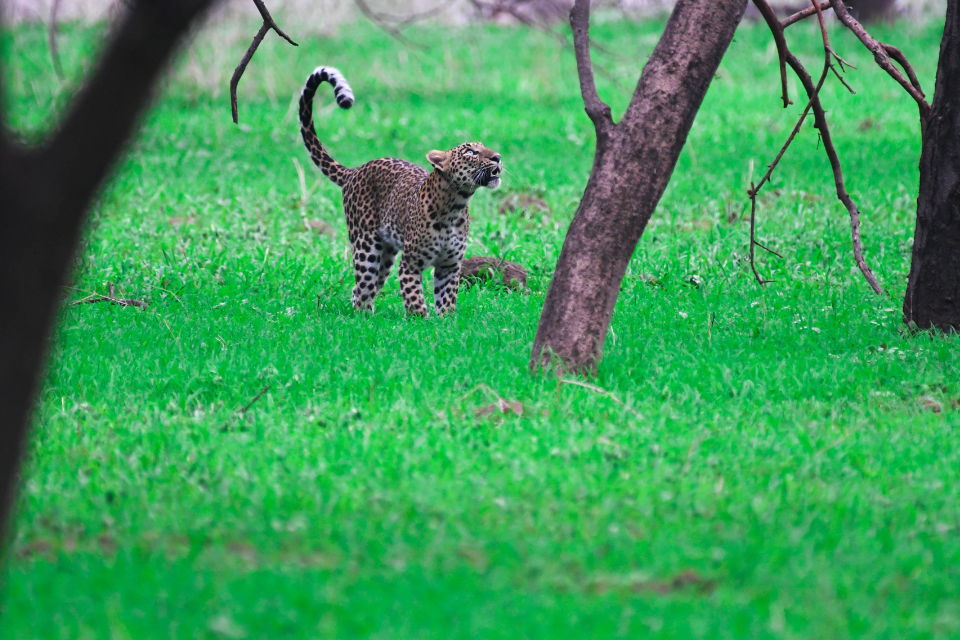
- Pros: The forest turns lush green. It’s a photographer’s delight for landscapes. The air is clean and dust-free.
- Cons: Dense vegetation can make spotting camouflaged cats a bit harder (but more rewarding).
- Choosing Your Safari Slot
There are two shifts every day: Morning and Evening.
- Morning Safari: Starts at sunrise. Great for hearing the jungle wake up. Tracks are fresh, showing pugmarks from the night before.
- Evening Safari: Ends at sunset. Predators often start moving as the day cools down. The lighting during the “Golden Hour” (the last hour of sunlight) is magical for photos.
> Beginner Tip: If you can only do one, check the recent sighting reports. However, both slots are equally good statistically.
- The Vehicle: Gypsy is the Way
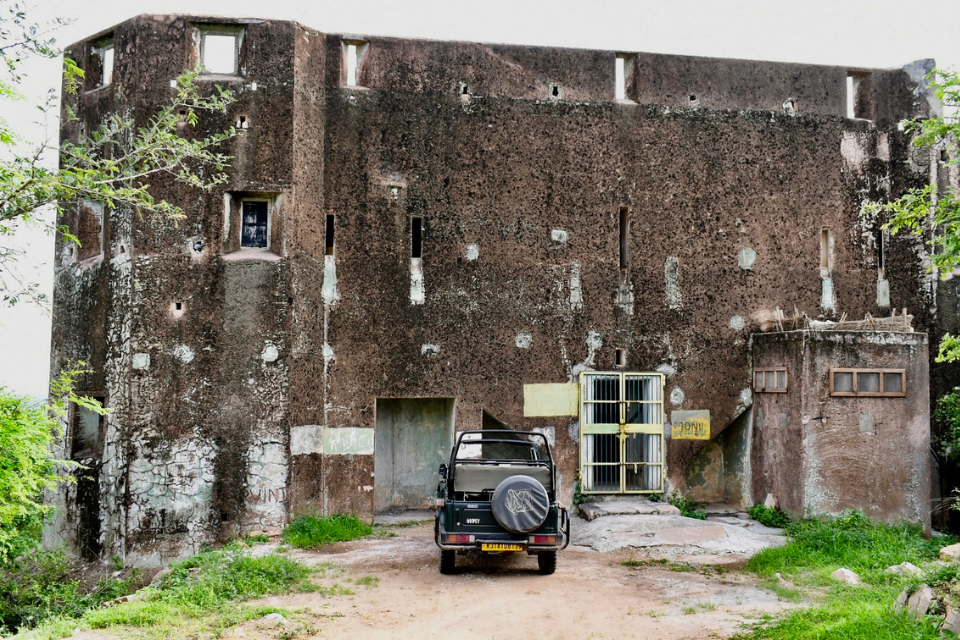
You cannot take your private car inside. You must book a Maruti Gypsy (an open-top 4×4).
- Shared Seat: You pay for one seat and share the vehicle with 5 other strangers. Good for solo travelers on a budget.
- Full Gypsy: You book the whole vehicle. We highly recommend this. It gives you privacy, space for your camera bags, and most importantly, control. If you want to stop and watch a bird for 10 minutes, you can. In a shared jeep, you have to go with the group consensus.
Part 3: The Booking Process (Don’t Mess This Up!)
This is where most first-timers make mistakes. Jhalana is small, and the government restricts the number of vehicles allowed inside to prevent overcrowding.
- Book in Advance: We cannot stress this enough. Weekend slots often sell out 2-3 weeks in advance. Do not show up at the gate expecting to get a ticket.
- ID Proof is Crucial: When booking, you must provide a valid ID (Aadhar/Passport/Driving License). You must carry this exact original ID on the day of the safari. If you forget it, the forest guards will not let you in, and there are no refunds.
- Foreign Nationals: You will need your passport details for booking.
> Pro-Tip: Book through a specialized agency (like ours). We monitor the quota system daily and can often help secure permits or navigate the complex government portal for you.
Part 4: What to Pack and Wear
You don’t need to buy a whole new wardrobe, but “dressing the part” helps.
The Dress Code: Blend In
- Colors: Wear Earth tones—Beige, Brown, Khaki, Olive Green.
- Avoid: Bright Red, Neon, White, or Pink. These colors stand out sharply against the forest background and act as a warning signal to animals, scaring them away before you even see them.
The Packing List
- Sun Protection: Hat, sunglasses, and sunscreen (even in winter). The gypsy has no roof.
- Dust Protection: A scarf, buff, or mask. The trails are sandy and dusty.
- Winter Layers: If visiting in Dec/Jan, bring gloves and a heavy jacket. The wind chill in an open vehicle is real.
- Binoculars: Highly recommended! While leopards come close, spotting birds or a distant hyena is much better with binoculars.
- Camera: Whether it’s a DSLR or just a smartphone, have it ready.
- Water Bottle: Stay hydrated. (Note: No food is allowed inside).
Part 5: Inside the Jungle – What to Expect
So, you have your ticket, you are in the gypsy, and you have passed the gate. What happens now?
The Terrain
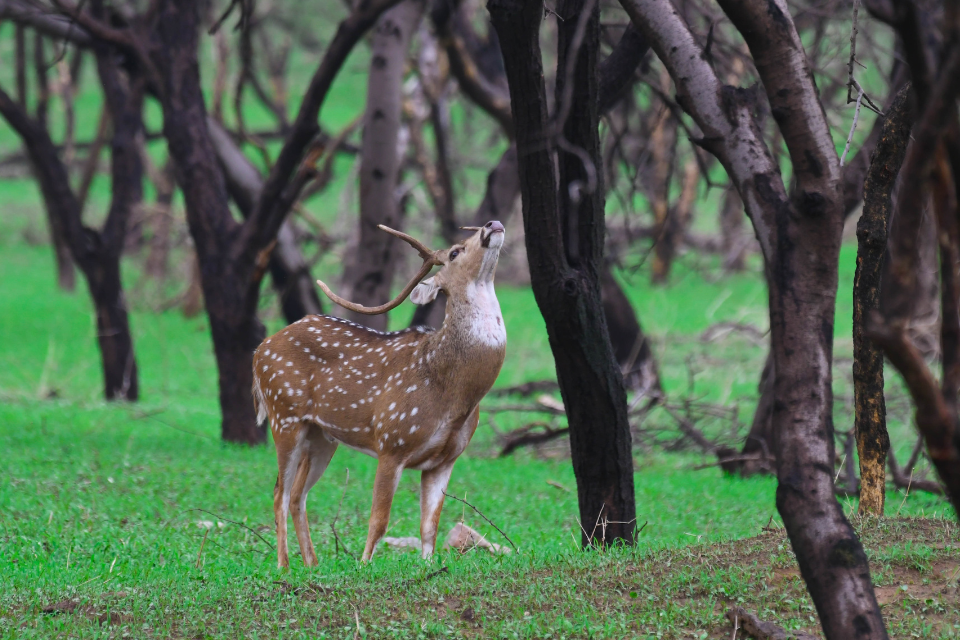
Jhalana is a dry deciduous forest. You will drive through narrow valleys surrounded by the Aravalli hills. The dominant tree is the ‘Dhok’ tree, which stays leafless for much of the year, improving visibility.
The Tracking Game
Your driver and guide are experts. They don’t just drive aimlessly; they track.
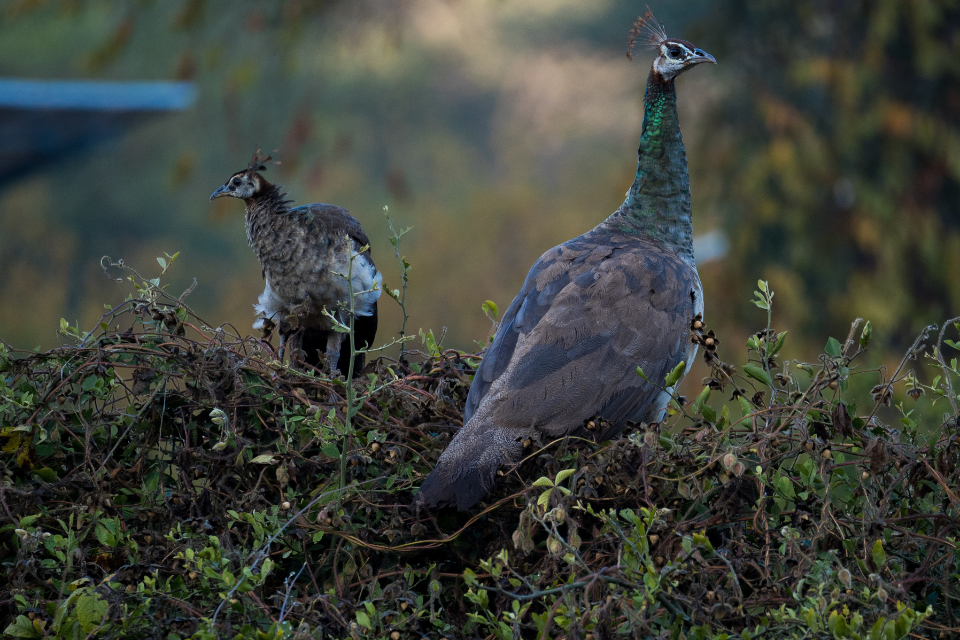
- Alarm Calls: They will listen for the call of a Langur monkey or a Peacock. These animals shout to warn others when a predator is nearby.
- Pugmarks: They look for fresh footprints in the sand.
- The Wait: Sometimes, you park near a waterhole and wait in silence. This requires patience.
The Sighting Etiquette
When you see a leopard:
- Stay Seated: Never, ever stand up or step out of the vehicle. The animals see the vehicle as a single large object. If you break that silhouette by standing up, they recognize you as a human and may flee or attack.
- Silence: Whisper. Do not shout “Look!” Loud noises stress the animals.
- No Flash: Turn off your camera flash.
Part 6: Beyond the Leopard
While you are there for the big cat, don’t ignore the rest of the ecosystem. A safari is about the jungle, not just the apex predator.
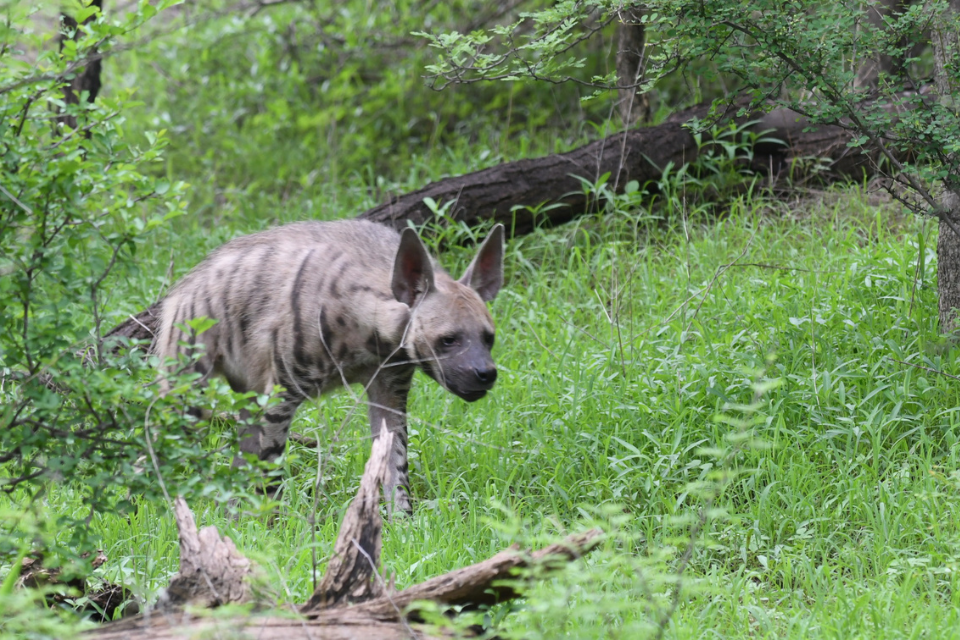
- Striped Hyena: Jhalana is one of the best places in India to see them. They are fascinating, prehistoric-looking creatures.
- Desert Fox: Keep an eye on the boundary walls; these small foxes are often seen trotting there.
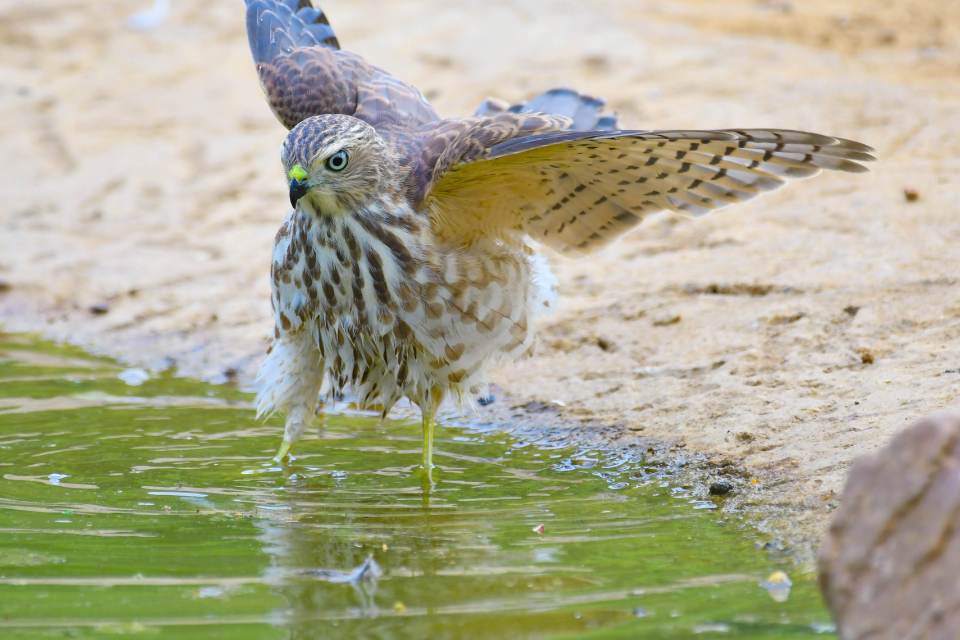
- Birds: Look for the Spotted Owlet peeking out of tree hollows, or the Indian Pitta flashing its nine colors.
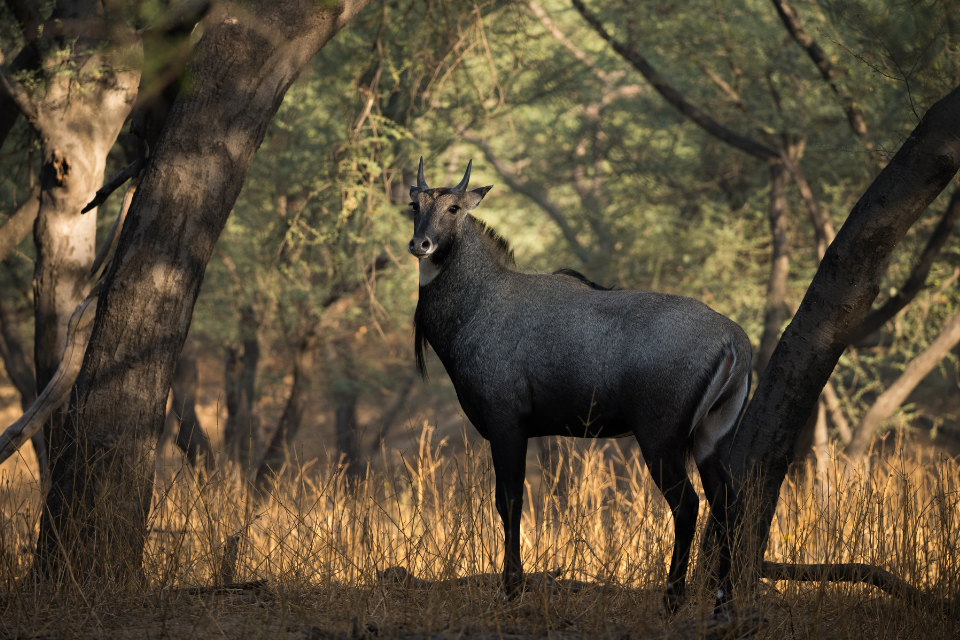
- Blue Bulls (Nilgai): You will see these large antelopes everywhere. They are the primary food source for the leopards.
Part 7: Frequently Asked Questions (FAQ) for Beginners
- Is it safe for children?
A. Yes, Jhalana is very safe. The leopards are habituated to vehicles and are not aggressive toward tourists in jeeps. However, ensure your children can remain seated and relatively quiet. - How long does the safari last?
A. The ride lasts approximately 2.5 to 3 hours. It is the perfect duration—long enough to explore, but short enough that you don’t get exhausted. - Are there toilets inside the park?
A. There are washrooms at the entry gate and usually at the “Shikar Audhi” rest point inside the park. It is best to use the washroom at the gate before you start. - Can I bring snacks?
A. No. Food is strictly prohibited to prevent littering and to stop animals from developing a taste for human food. You can bring water. - What happens if we don’t see a leopard?
A. Wildlife sightings are never 100% guaranteed. However, Jhalana has a very high success rate. If you miss it on one drive, we recommend booking two drives (one morning, one evening) to maximize your chances. - Can I take photos with my phone?
A. Yes! Leopards in Jhalana often come quite close (within 10-20 feet), so you can get decent shots with a modern smartphone. - Is there a mobile network inside?
A. Network coverage is patchy. In some high spots (Zone 2), you might get a signal, but in the valleys, it is usually weak. Take it as a chance to disconnect! - How far is the park from the city center?
A. It is incredibly central. It is about 6 km from the Airport and roughly 10-12 km from the main walled city (Hawa Mahal area). - Can we go in our own car?
A. No. Private vehicles are not allowed. You must transfer into the registered Safari Gypsy at the gate. - What is the cancellation policy?
A. Permits are issued by the government and are generally non-refundable and non-transferable.
Conclusion: Your Adventure Awaits
Jhalana is the perfect introduction to the wild. It offers the thrill of the chase, the beauty of the Aravallis, and the convenience of a city tour. There is nothing quite like the feeling of locking eyes with a wild leopard for the first time—it is a primal, electric connection that stays with you forever.
Don’t let the logistics overwhelm you. The key is simple: Plan ahead, book early, and respect the jungle.
So, are you ready to trade the honking cars for the calling peacocks? The Leopard Kingdom is waiting for you.
Disclaimer
This blog is intended for informational purposes for first-time visitors. Safari rules, gate timings, and ticket prices are subject to change by the Rajasthan Forest Department. We act as a booking facilitator to provide a seamless experience. While Jhalana has a high density of leopards, sightings are a natural occurrence and cannot be guaranteed. We encourage all guests to practice responsible tourism—leave nothing but footprints, take nothing but memories.