- December 17, 2025
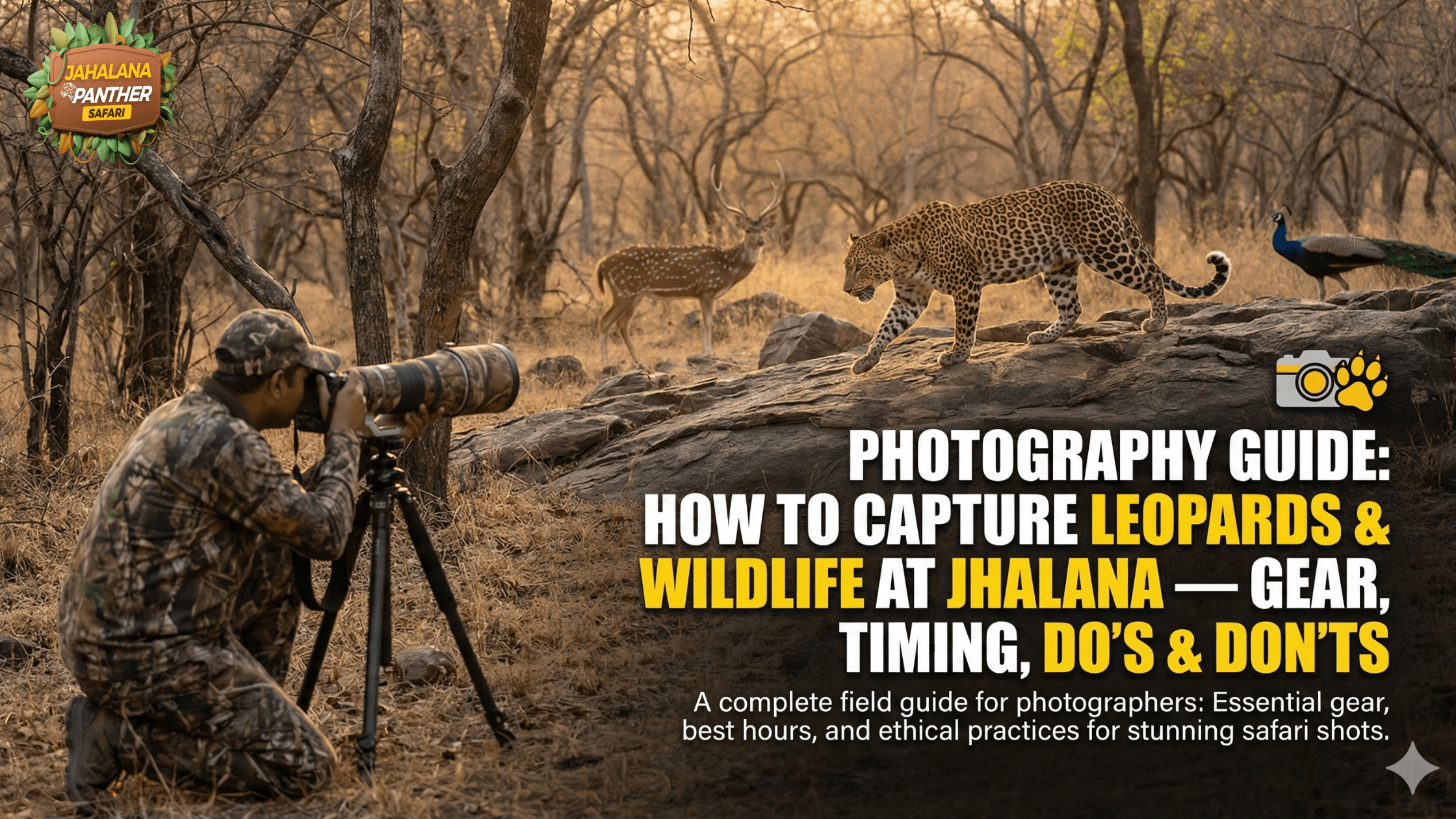
Photography Guide: How to Capture Leopards & Wildlife at Jhalana — Gear, Timing, Do’s & Don’ts
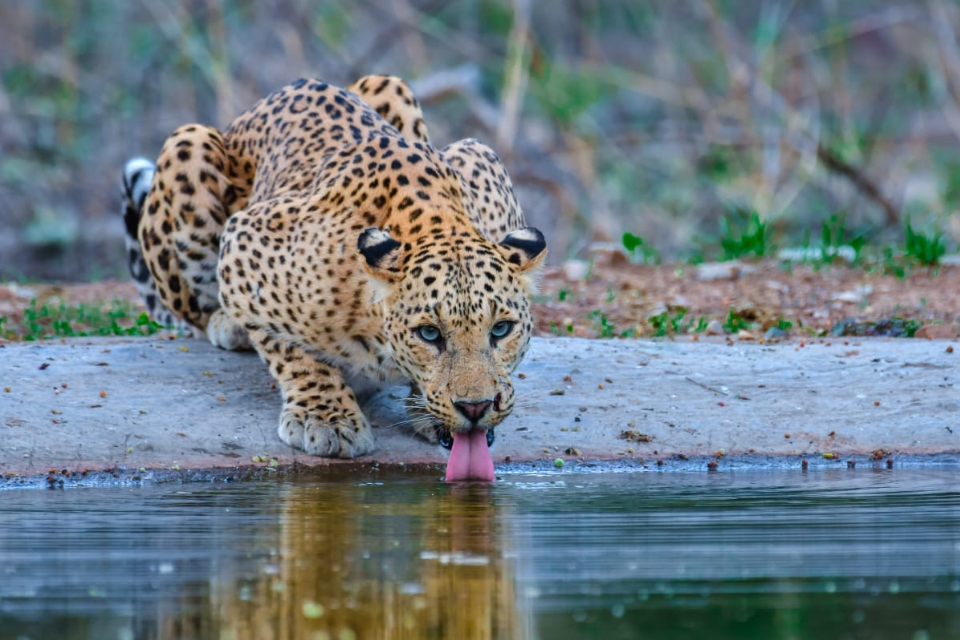
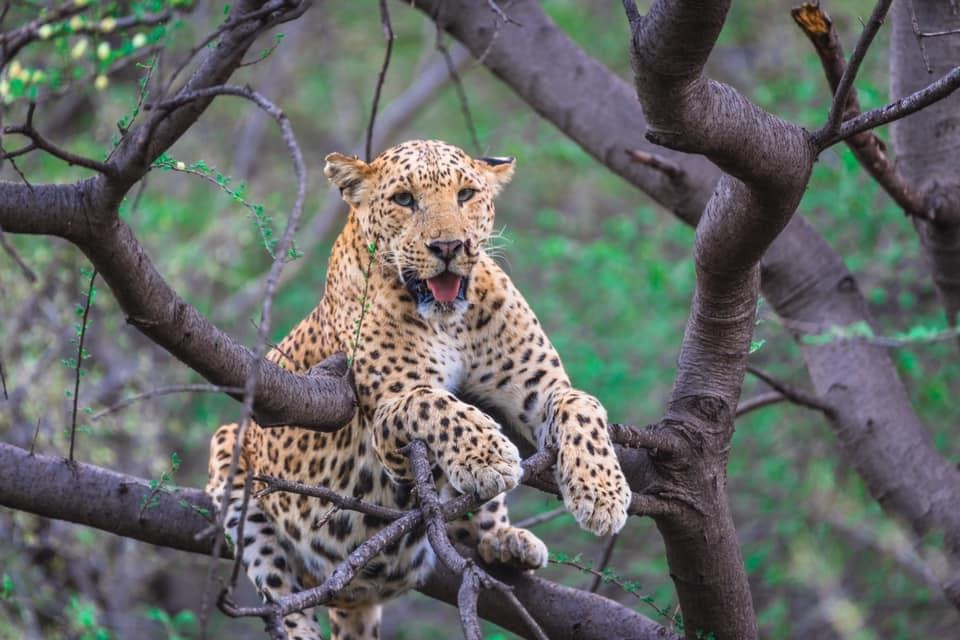
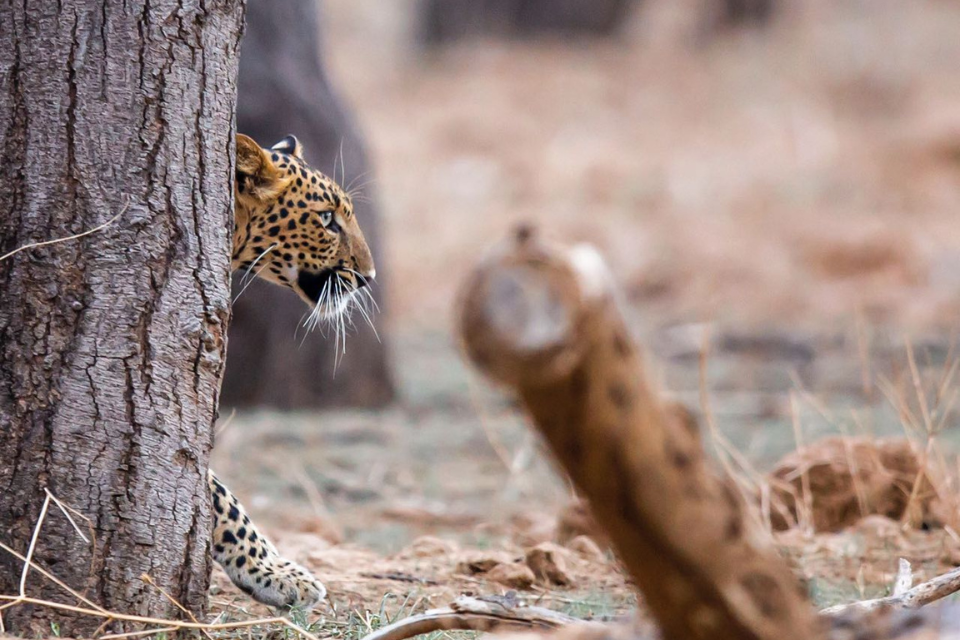
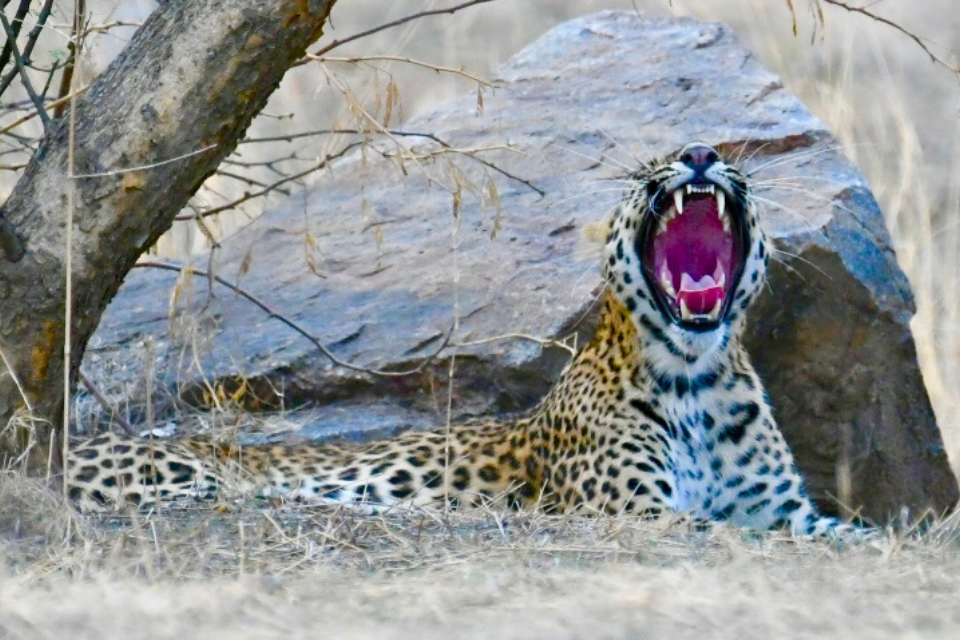
Jhalana Leopard Reserve in Jaipur is not just a forest; it is a photographer’s arena. Unlike the sprawling tiger reserves of Central India, Jhalana is compact, rugged, and boasts the highest density of leopards in the country. Here, the elusive “ghost of the forest” is often seen lounging on ancient Aravalli rocks or walking along the Shikaar Audi trail.
However, capturing a high-quality image of a leopard in its natural habitat requires more than just luck. It demands the right gear, an understanding of light, and a deep respect for the animal’s space. This guide is your ultimate companion for planning a photography-focused safari at Jhalana.
- The Essential Photography Gear for Jhalana
Jhalana’s landscape is a mix of dry deciduous forest, thorny scrub, and rocky outcrops. The proximity of the leopards can vary from a distant ridge to just a few meters from your Gypsy.
Camera Body
- DSLR or Mirrorless: A body with a high burst rate (FPS) and excellent high-ISO performance is critical. Leopards are most active during the “blue hour” or in deep shade, where light is scarce.
- Dual Body Strategy: If possible, carry two bodies—one with a long telephoto lens and another with a medium zoom. This prevents lens changes in Jhalana’s notorious dust.
Lenses: The Reach and the Story
- The Workhorse (200-600mm or 100-400mm): Most leopard sightings occur at a distance where a 400mm+ reach is necessary for tight portraits.
- The Low-Light Specialist (70-200mm f/2.8): Perfect for when a leopard approaches the vehicle or for shooting in the dim light of dawn/dusk. The wide aperture helps isolate the subject from the distracting thorny bushes.
- Wide Angle (24-70mm): Don’t forget to capture the habitat. A leopard silhouetted against the Jaipur city lights or perched on a jagged cliff tells a powerful narrative.
Stabilization & Accessories
- Bean Bags: A tripod is impractical in a moving Gypsy. A bean bag rested on the vehicle’s railing is the gold standard for stability.
- Dust Protection: Jhalana is exceptionally dusty. Use lens sleeves and carry a high-quality blower and microfiber cloths to clean your front element between sightings.
Memory & Power: Shoot in RAW for maximum post-processing flexibility. Carry at least two 64GB high-speed cards and spare batteries.
- Timing Your Shot: Best Seasons and Hours
In wildlife photography, light is everything. Jhalana is open year-round, but your results will differ based on when you visit.
The Seasonal Breakdown
- Winter (October to March): The most comfortable time. The golden hour lasts longer, and leopards often sunbathe on the rocks to stay warm.
- Summer (April to June): Harsh heat (up to 45°C) makes photography challenging for humans, but excellent for sightings. Leopards frequently visit waterholes like Choti Chaupar, providing predictable shooting opportunities.
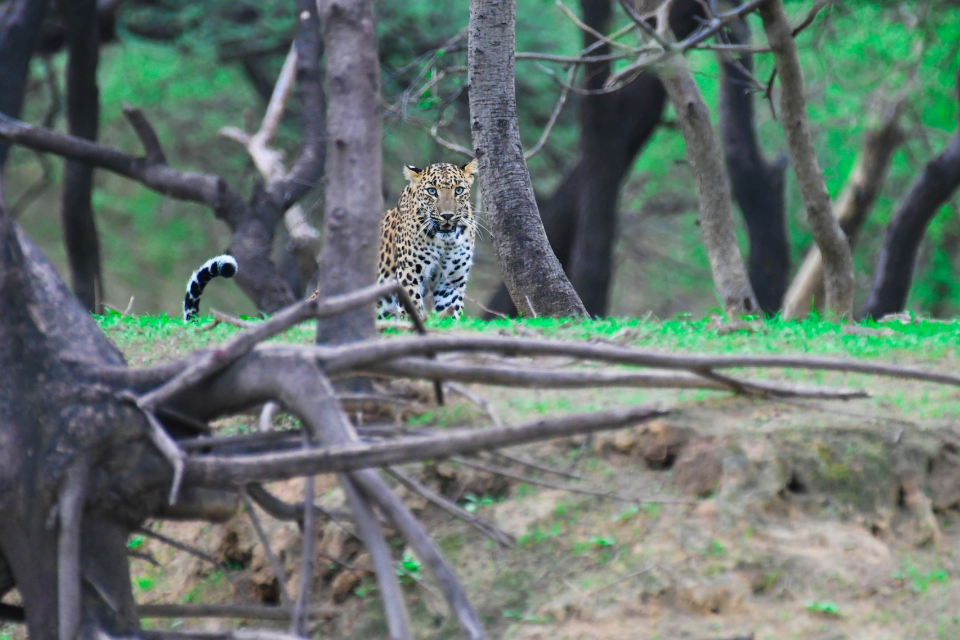
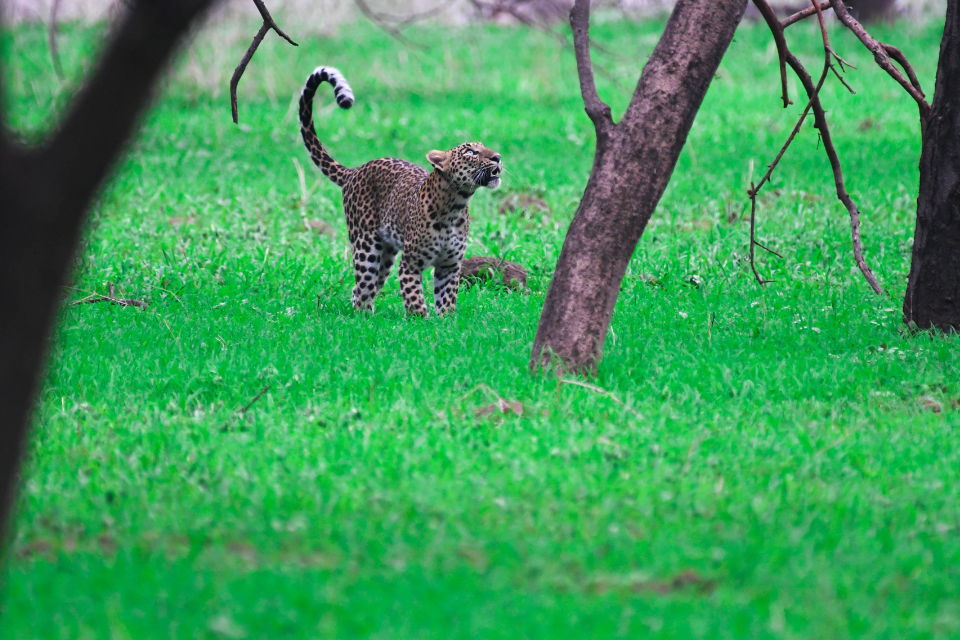
- Monsoon (July to September): The forest turns lush green. While spotting is harder, the contrast of spotted fur against vibrant green foliage creates stunning, “moody” frames.
Morning vs. Evening Safaris
- Morning Safari: Best for “high-key” images and action. Leopards are often returning from a night hunt. The light is crisp and blue.
- Evening Safari: The “Photographer’s Choice.” The setting sun against the Aravalli hills provides a warm, orange glow (The Golden Hour). This is the best time for silhouettes and backlit shots.
- Mastering the Settings: A Cheat Sheet
When a leopard appears, you may only have seconds to react. Use these baseline settings:
Scenario | Mode | Shutter Speed | Aperture | ISO |
Walking/Action | Manual/S-Priority | 1/1250s or higher | f/5.6 | Auto (Limit to 6400) |
Portrait/Resting | Aperture Priority | 1/500s | Wide (f/2.8 – f/4) | Lower (100-800) |
Low Light/Dusk | Manual | 1/200s (Steady hands!) | Widest available | 3200+ |
Pro Tip: Focus on the Eyes. If the eyes aren’t sharp, the photo is a discard. Use Single Point AF or Animal Eye-Detection AF if your camera supports it.
- The Photographer’s Code: Do’s and Don’ts
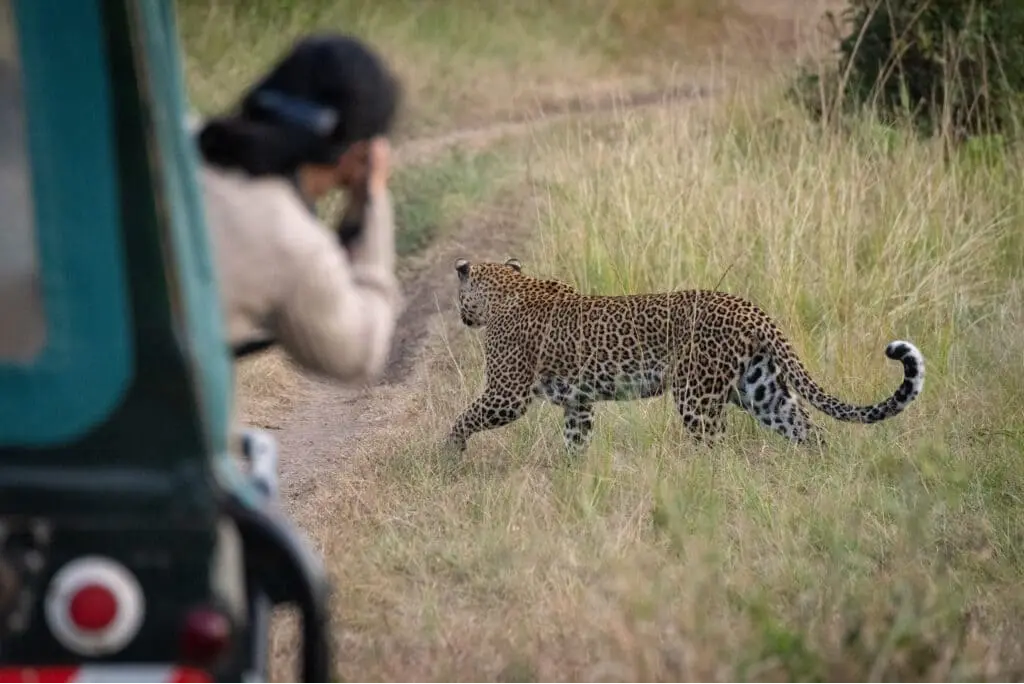
Ethical photography leads to better shots and a healthier forest.
The Do’s
- Communicate with your Guide: Tell them you are a photographer. They will position the vehicle to keep the sun behind you and provide a clear angle.
- Stay Patient: Some of the best shots come after 30 minutes of sitting silently by a waterhole.
- Wear Muted Colors: Olive, khaki, and brown help you blend in. Bright colors can startle the animals.
- Silent Shooting: Use your electronic shutter if possible to avoid the “clack-clack” of the mirror, which can make a leopard retreat.
The Don’ts
- NO FLASH: Flash photography is strictly prohibited. It startles the leopards and can cause them to become aggressive.
- Don’t Stand Up: Stay seated in the Gypsy. Breaking the silhouette of the vehicle makes the leopard perceive you as a separate (and potentially threatening) entity.
- No Luring: Never make sounds or throw food to get the leopard to look at you. It is illegal and unethical.
- Don’t Geotag: When posting on social media, avoid sharing the exact live location to protect the animals from poachers.
- Top Photography Spots in Jhalana
- Lal Bari: Known for early morning movement and dense canopy shots.
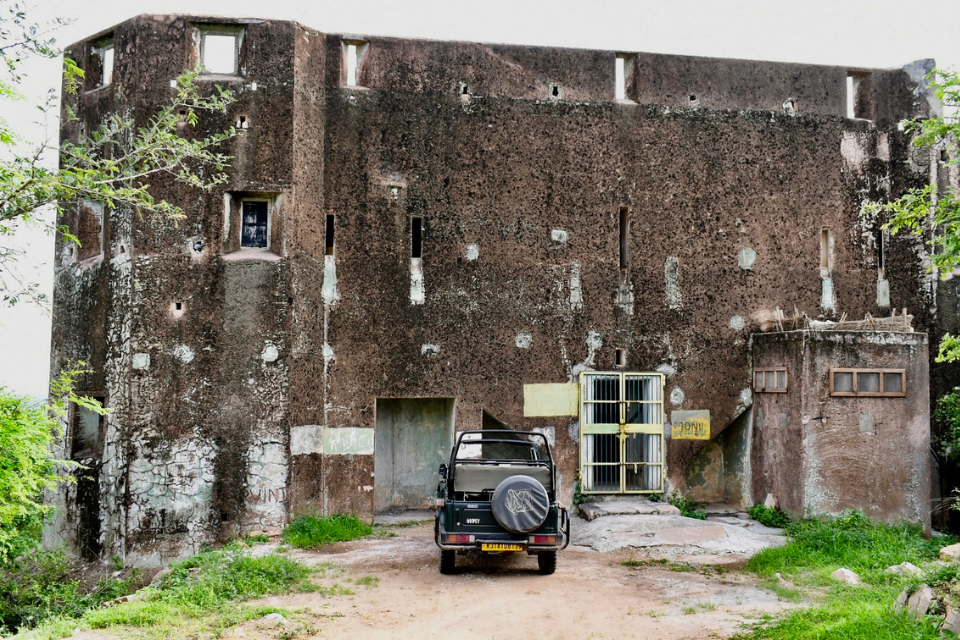
- Shikaar Audi: A historic hunting lodge that provides a “ruin-and-wildlife” aesthetic.
Jhalana Ridge: The best spot for wide-angle panoramic shots showing the boundary between the forest and the city of Jaipur.

- Frequently Asked Questions (FAQ)
Q1: Is a 300mm lens enough for Jhalana?
A: Yes, because leopards at Jhalana are relatively bold and often come close to the tracks. However, a 400mm or 600mm is preferred for those “tight” facial portraits.
Q2: Can I use a mobile phone for photography?
A: You can take decent “record shots,” but for professional-grade wildlife photography, a dedicated camera with an optical zoom is essential due to the distance and low-light conditions.
Q3: Are safaris at Jhalana private?
A: You can book an exclusive Gypsy for your photography group (highly recommended for better positioning) or join a shared Gypsy.
Q4: How many safaris should I book for a good shot?
A: Wildlife is unpredictable. We recommend at least 3 to 4 safaris (2 days) to account for different lighting and increase your chances of a high-quality encounter.
Q5: Is it safe to carry expensive gear in an open Gypsy?
A: Yes, but ensure you have a padded camera bag and a dust cover. Always keep your strap around your neck or wrist.
Q6: What is the “Golden Hour” timing in Jaipur?
A: Generally, the last 45 minutes of the evening safari and the first 30 minutes of the morning safari.
Q7: Can I bring a drone to Jhalana?
A: No. Drones are strictly prohibited in all Indian Wildlife Sanctuaries and National Parks.
Q8: What other wildlife can I photograph?
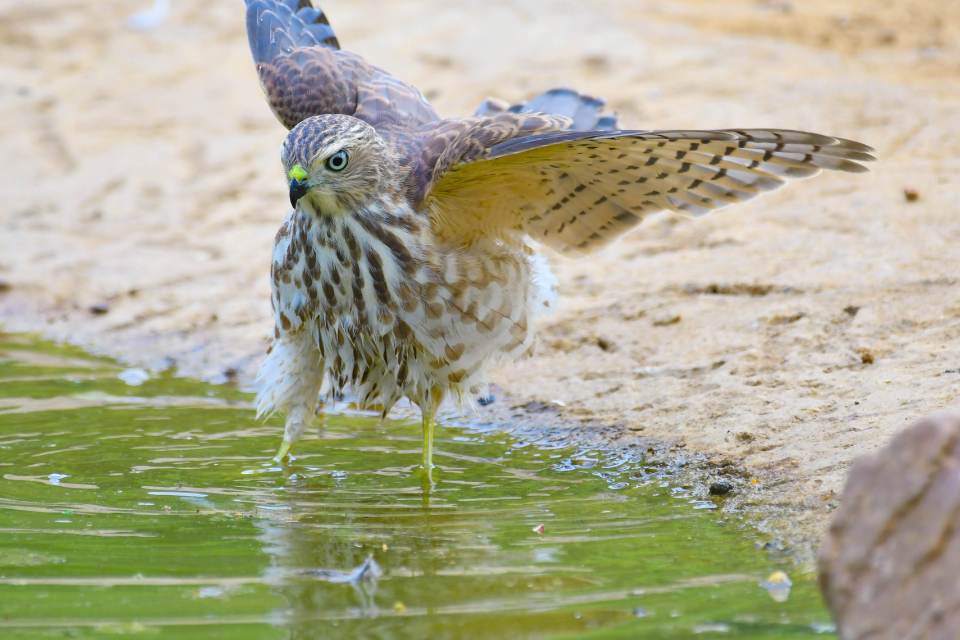
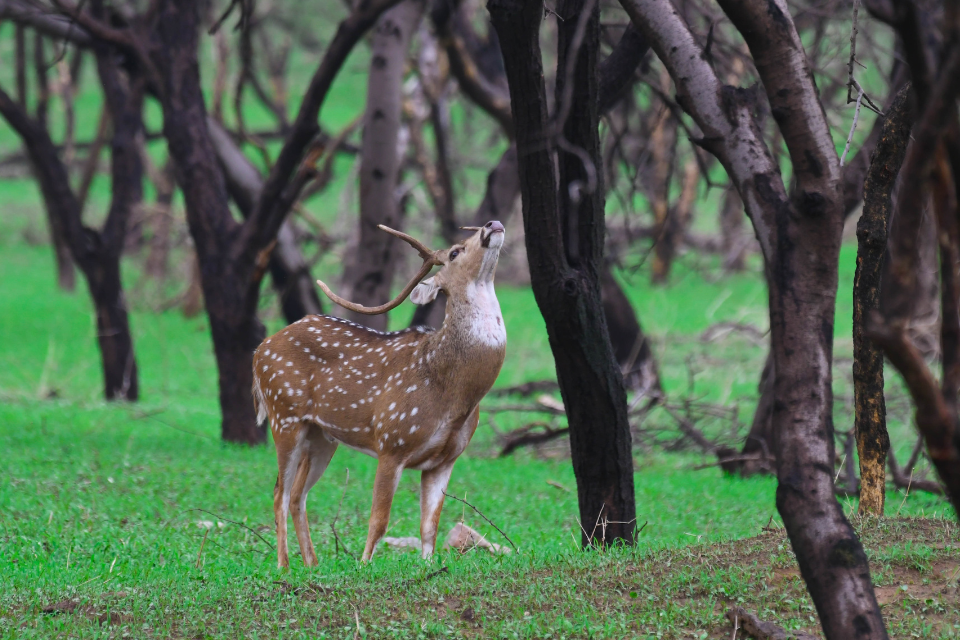
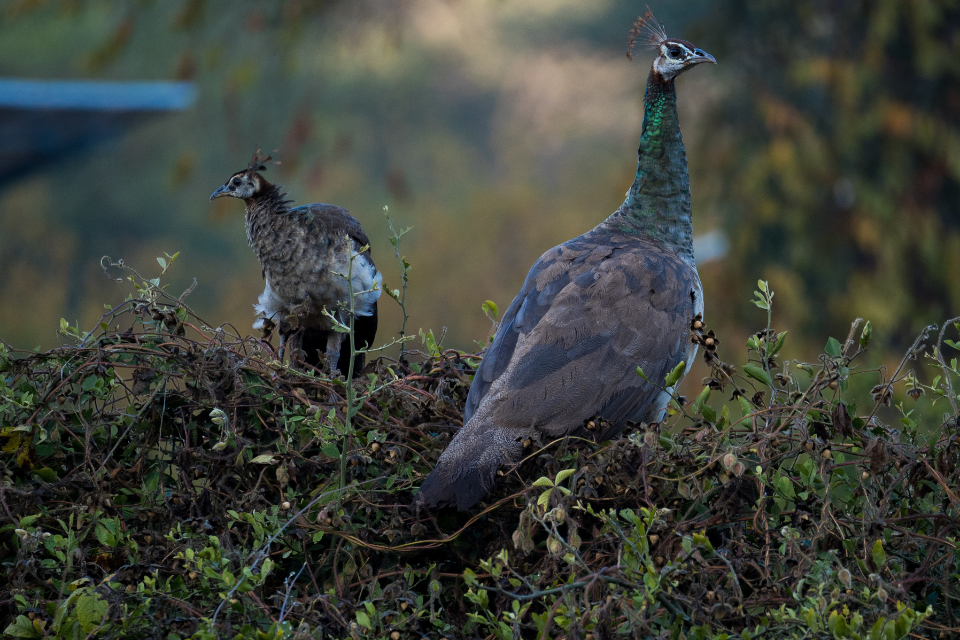
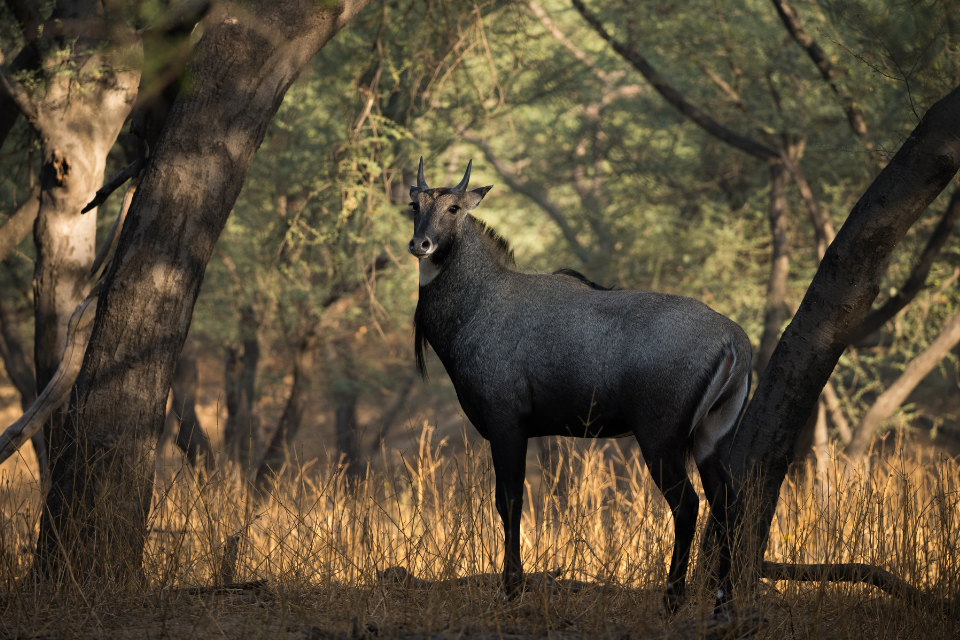
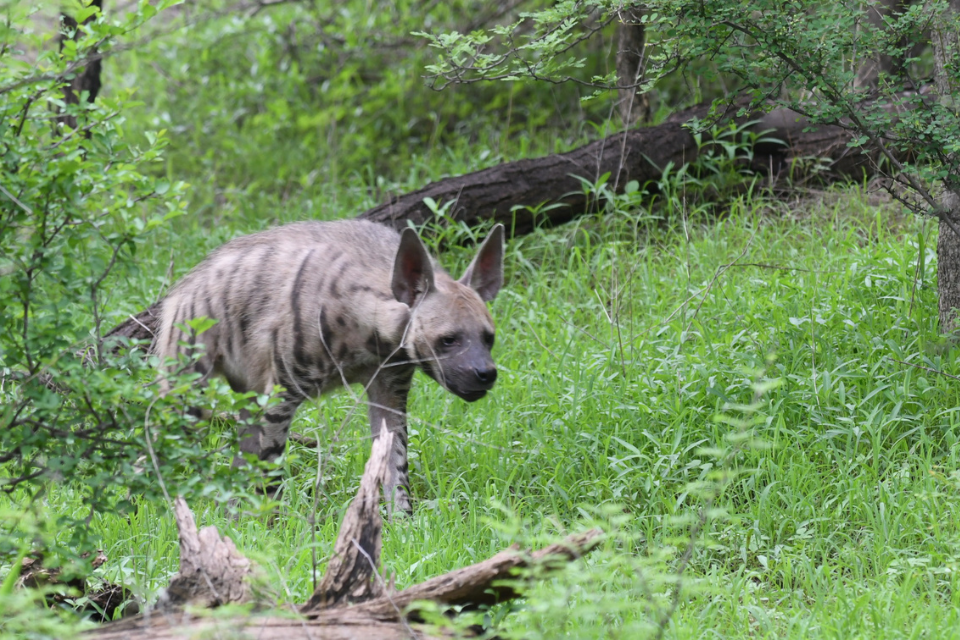
A: Keep an eye out for Striped Hyenas, Desert Foxes, Spotted Deer, and over 200 species of birds, including the Indian Pitta and Spotted Owlets.
Conclusion
Jhalana offers a rare intimacy with one of the world’s most elusive predators. Whether you are a professional looking for a portfolio-grade leopard portrait or a hobbyist capturing the magic of the wild, Jhalana never disappoints. Success here is a blend of technical preparation and “jungle ethics.”
To get the most out of your photography trip, booking with experienced guides who understand light and angles is non-negotiable.
Disclaimer
Leopard sightings are subject to nature and are not guaranteed on every safari. Safari timings and forest rules are governed by the Rajasthan Forest Department and are subject to change. Always prioritize animal welfare over the “perfect shot.”
Disclaimer All images used in this blog are either sourced from public domain or credited to their respective owners. If you are the copyright holder of any image and wish to request its removal or proper attribution, please contact us at [email protected]