- December 13, 2025
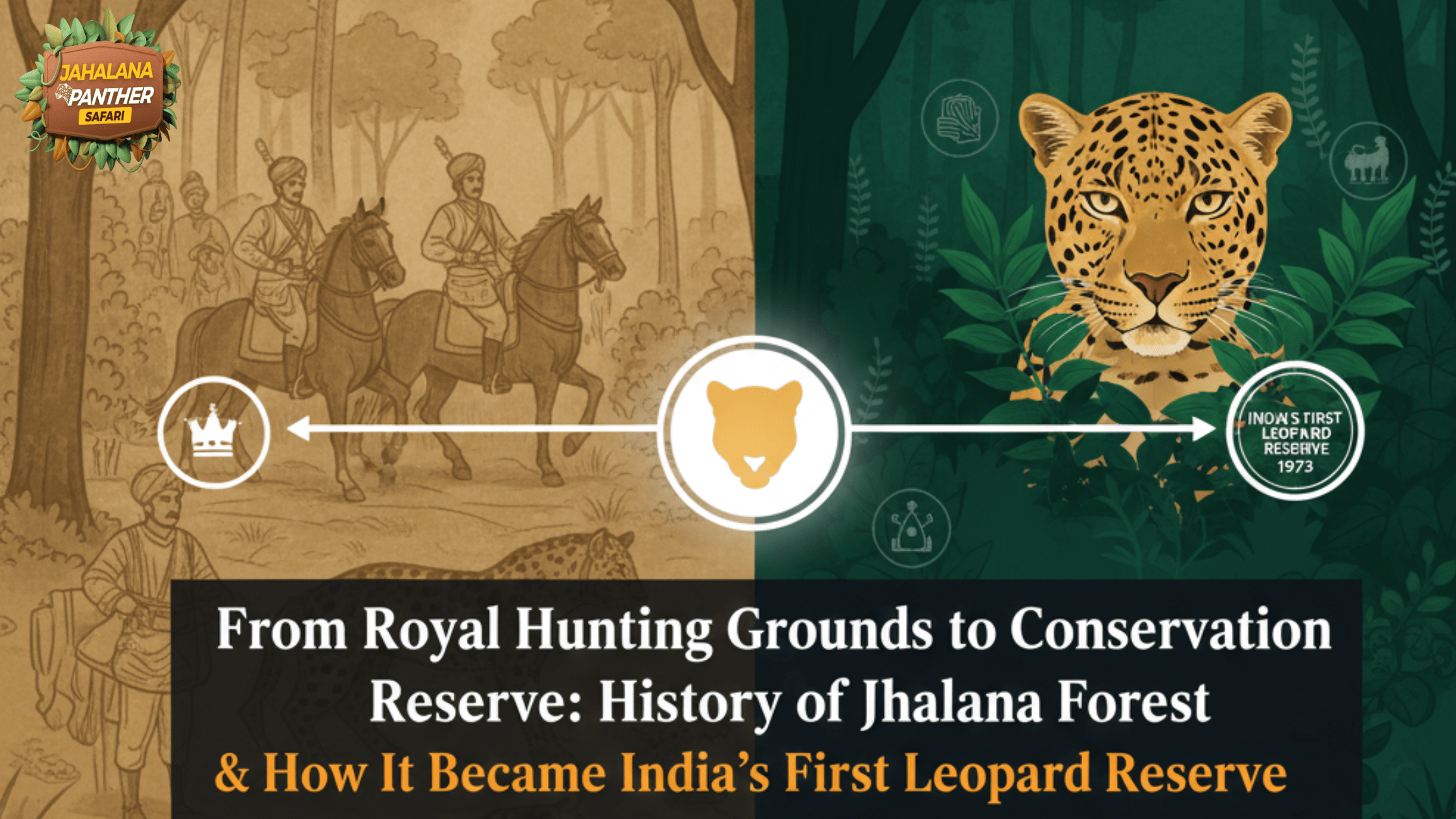
From Royal Hunting Grounds to Conservation Reserve: History of Jhalana Forest & How It Became India’s First Leopard Reserve
Introduction
Jaipur, the Pink City, is a mesmerizing blend of regal history and modern bustle. Yet, just a few minutes from its urban core lies a unique environmental success story: the Jhalana Safari Park. This small, dense forest reserve, nestled within the Aravalli hills, holds the distinction of being India’s first dedicated Leopard Reserve.
The transformation of Jhalana from a favored hunting ground of Rajasthan’s Maharajas into a thriving, protected habitat for leopards and other wildlife is a testament to the power of conservation. It’s a history intertwined with Jaipur’s royal heritage, ecological change, and a modern commitment to urban wildlife preservation.
Understanding this rich past not only enhances the safari experience but also underscores the critical role Jhalana plays as a bio-diversity island surrounded by concrete. This blog delves into the fascinating timeline of Jhalana, tracing its journey from a royal preserve to a world-renowned conservation model.
- The Royal Era: Shikar Khana and Princely Hunts (Pre-1950s)
The history of Jhalana is inextricably linked to the ruling families of Jaipur, who recognized the area’s rich fauna long ago.
The Role of the Aravallis
Jhalana sits on the eastern foothills of the ancient Aravalli Range. Its dense scrubland, rocky outcrops, and seasonal water channels provided a perfect habitat for deer, nilgai, and, most importantly, the apex predator, the leopard (Panthera pardus).
Jhalana as a ‘Shikar Khana’
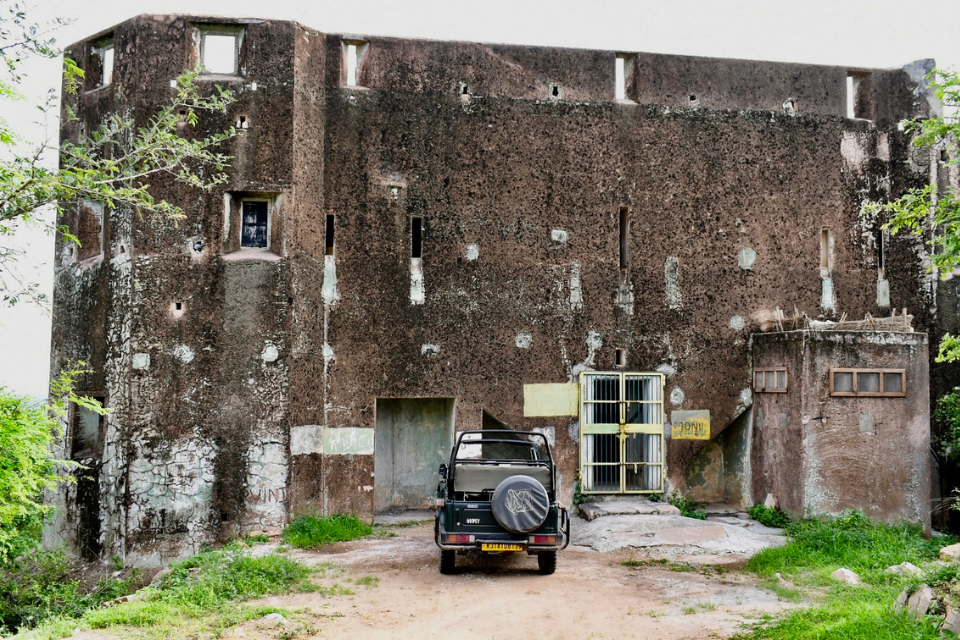
Before independence, the forest area was designated as a Shikar Khana—a royal hunting preserve.
- Exclusive Access: Hunting rights were strictly reserved for the Maharaja and his elite guests.
- Selective Hunting: While hunting was practiced, the princely states often maintained certain conservation measures to ensure the species were not entirely depleted, viewing the forest as a perpetual resource.
- Lack of Formal Protection: Despite this, the area lacked the formal protective status and scientific management that would define its later years.
Post-Independence Challenges
Following India’s independence and the abolition of the princely states, the land transitioned to state control.
- Encroachment Pressure: As Jaipur grew rapidly in the mid-20th century, Jhalana faced immense pressure from surrounding urban and industrial development.
Uncontrolled Hunting & Poaching: With the loss of royal control, the area suffered from poaching and uncontrolled hunting, leading to a decline in leopard and prey populations.
- The Formative Years: Forestry and Protection (1970s – 2000s)
The mid-to-late 20th century marked the beginning of formal protection, largely driven by the Forest Department.
Designation as Reserve Forest
The land was officially notified as a Reserve Forest under the Rajasthan Forest Act. This designation provided a legal shield against commercial exploitation, deforestation, and settlement.
- Focus on Plantation: Initial conservation efforts focused primarily on afforestation and stopping illegal woodcutting, aiming to restore the green cover lost over previous decades.
- Wildlife Sanctuary Status Considered: While the area was recognized for its leopard population, it was categorized generally as a protected area rather than a specific leopard sanctuary.
The Unique Urban Challenge
Unlike Ranthambore or Sariska, Jhalana was unique because it became completely isolated.
- Habitat Fragmentation: The expanding highway networks and housing colonies effectively turned Jhalana into an ecological island, surrounded entirely by the city.
- Coexistence Model: This created a unique scenario where the survival of the leopards depended on their ability to coexist near humans, and the Forest Department’s ability to manage this critical interface.
- The Conservation Milestone: India’s First Leopard Reserve (2010s)
The tipping point came with the realization that Jhalana hosted a remarkably dense and genetically healthy population of leopards that were surviving despite the proximity to the city.
Scientific Recognition and Need
- Population Study: Extensive camera trapping studies confirmed the high density (estimated at one leopard per 2 square kilometers), leading to the conclusion that the habitat was viable and needed formal recognition.
- Tourist Pressure on Ranthambore: Recognizing that Ranthambore was under immense pressure, the need for an accessible, separate wildlife experience near Jaipur became clear.
Formal Designation (c. 2017)
The Rajasthan Forest Department formally designated the area as the Jhalana Leopard Conservation Reserve (or Jhalana Safari Park).
- The Pioneer Title: This made Jhalana the first protected area in India explicitly dedicated to the conservation of the leopard.
- Ecotourism Model: The designation brought with it regulated, low-impact tourism. The safari operations were tightly controlled to ensure minimal disturbance to the wildlife.
Key Results of the Designation:
- Resource Allocation: Increased funds and personnel dedicated solely to anti-poaching and habitat management.
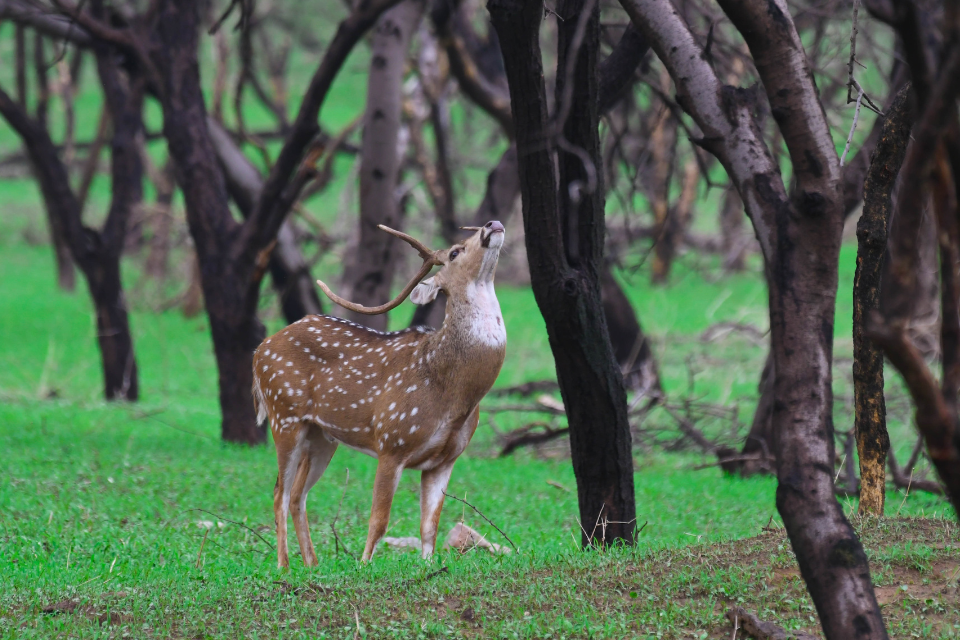
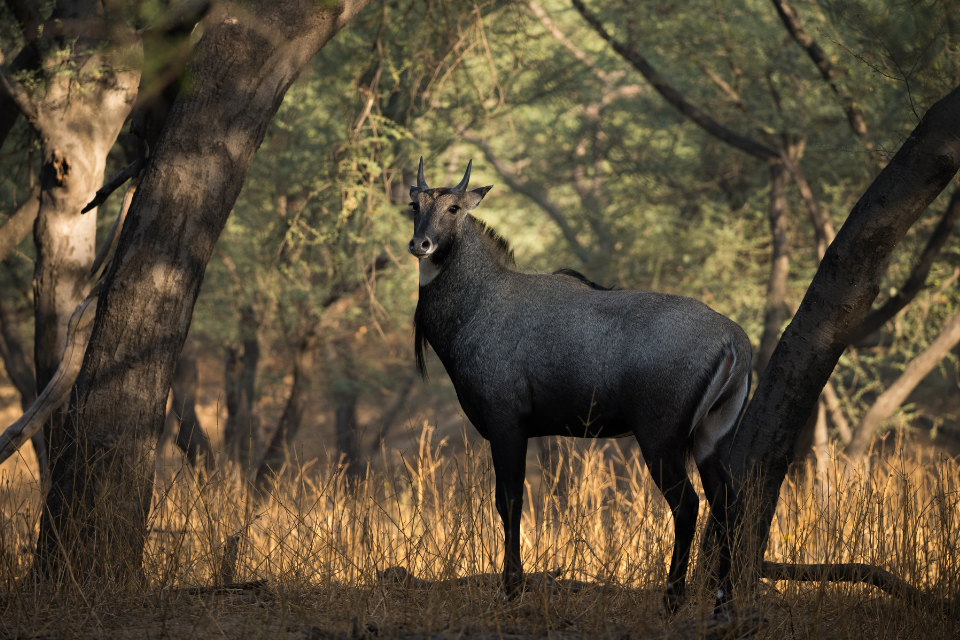
- Prey Base Enhancement: Focused efforts to manage and increase the populations of prey species like Nilgai, Spotted Deer, and Wild Boar, reducing the need for leopards to venture into urban areas for food.
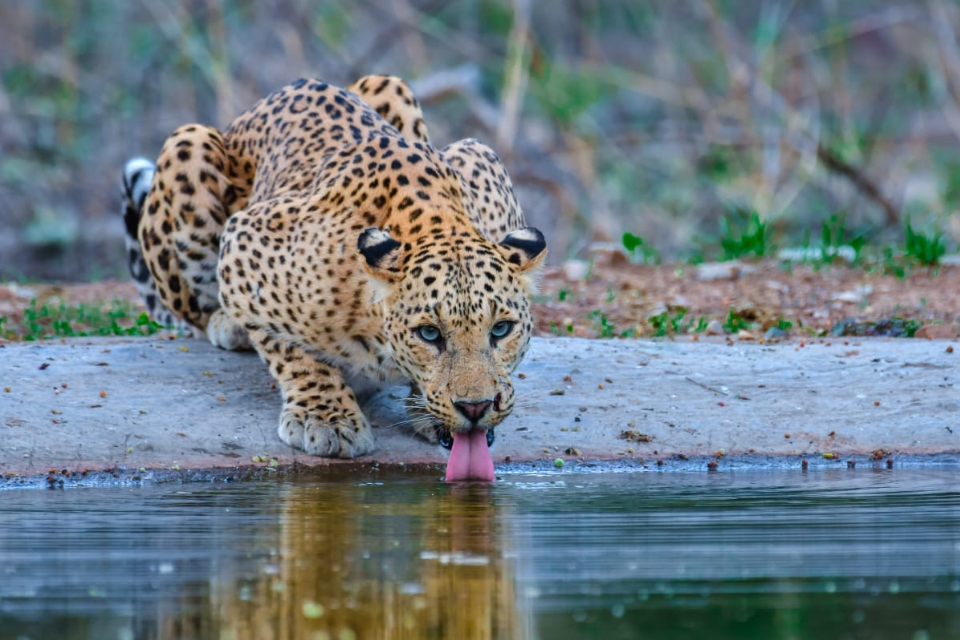
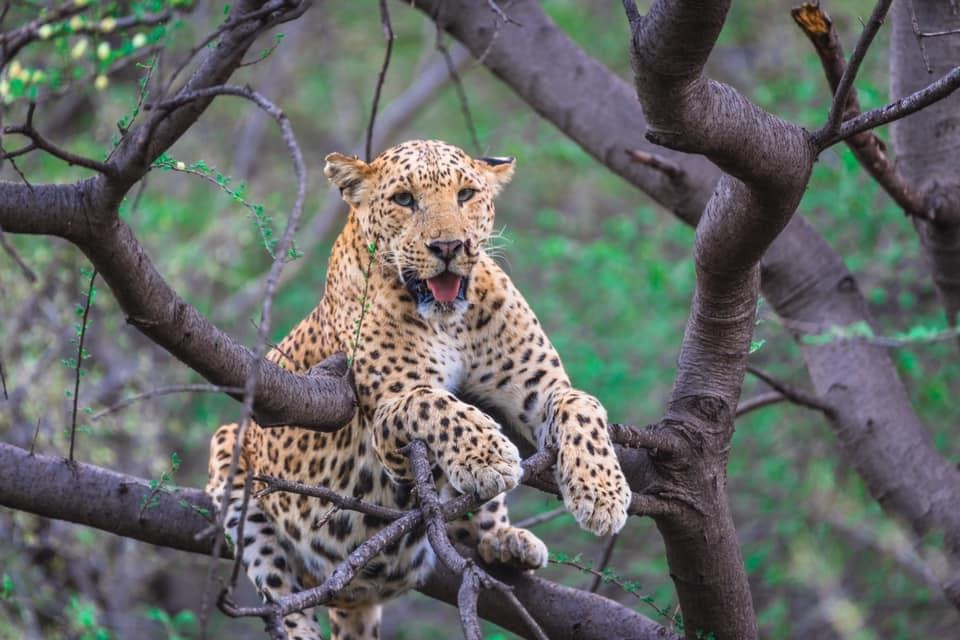
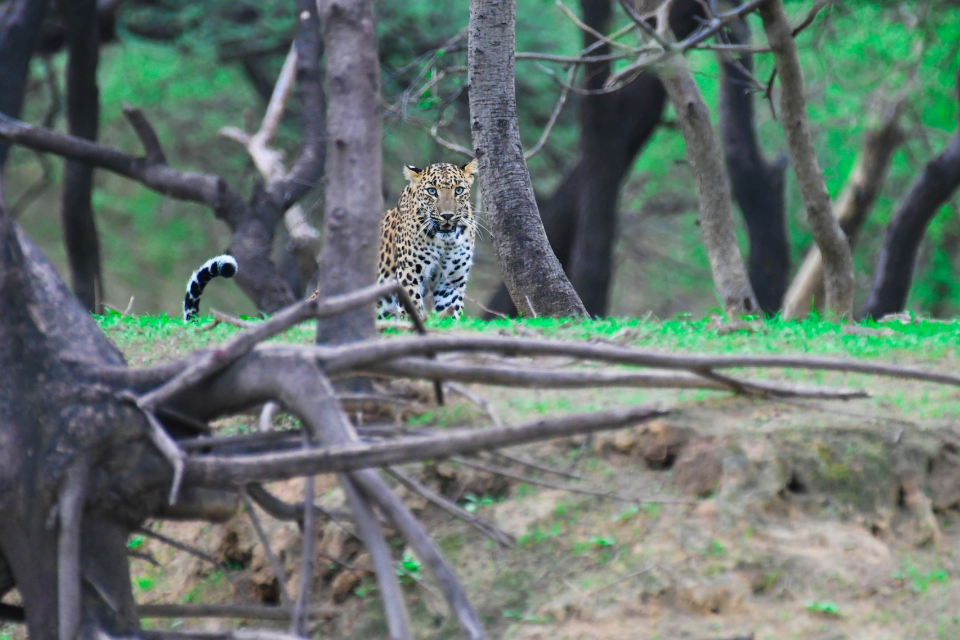
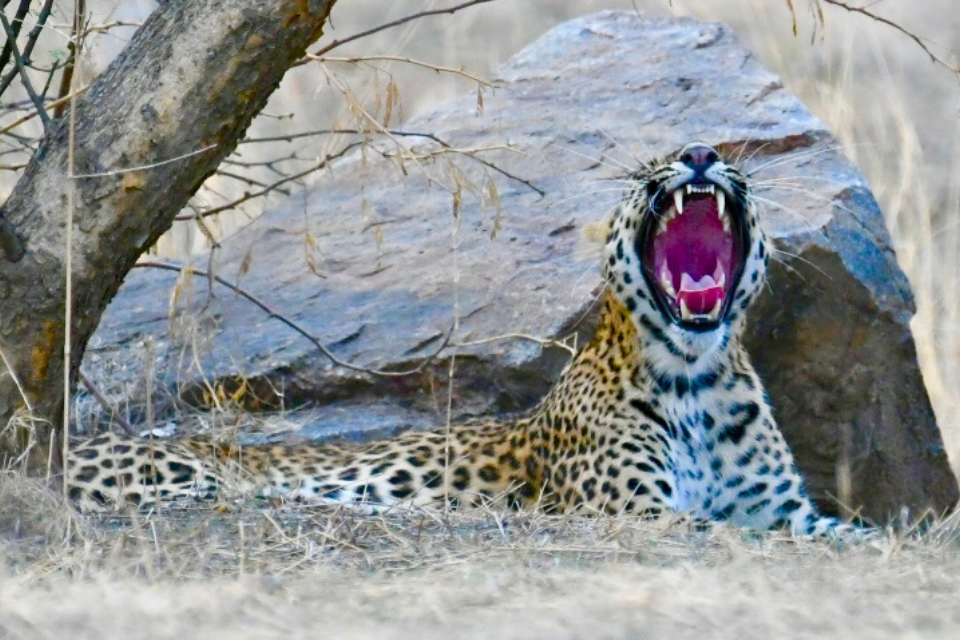
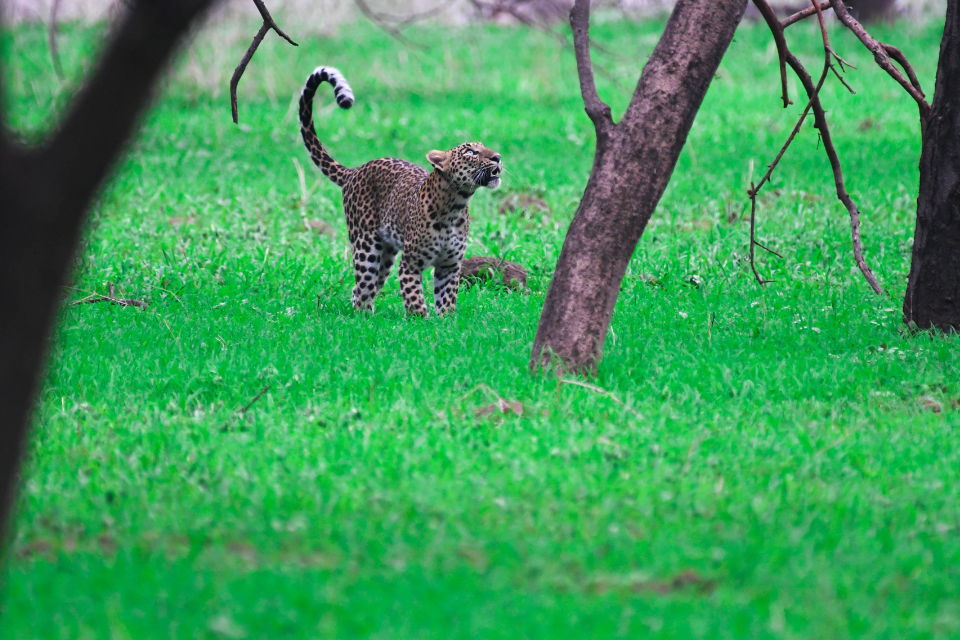
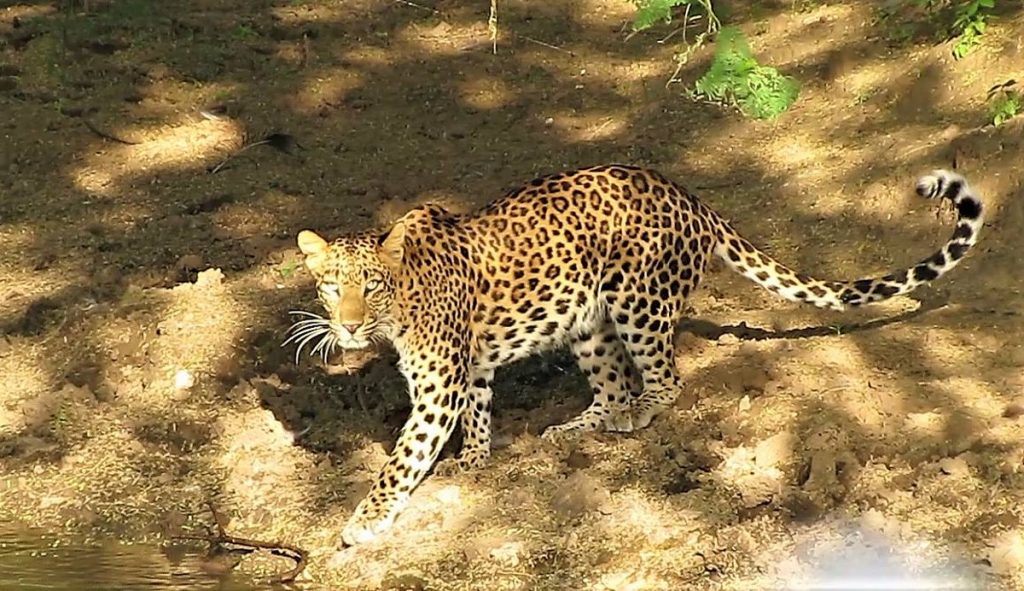
Leopard Sightings: The regulated environment led to exceptional leopard sightings, earning Jhalana the moniker of “Leopard Capital of the World.”
4. Jhalana Today: A Model for Urban Wildlife
Today, Jhalana is a thriving ecosystem and a global example of successful urban conservation.
Ecology and Wildlife:
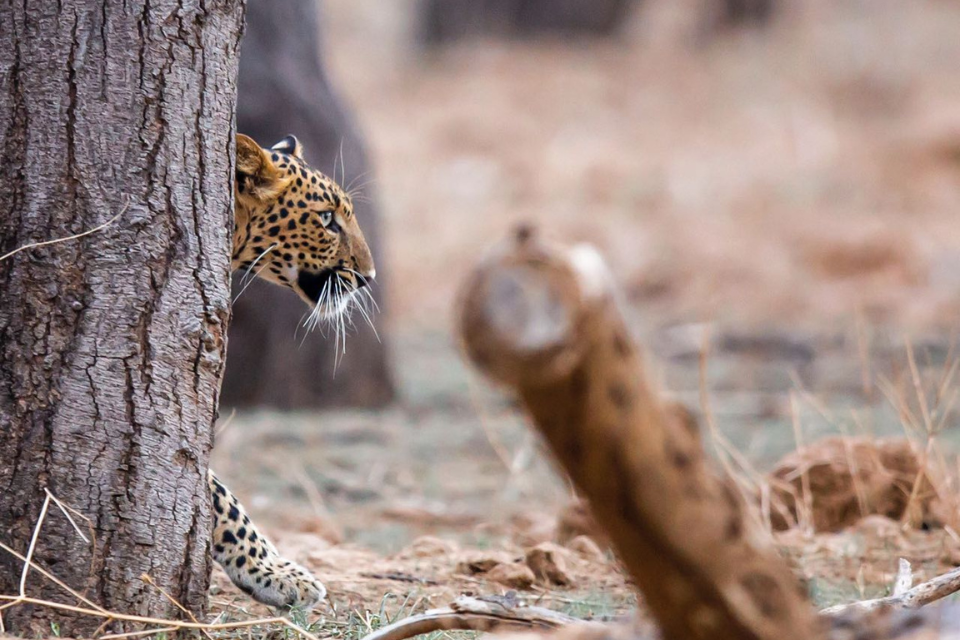
- Apex Predator: The Star is the Leopard, thriving with minimal human conflict (due to fencing and constant monitoring).
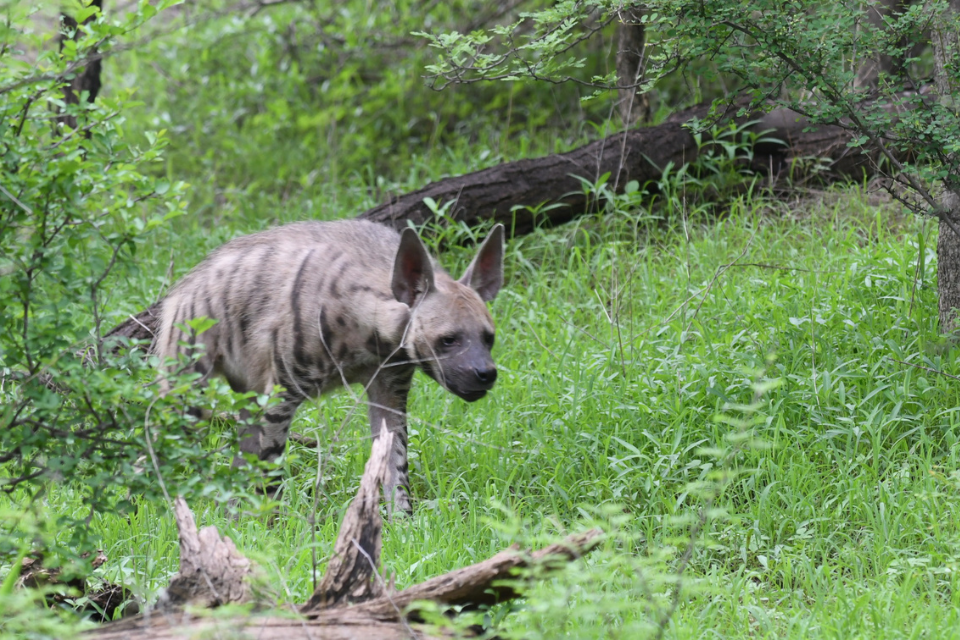
- Other Fauna: The reserve is home to Striped Hyenas, Indian Civets, Desert Foxes, Nilgai, and Jackals.
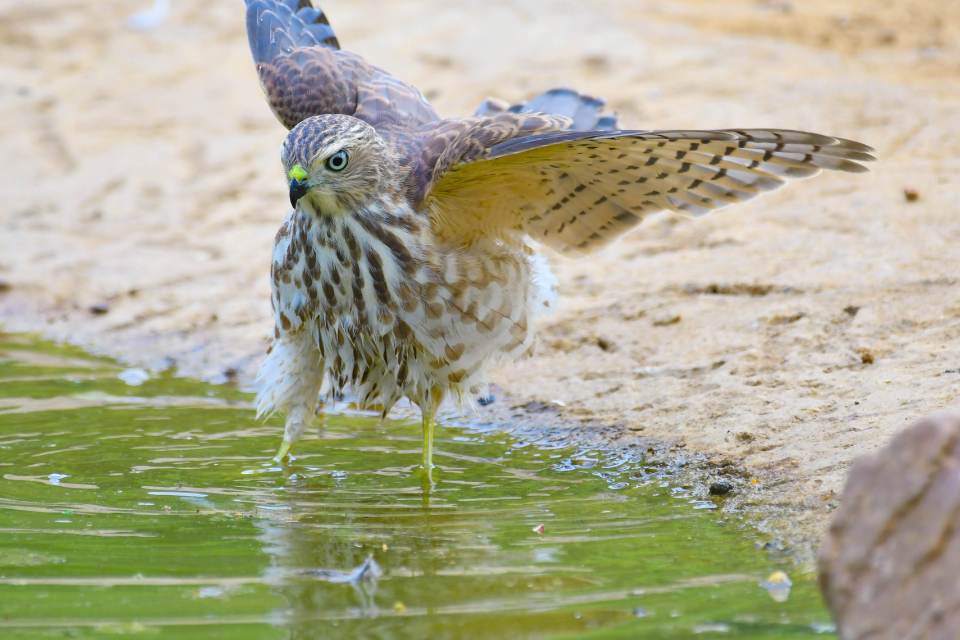
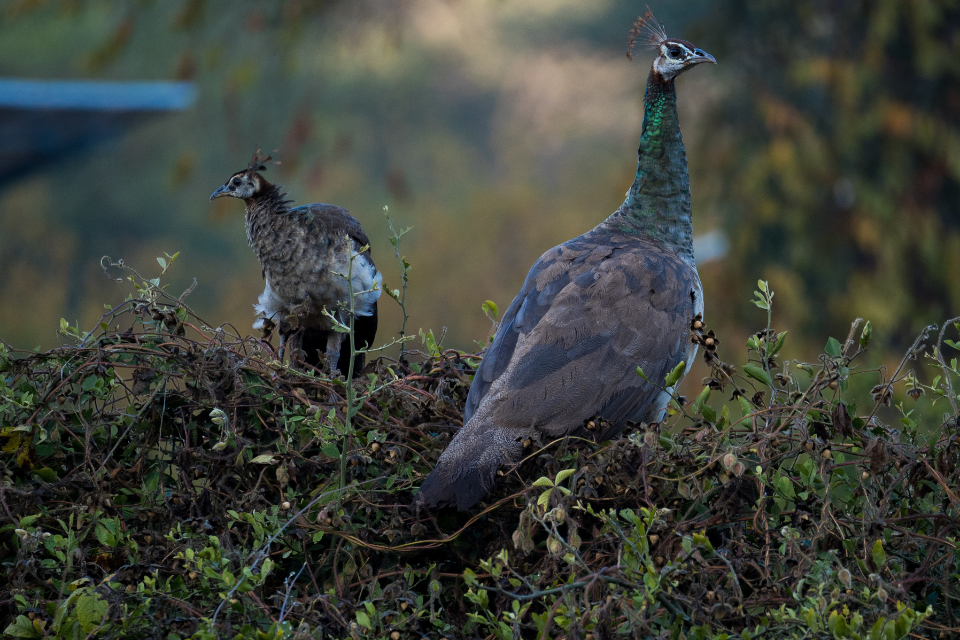
- Birding Hotspot: Over 150 species of birds, including migratory and resident species like the Indian Pitta, make Jhalana a bird watcher’s paradise.
The Role of the Safari:
The safari experience is carefully managed to fund the conservation efforts:
- Timed Slots: Safaris are strictly limited to two slots daily (morning and evening) with a fixed number of vehicles allowed.
- Trained Guides: Guides and drivers are local, experienced trackers whose knowledge is essential for successful, ethical sightings.
- Revenue Generation: The revenue generated from tourism directly supports the salaries of guards and habitat maintenance.
5. Planning Your Visit: Booking the Ethical Experience
Experiencing Jhalana requires advance planning due to the limited number of vehicles allowed inside the reserve.
Booking Essentials Checklist:
- Book Online: Safari tickets must be booked online through official channels well in advance (especially for peak season, October-March).
- Identification: Carry the original ID proof (Passport/Aadhaar) used for booking, as it is strictly checked at the gate.
- Safari Slots: Choose between the early morning slot (best for tracking activity before the heat) or the late evening slot (best for sunsets and leopards moving to rocky outcrops).
- Jeep Type: Decide whether you want a single seat (shared jeep) or to book the entire vehicle for privacy.
6. Book Your Jhalana Safari with Us!
The quality of your safari experience hinges entirely on the knowledge of your driver and guide, the vehicle quality, and the seamlessness of your booking process.
When you book your Jhalana experience through us, you are guaranteed:
- ✅ Expert Trackers: We partner only with the most experienced and ethical drivers in the park, who have the highest success rates for sightings.
- ✅ Seamless Logistics: We handle the complex online booking system and ID verification, ensuring a hassle-free start to your safari.
- ✅ Guaranteed Slots: Due to our partnership network, we can often secure last-minute slots even when the official website is fully booked.
Experience the history, the thrill, and the conservation legacy of Jhalana firsthand.

- Frequently Asked Questions (FAQ)
Q1: What is the primary difference between Jhalana and Ranthambore? A: Jhalana is a dedicated Leopard Reserve with a very high density of leopards, making sightings highly probable. Ranthambore is a much larger Tiger Reserve, where tiger sightings are the main focus, and overall wildlife density is lower.
Q2: What is the likelihood of seeing a leopard? A: The probability is extremely high, often cited at 80% to 90%, making Jhalana one of the best places in the world to see a leopard in the wild.
Q3: Is the forest fenced off from the city? A: Yes, the entire boundary of the reserve is fenced, preventing leopards from entering the dense urban area and minimizing human-wildlife conflict.
Q4: Can I see a Tiger in Jhalana? A: No, Jhalana is exclusively a leopard habitat. Tigers are found in nearby reserves like Ranthambore and Sariska.
Q5: What is the best season to visit Jhalana? A: Winter (October to March) offers the most comfortable weather and high sighting probability, as leopards often bask in the sun on rocky ledges.
Q6: How far in advance do I need to book my safari? A: During peak season, tickets should be booked at least 20-30 days in advance due to strict vehicle limits.
Q7: How many people fit in one safari vehicle (Gypsy)? A: A standard Gypsy can accommodate 6 guests plus the driver and guide.
Q8: What wildlife besides leopards can I expect to see? A: Common sightings include the Striped Hyena, Nilgai (Blue Bull), Spotted Deer, Jackals, Indian Civets, and a wide variety of resident and migratory birds.
Disclaimer
While Jhalana is renowned for its high sighting probability, the experience remains a wildlife safari in a natural setting. The movement, visibility, and behavior of the animals are entirely subject to natural conditions, weather, and time of day. We cannot guarantee any specific animal sighting, including leopards, during your safari. Please respect the rules of the forest and follow the instructions of your guide at all times.
Conclusion
Jhalana is more than just a place to spot a leopard; it is a living history book—a profound narrative of how royal legacy and modern conservation can transform a fragmented landscape into an ecological jewel. By visiting Jhalana, you are not just enjoying a thrilling safari; you are directly supporting the preservation of a unique urban ecosystem that stands as a monumental success story in Indian wildlife conservation.
Disclaimer All images used in this blog are either sourced from public domain or credited to their respective owners. If you are the copyright holder of any image and wish to request its removal or proper attribution, please contact us at [email protected]