
- December 11, 2025
Why the Leopards of Jhalana Are Easier to Spot Than in Other Reserves
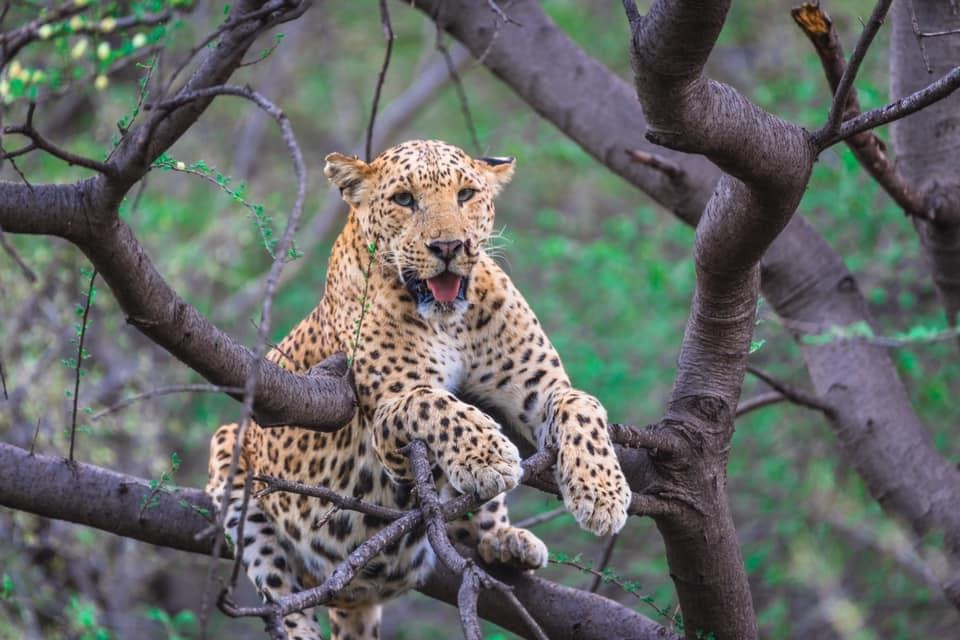
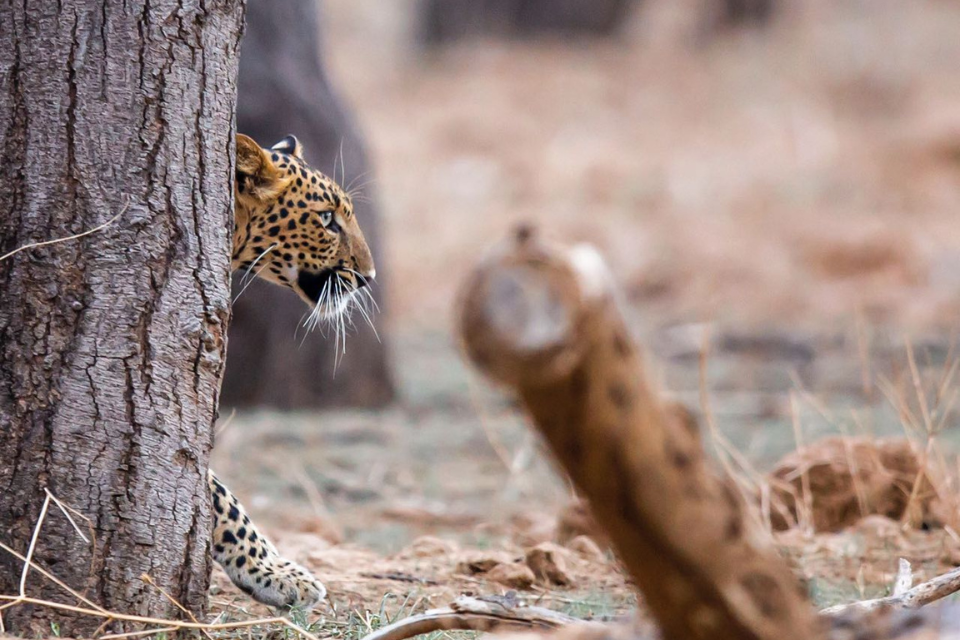
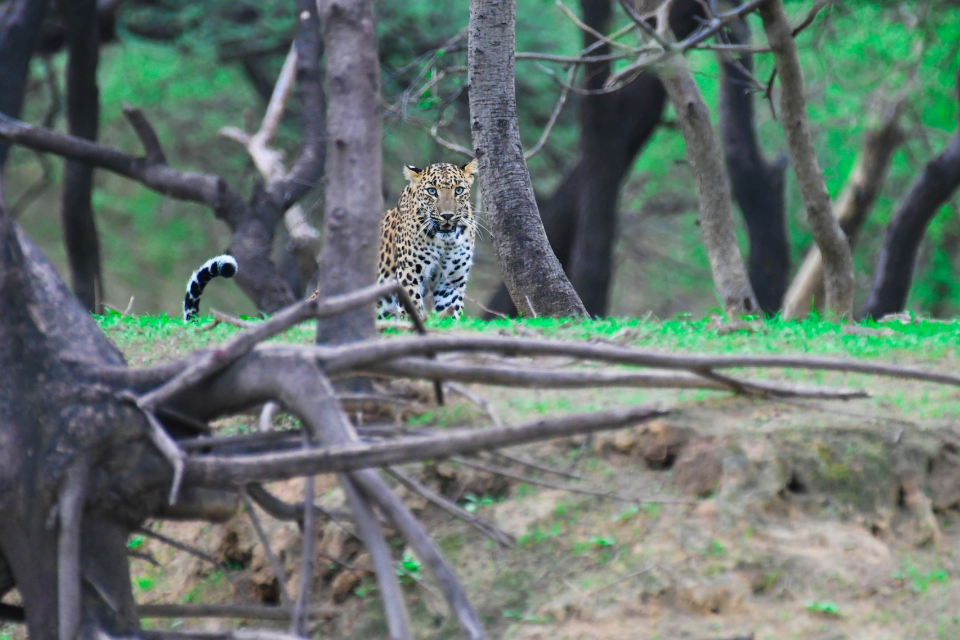
Jhalana Leopard Reserve, located in Jaipur, Rajasthan, has emerged as one of India’s most reliable leopard-sighting destinations. Unlike most leopard habitats across the country—where these elusive cats are notoriously hard to spot due to their nocturnal lifestyle and dense forest cover—Jhalana offers an entirely different experience. Here, photographers, wildlife enthusiasts, and tourists frequently encounter leopards during broad daylight, often at surprisingly close distances.
But what makes Jhalana so unique?
Why are these leopards easier to spot compared to those in other reserves like Tadoba, Ranthambore, or Kabini?
The answer lies in a combination of behavioral adaptation, terrain advantages, waterhole dependence, population density, and human-wildlife coexistence patterns that have shaped the ecology of Jhalana over decades.
This article dives deep into the science, geography, and wildlife-tourism dynamics behind Jhalana’s remarkable leopard visibility.
- Understanding the Diurnal Behavior of Jhalana’s Leopards
Leopards in most regions of India are largely nocturnal, meaning they prefer to hunt and move during the night, avoiding interactions with humans and other predators like tigers.
Jhalana, however, presents a contrasting behavioral pattern—its leopards are diurnal, frequently active and visible during the daylight hours. This unusual adaptation has intrigued biologists and wildlife observers for years.
1.1 Why Diurnality Emerged in Jhalana
There are several ecological and behavioral reasons for this shift:
1.1.1 No Tigers = No Competition
In reserves where tigers dominate, leopards become more nocturnal to avoid territorial conflicts.
But Jhalana is a tiger-free ecosystem, allowing leopards to:
- Roam freely during the day
- Hunt without competition
- Use open terrain without fear
- Interact more confidently around safaris
This absence of apex predator pressure is one of the strongest contributors to daytime sightings.
1.1.2 Urban-Proximity Adaptation
Jhalana is surrounded by Jaipur city. Years of coexistence with human activity have led leopards to:
- Become less shy
- Tolerate vehicle movement
- Use man-made and natural spaces efficiently
They now treat safari jeeps as neutral elements in their ecosystem—not threats.
1.1.3 Stable Prey Availability
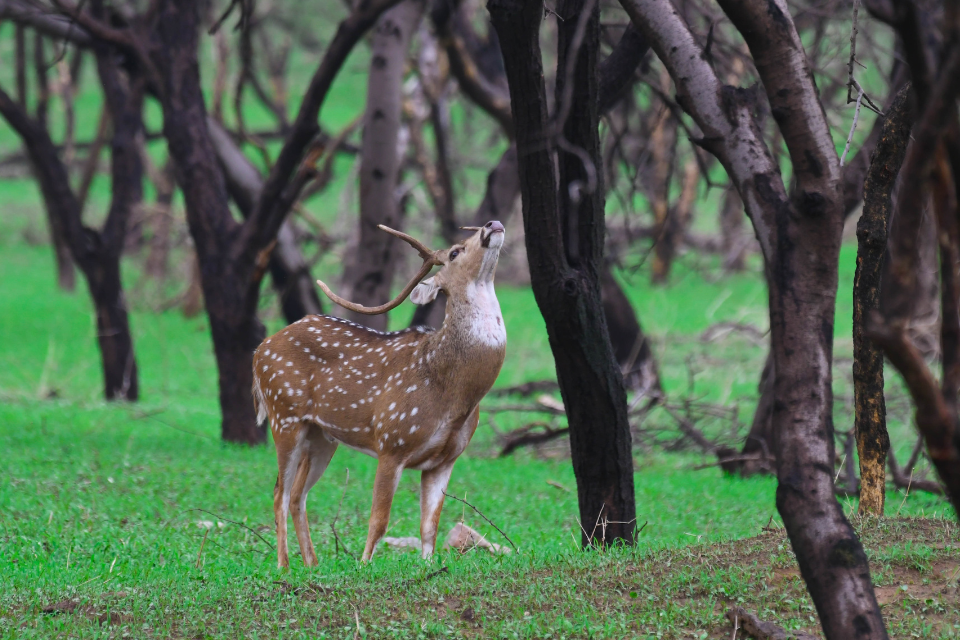
The reserve has a healthy population of:
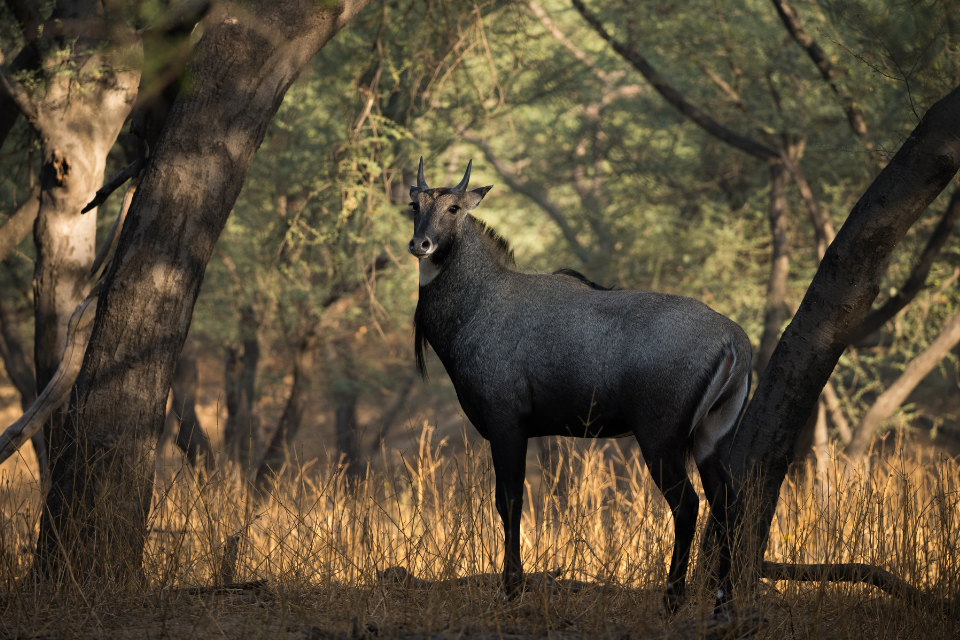
- Nilgai
- Spotted deer
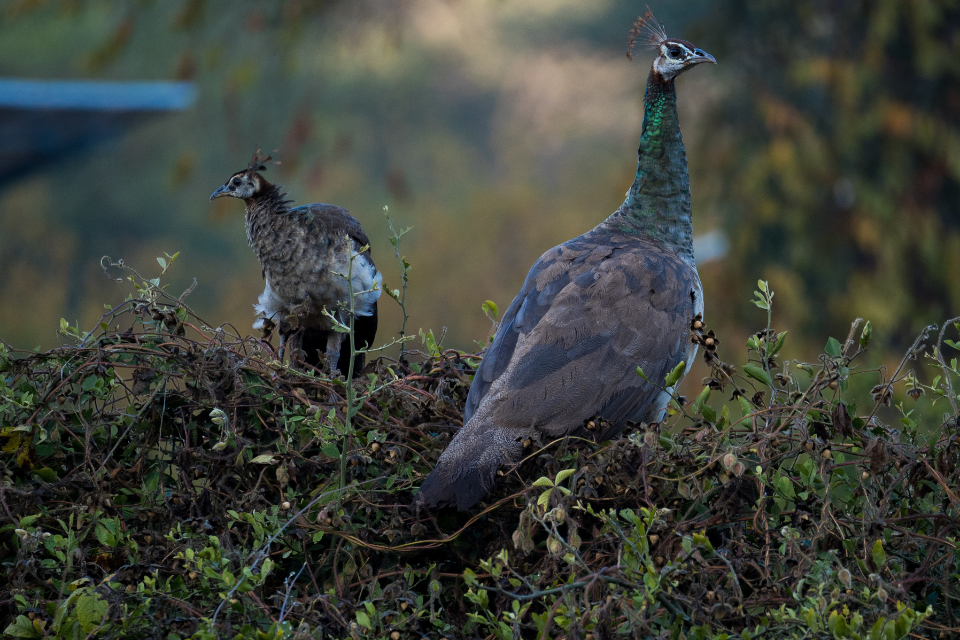
- Peacocks
- Monkeys
- Wild hares
Because prey is abundant and easily accessible, leopards do not require night-time ambushes and can hunt even in daylight.
- Terrain That Favors Frequent Sightings
Jhalana’s geography makes spotting leopards far easier compared to densely forested reserves.
2.1 Aravalli Hill Ecosystem
The reserve is built around the ancient Aravalli Hills, creating natural pathways that leopards love:
- Rocky cliffs
- Caves
- Elevated ridges
- Sloping trails
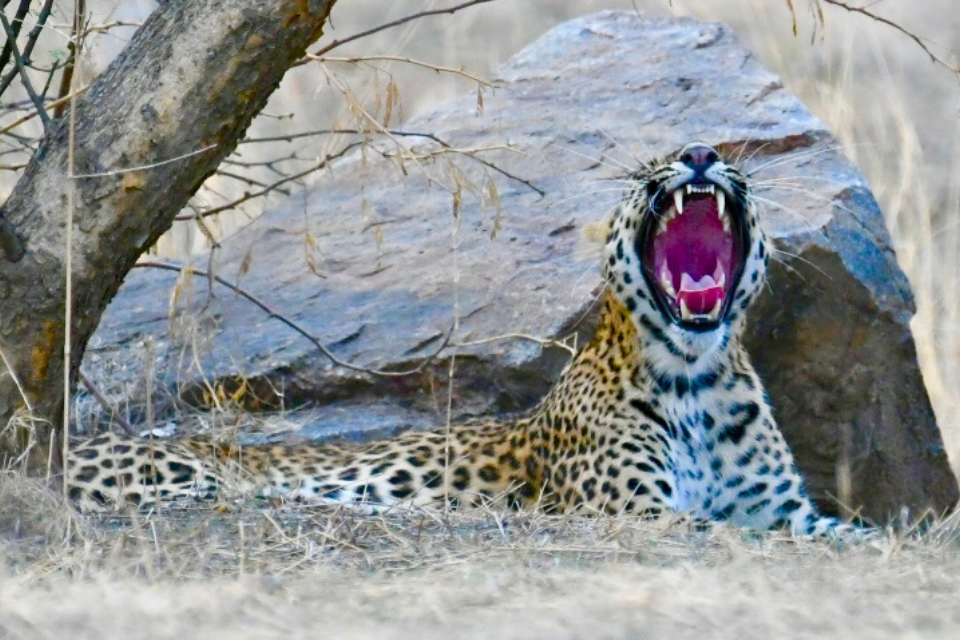
These open landscapes allow safari visitors to view leopards basking on rocks, resting at cave entrances, or walking along ridges.
2.2 Open Scrub Forest
Unlike thick jungles where leopards vanish instantly, Jhalana features:
- Sparse vegetation
- Dry deciduous forest patches
- Shrublands
- Clear sightlines
This makes it easier to spot leopards even from a distance.
2.3 Defined Leopard Territories
Leopards in Jhalana occupy well-known territories with minimal overlap. Safari guides track:
- Pugmarks
- Scent markings
- Territorial calls
- Known resting perches
This intimate knowledge significantly increases sighting probability.
- The Role of Waterholes in Predictable Leopard Movements
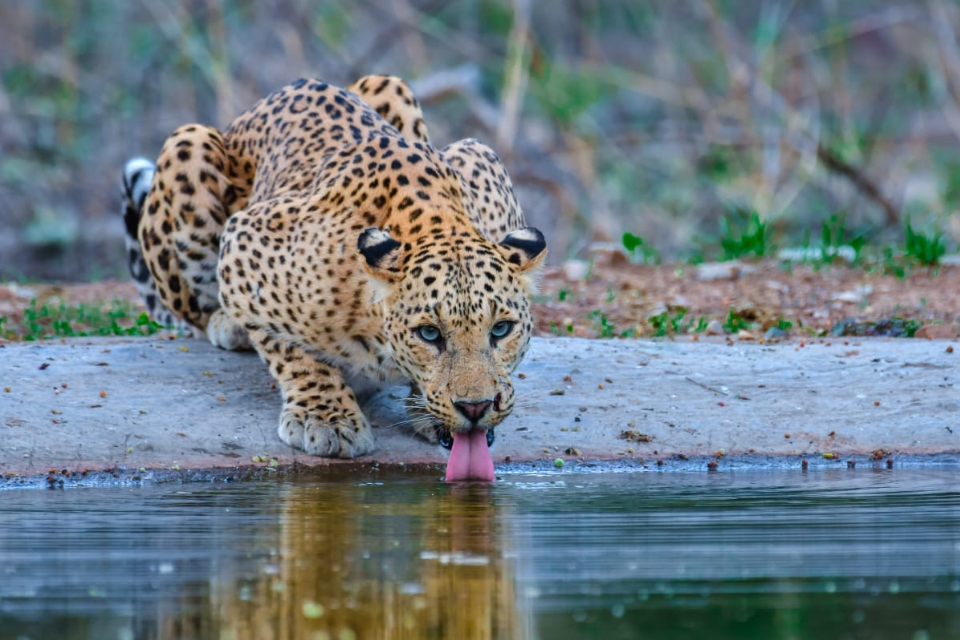
The landscape of Jhalana includes several natural and artificial waterholes. In dry regions like Rajasthan, these are essential wildlife magnets.
3.1 Waterholes Create Natural Wildlife Hubs
During hot months, leopards visit water sources regularly, making sightings more predictable.
Typical behaviors seen at waterholes:
- Drinking at dawn or midday
- Resting in the shade nearby
- Waiting for prey animals
- Cooling down during peak heat
3.2 Safari Routes Strategically Cover Waterhole Zones
Safari trails intentionally pass near:
- Water bodies
- Seasonal streams
- Shaded groves
This ensures visitors often encounter leopards without disturbing their natural routine.
3.3 Waterhole Photography Opportunities
Wildlife photographers love waterhole zones because:
- Lighting is excellent
- Leopards pause for longer durations
- Reflective shots become possible
Behavior patterns are predictable
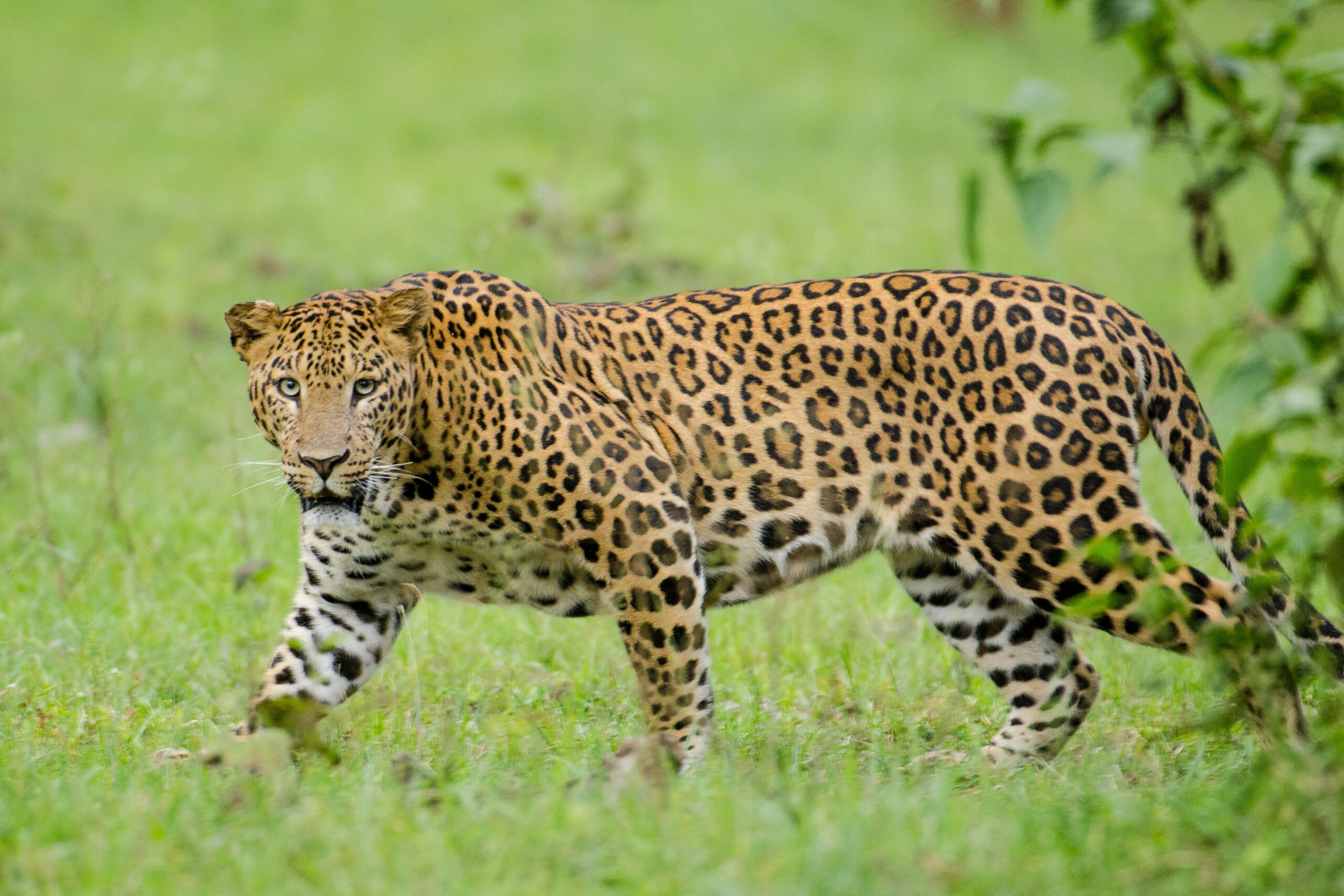
- High Leopard Density Compared to Other Reserves
Jhalana spans approximately 23 sq km yet hosts 30–35 leopards, making it one of the densest leopard habitats in India.
4.1 What High Density Means for Sightings
More leopards = more chances of spotting.
Visitors often witness:
- Leopards patrolling territories
- Cubs learning to climb rocks
- Mothers carrying prey
- Individuals resting openly on hillsides
Few reserves offer such consistency.
- Coexistence With Humans Has Influenced Leopard Behavior
Years of non-invasive tourism have led to remarkable leopard habituation in Jhalana.
5.1 Safari Vehicles Are Not Seen as Threats
Leopards often walk:
- Right beside jeeps
- Across trails
- Along ridges visible from vehicles
This calm interaction enhances sightings without stress or disturbance.
5.2 Minimal Human Disturbance Policies
Strict rules ensure:
- No loud noises
- No off-route driving
- No feeding or approaching wildlife
This ethical approach maintains leopard comfort and encourages natural display of behaviors.
- Why Wildlife Photographers Love Jhalana
For photographers seeking dramatic leopard images, Jhalana offers unmatched advantages.
6.1 Daylight Sightings
Daytime movement means:
- Clearer shots
- Sharper focus
- Natural lighting benefits
Night photography limitations are eliminated.
6.2 Unique Backdrops
Key landscape features create cinematic frames:
- Rocky hills
- Cave entrances
- Dusty trails
- Golden Aravalli sunsets
6.3 Behavioral Photography Opportunities
Photographers frequently capture:
- Leopards climbing cliffs
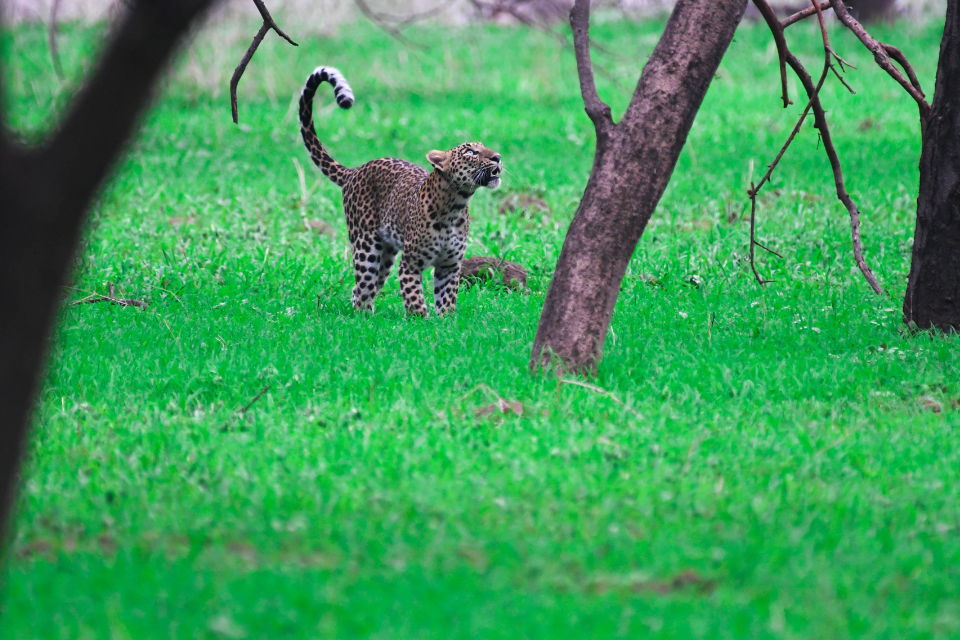
- Marking territories
- Mothers with cubs
- Hunting sequences
- Playful interactions
6.4 Predictability = Better Planning
Unlike forests where sightings are rare surprises, Jhalana allows photographers to:
- Target specific individuals
- Return to known locations
- Study behavior patterns
- Plan shots in advance
- What Tourists Can Expect on a Jhalana Safari
Visitors often experience:
7.1 High Success Rate
Most safaris record at least one leopard sighting. Many record multiple encounters.
7.2 Close (but safe) Sightings
Leopards sometimes cross within 10–20 meters of jeeps—offering stunning visuals.
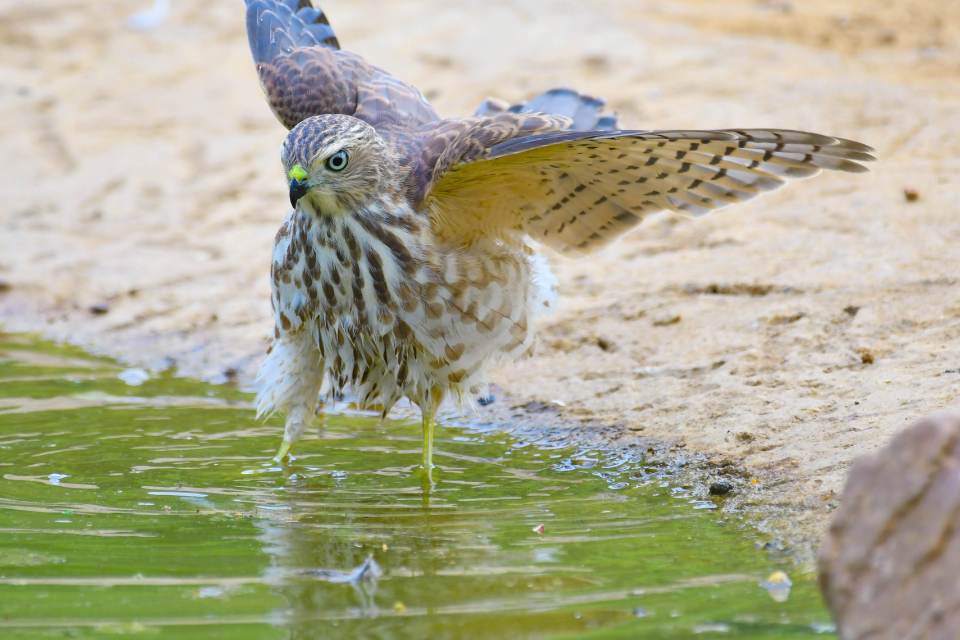
7.3 Rich Birdlife & Supporting Fauna
Apart from leopards, tourists enjoy spotting:
- Peacocks
- Indian hares
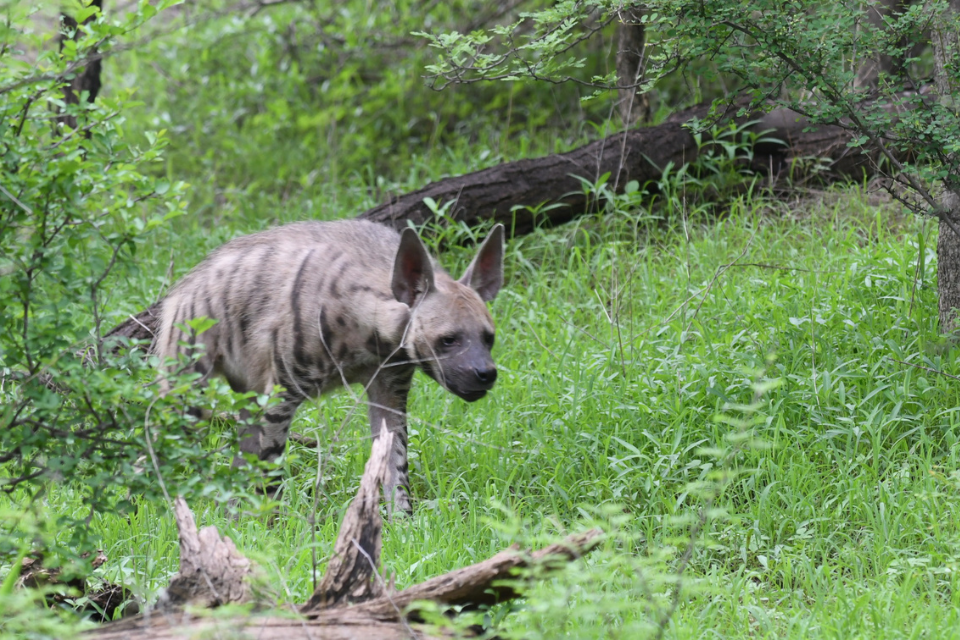
- Striped hyenas (rare)
- Blue bulls (nilgai)
- Spotted owls
- Desert foxes
7.4 Calm, Peaceful Safari Environment
Compared to overcrowded tiger parks, Jhalana offers a more serene safari experience.

- Why You Should Book Your Jhalana Safari Through Us
To get the best safari experience, expert guidance and the right booking partner make all the difference.
When you book through our website, you enjoy:
8.1 Priority Safari Allocation
We help you secure the best safari slots for optimal sightings.
8.2 Expert Naturalists & Guides
Our team knows:
- Individual leopard territories
- Behavior patterns
- Camera angles and light conditions
- Best timing for sightings
8.3 Seamless Booking Experience
We handle:
- Entry permits
- Vehicle arrangements
- Zone selections
- On-ground coordination
8.4 Tailored Photography Safaris
We organize specialized expeditions for wildlife photographers, including:
- Early-entry opportunities (when available)
- Tracking-focused rides
- Stable shooting platforms
- Expert photography assistance
8.5 Ethical & Responsible Tourism
We ensure zero disturbance to wildlife while maximizing your viewing opportunities.
👉 Book your Jhalana Leopard Safari with us today and experience wildlife like never before!
Frequently Asked Questions (FAQ)
Below are the most commonly asked questions by tourists, photographers, and wildlife enthusiasts.
- Why are leopards more visible in Jhalana compared to other reserves?
Because of diurnal behavior, open terrain, high leopard density, and absence of tigers, making sightings frequent and predictable.
- Are Jhalana’s leopards safe to view from safari jeeps?
Yes. They are habituated to vehicles and display natural calmness, making sightings safe as long as rules are followed.
- What is the best time of year for leopard sightings?
Though sightings occur year-round, winter and early summer are ideal due to clear visibility and increased waterhole activity.
- How long is a typical Jhalana safari?
Usually 2.5 to 3 hours, depending on the time slot booked (morning or evening).
- Is Jhalana suitable for wildlife photography beginners?
Absolutely. With consistent sightings and supportive guides, even beginners come back with strong images.
- Are children allowed on safaris?
Yes, but adult supervision is required. Safety guidelines must be followed.
- Do you guarantee leopard sightings?
No ethical operator can guarantee sightings, but Jhalana offers one of the highest success rates in India.
- How many zones are there in Jhalana?
The reserve is divided into safari zones that are rotated to ensure habitat preservation and quality viewing.
- What should I carry on a Jhalana safari?
Essentials include:
- Binoculars
- Camera
- Water bottle
- Sunglasses
- Hat
- Light jacket (seasonal)
- Do I need to book safaris in advance?
Yes, because safari slots fill quickly—especially during weekends, holidays, and peak seasons.
Conclusion
Jhalana offers one of the most rewarding wildlife experiences in India. Its unique blend of diurnal leopard behavior, open terrain, high population density, and structured safari routes makes it a paradise for photographers and wildlife lovers. Unlike many reserves where leopard sightings require luck, Jhalana combines predictability with natural beauty—creating memories that stay for a lifetime.
Disclaimer All images used in this blog are either sourced from public domain or credited to their respective owners. If you are the copyright holder of any image and wish to request its removal or proper attribution, please contact us at [email protected]