- December 10, 2025
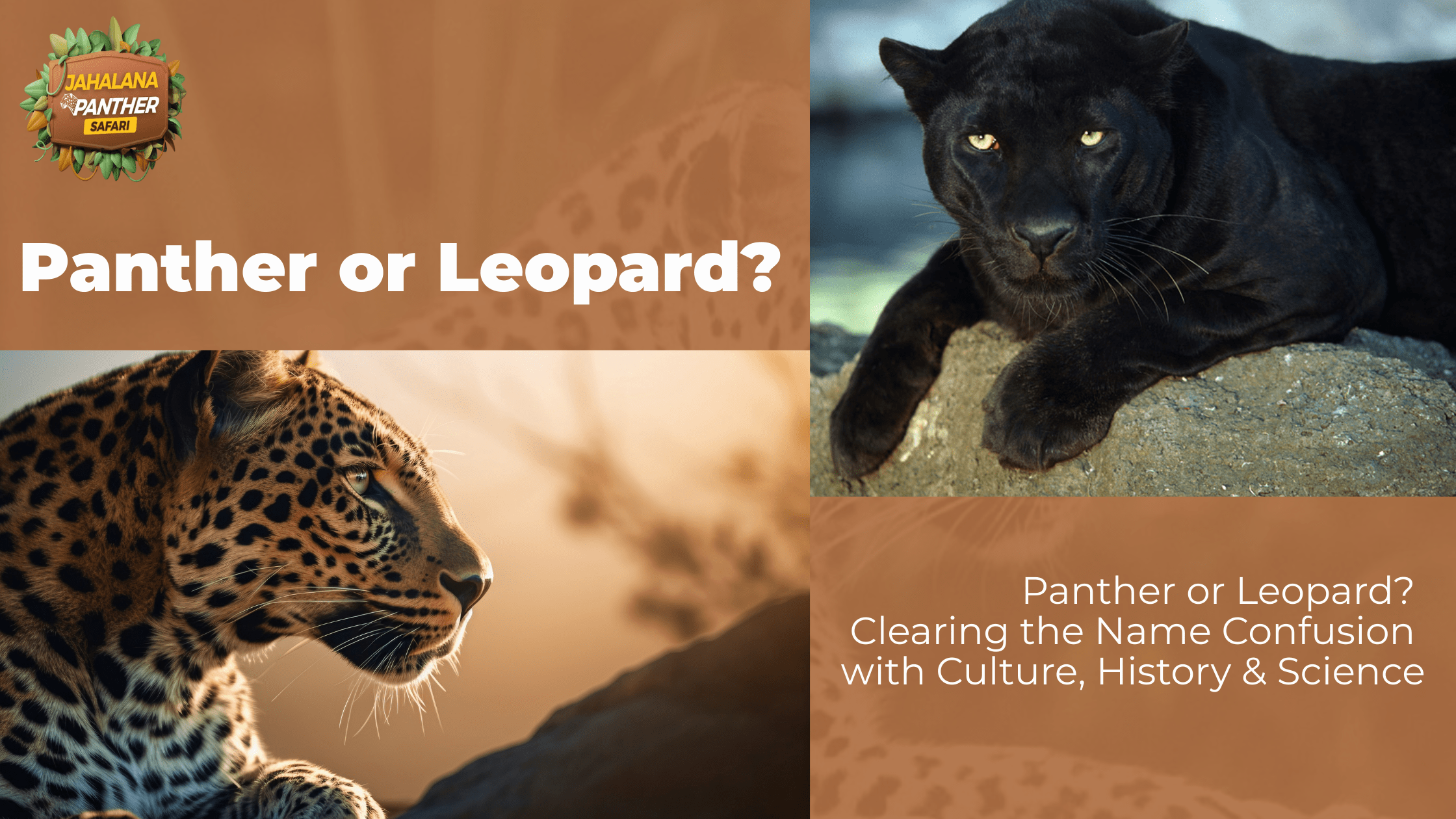
Panther or Leopard? Clearing the Name Confusion with Culture, History and Science
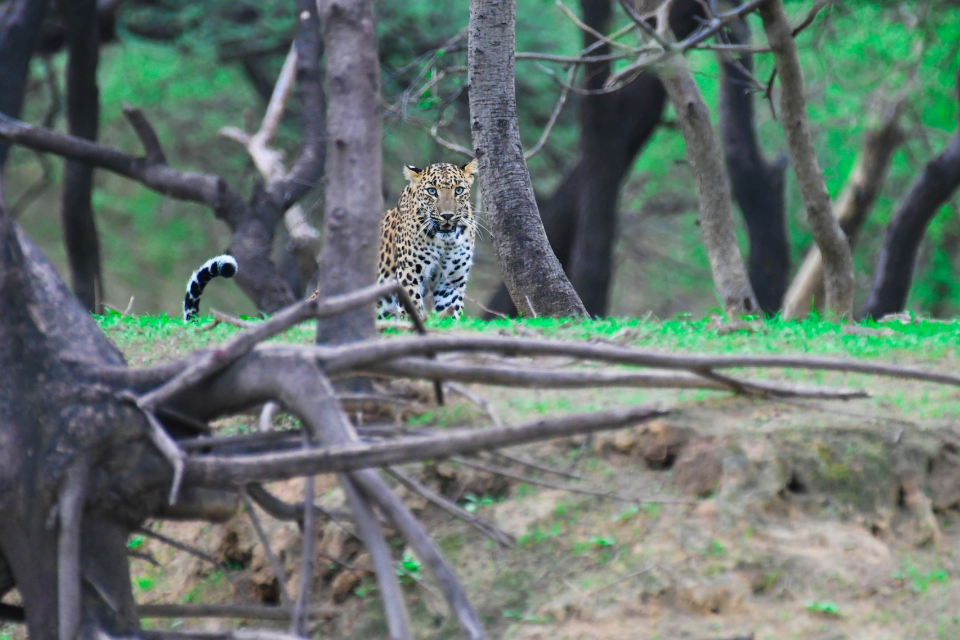
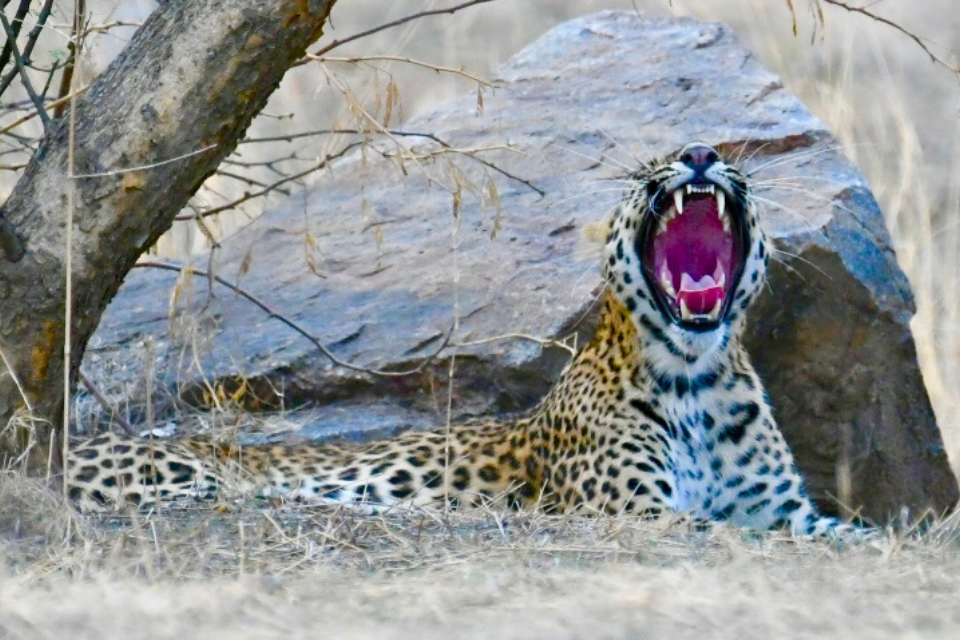
If you have ever been on a Jaipur safari or chatted with a local guide in Rajasthan, you have likely heard the words panther and leopard used like twins. Someone will whisper, “Panther spotted near the waterhole.” Moments later, you see the honey-gold coat, black rosettes, and that unmistakable cat-like glide of a leopard. So what is going on here? Is a panther the same as a leopard? Is there a secret black cat living in the Aravallis? And where does Jhalana fit into the story?
This guide untangles the name confusion with a mix of culture, history, and science. By the end, you will know exactly what to call what, why the terms overlap in India, and how to talk about the famous felines of Jhalana Leopard Reserve like a pro.
Quick Answer
- In India, when people say panther, they almost always mean leopard.
- Leopard is the scientifically correct name for the species Panthera pardus.
- A black panther is not a separate species. It is a melanistic leopard or melanistic jaguar, depending on region. In India, black panther means a black leopard.
- Jhalana Leopard Reserve near Jaipur is known for regular leopard sightings in an urban forest setting.
Now let us peel the layers properly.
Why The Names Get Mixed Up In India
1) Colonial era language and popular speech
During the British period, the word panther was used loosely for spotted big cats. Over time, that habit sank into everyday Indian English and regional languages. Safari brochures, signs, and storytelling kept the term alive.
2) Panther sounds powerful
Panther feels dramatic and mysterious. It is short, bold, and cinematic. Leopard can sound almost delicate by comparison. In travel marketing and casual conversation, panther often wins the sound check.
3) Scientific names are tricky
Leopards belong to the genus Panthera along with lions, tigers, jaguars, and snow leopards. Because the genus name Panthera appears in textbooks and documentaries, people often shorten it to panther in speech. That shortcut is understandable but confusing.
4) Black panther legends
The phrase black panther has its own aura. In India, this usually refers to a rare black leopard. The idea of a shadowy cat slipping through the scrub adds fuel to the name confusion.
What Science Says
- Species: Leopard
- Scientific name: Panthera pardus
- Family: Felidae
- IUCN status: Varies by region. In India, leopards are widely distributed and legally protected.
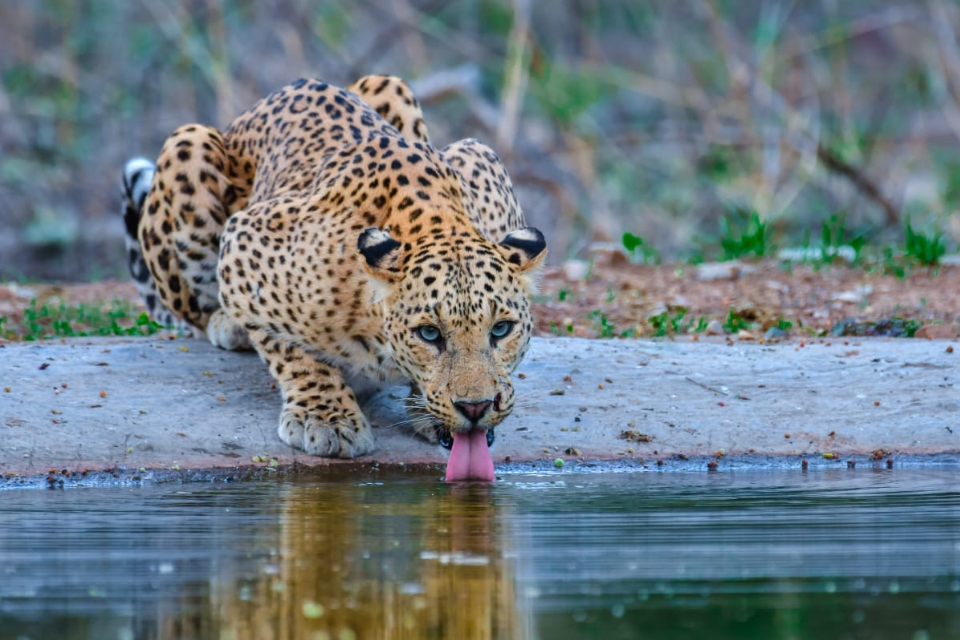
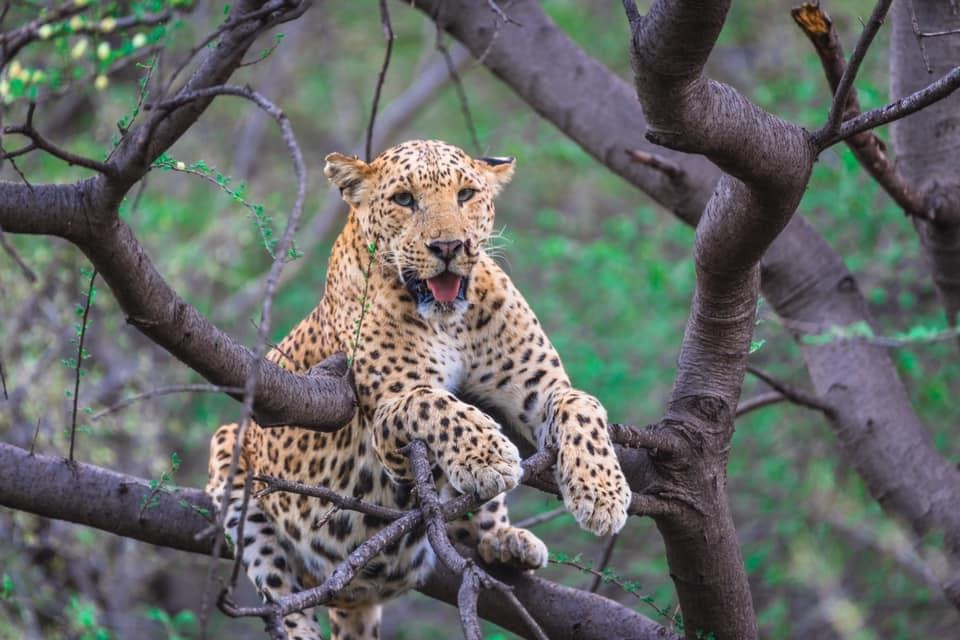
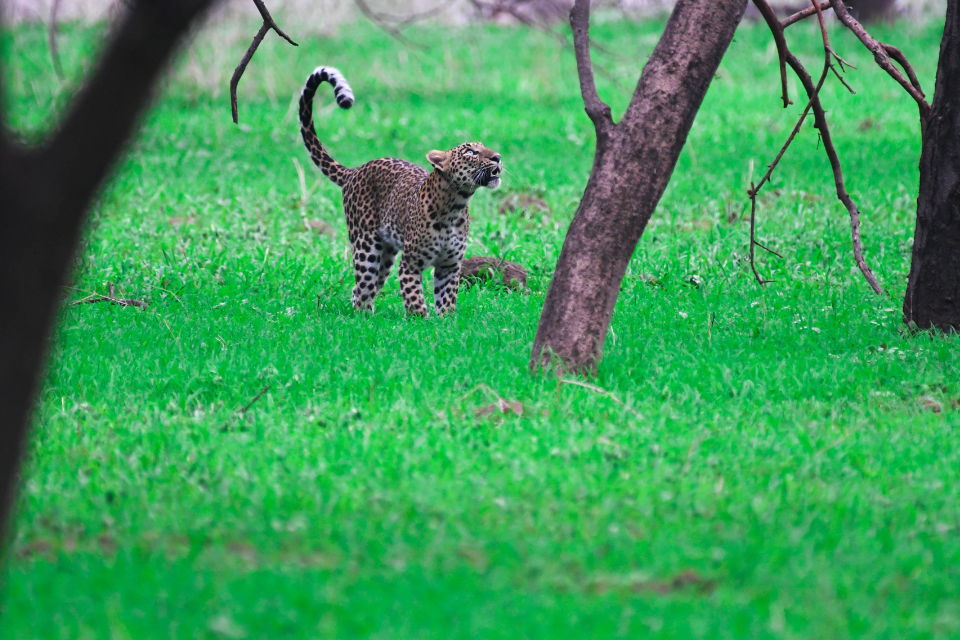
- Coat: Golden or tawny with black rosettes. Bellies and inner legs paler.
- Build: Medium sized big cat. Stocky, powerful shoulders, long tail for balance.
- Behavior: Solitary, territorial, crepuscular. Feeds on deer, monkeys, boar, and occasionally livestock. Agile climber that can drag heavy kills into trees.
What is melanism
Melanism is a genetic condition that causes excess dark pigment. In leopards, this produces the famous black panther look. Up close or in bright light, you can still see the pattern of rosettes ghosted under the black. Melanistic leopards occur naturally but rarely. They are the same species. Same habits. Same territories. Different coat.
The Black Panther Myth In Rajasthan
Black panther myth rajasthan
Rajasthan’s rugged hills, broken light, and scrub forests are perfect for storytelling. Over generations, villagers and trackers have traded tales of midnight cats that move like wind through the dhok trees. Many of these stories refer to leopards seen at dusk or under moonlight, which look darker than they are. Sometimes the cat is backlit. Sometimes dust, shadow, or distance deepens the color. Add a dash of imagination and the panther becomes pitch black.
Are melanistic leopards possible in Rajasthan? Yes, but they are uncommon across North India compared to some wetter forest regions. The myth persists because the idea is thrilling and the jungle is a natural stage for mystery. When locals say “black panther,” they often mean a normal leopard seen in low light or a rare melanistic individual rumored from a neighboring patch of forest. Either way, the legend keeps the night alive.

Panther vs Leopard in India: What To Say
- Use leopard when you are identifying the animal in guides, articles, and educational settings.
- You can mention panther as a regional or colloquial synonym, then clarify that it means leopard.
- If a cat is truly black, call it a melanistic leopard and note that it is sometimes called a black panther.
This approach keeps your language respectful to science and rooted in local speech.
Where Jhalana Fits In
Jhalana leopard facts
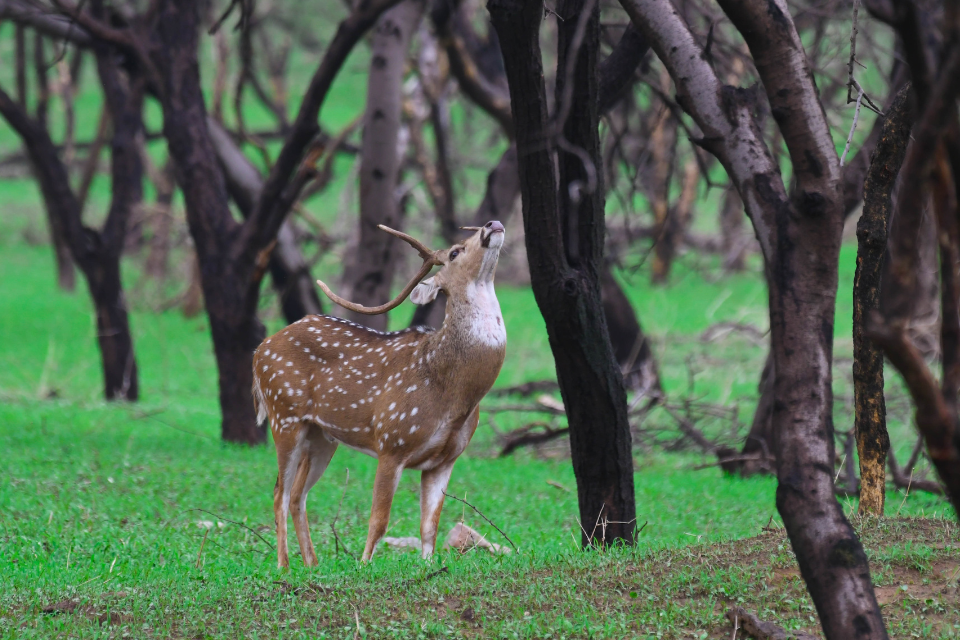
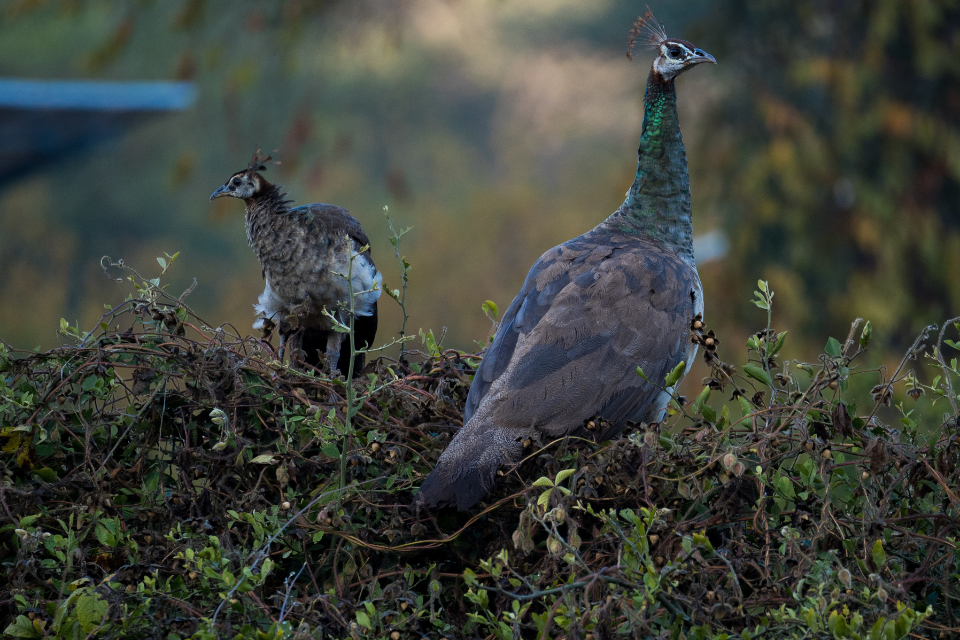
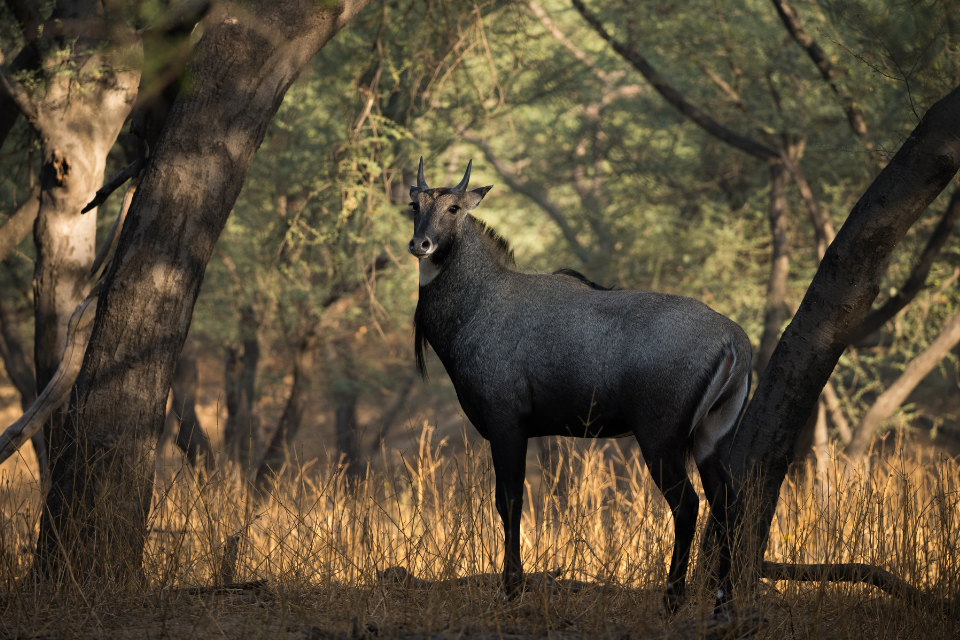
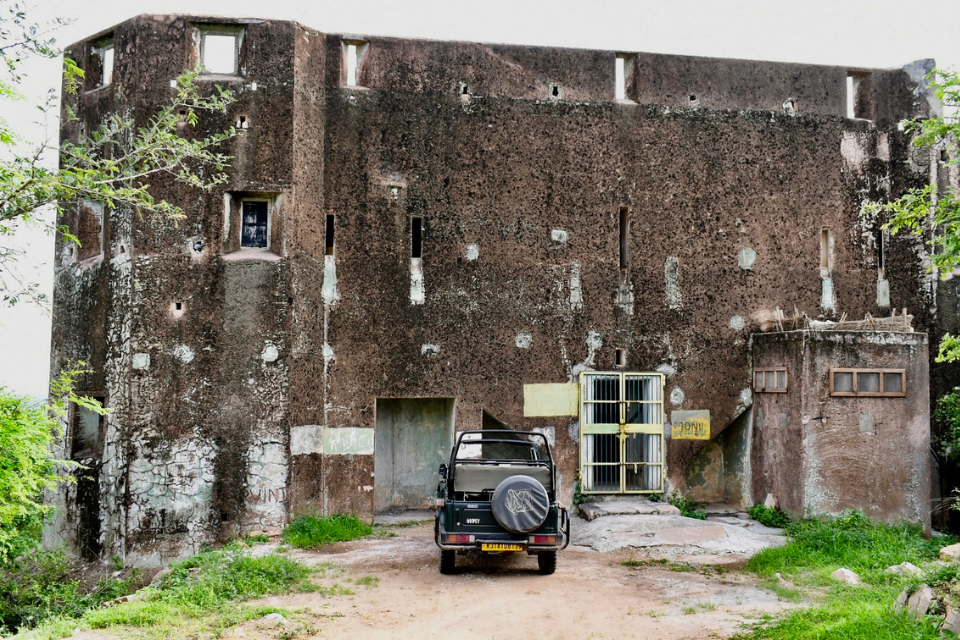
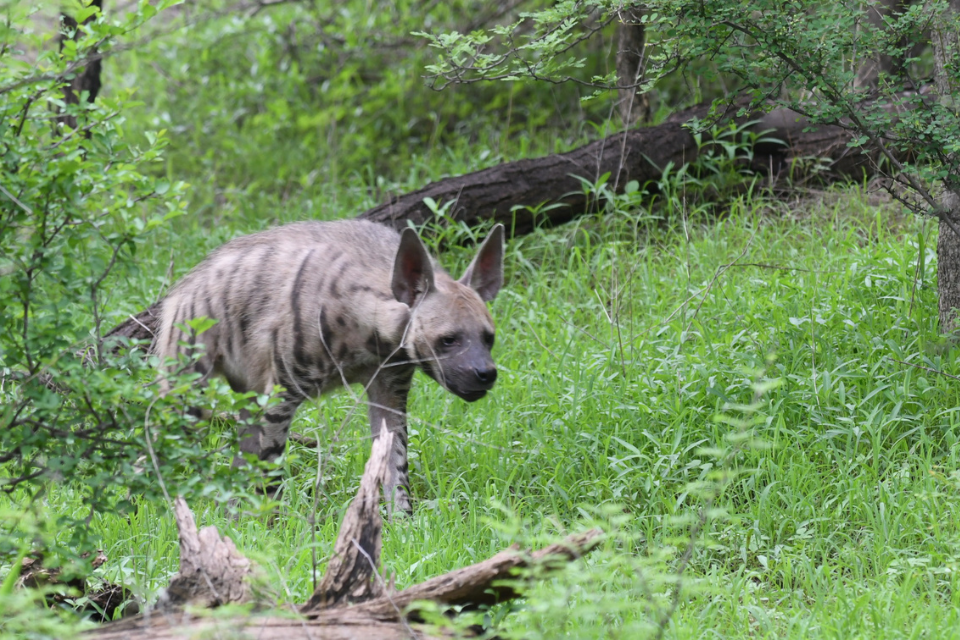
Jhalana Leopard Reserve sits within the city limits of Jaipur. Think of it as an urban oasis made of rocky Aravalli folds, scrub forest, and small grass clearings. The terrain is crumpled and dry, dotted with dhok, salar, acacia, and hardy shrubs. Nilgai, sambar, chital, and wild boar move through the gullies, while peafowl and partridges hop around the edges. In this maze of ridges and ravines, leopards thrive.
Why Jhalana is special
- Urban proximity: It is one of the few places in India where you can land in a heritage city and see a wild leopard the same day.
- High sighting chances: The reserve is compact and the leopard population uses the area efficiently. Guides often track fresh pugmarks, alarm calls, and movement patterns across zones.
- Photographer friendly: The scrub allows for clear sight lines at bends, water points, and saddles between hills.
Classic Jhalana moments
- A leopard streaking across a shallow valley at first light.
- A female perched on a granite outcrop, tail swishing lazily.
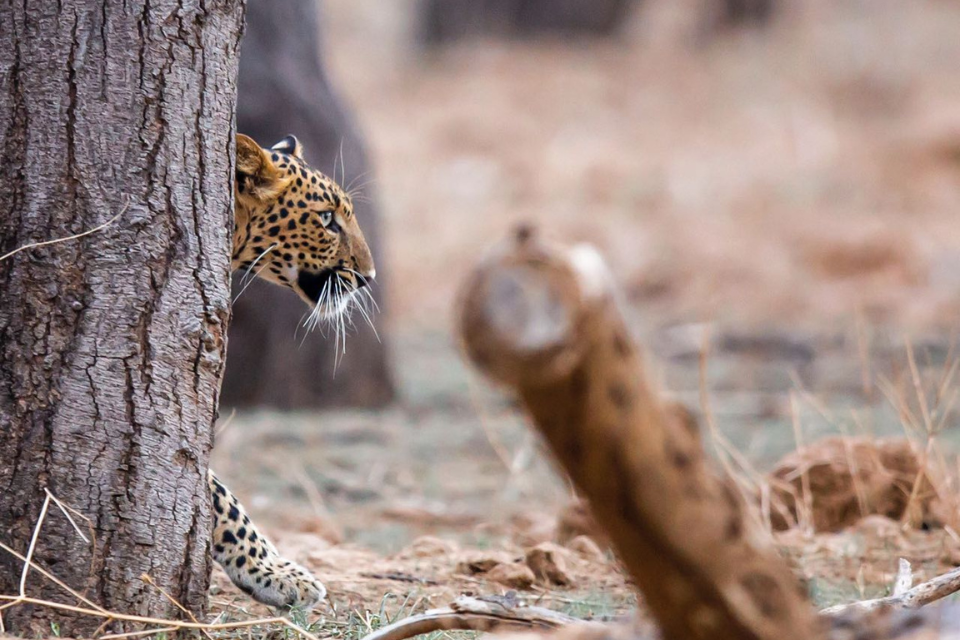
- Subadults practicing stealth around langur troops.
- A male slipping into a culvert while peafowl explode in noisy protest.
These scenes are part of what make Jhalana a favorite for Jaipur visitors who want a short, high quality wild experience.
Field ID: How To Tell A Leopard From Other Big Cats In India
Cat | Coat | Build | Habitat | Quick tell |
Leopard | Golden with black rosettes | Muscular, long tail | Forest, scrub, rocky hills | Carries kills into trees, tail often curled |
Tiger | Orange with black stripes | Larger, barrel chested | Forests, grasslands | Stripes, massive head, white facial ruff |
Asiatic Lion | Tawny, faint belly spots in cubs | Mane in males, long body | Gir forest and outside pockets | Mane, social pride structure |
Jungle cat | Sandy gray | Slender | Farmlands, wetlands | Black ear tufts, smaller size |
In Rajasthan, a spotted big cat with clear rosettes in a scrubby, rocky landscape is a leopard. If you hear someone call it a panther, they are using the common local word.
Culture, Folklore and the Leopard
In Rajasthan, leopards live close to people. Stories of evening sightings near villages, cattle paths, or shrines form a living folklore. Leopards are survivors. They adapt to new roads, new noise, and new patterns of human life. This coexistence shapes how people speak about them. The word panther becomes a symbol as much as a name. It carries fear, respect, and a hint of magic.
You will find leopards painted on shop shutters, carved into temple walls, and printed on tourist souvenirs. The animal sits in a cultural space that blends caution and admiration. In that space, names blur. The science word is leopard. The story word is panther. Both are part of the same animal’s life in Rajasthan.

Planning A Leopard Focused Visit To Jhalana
Best seasons
- Winter and early spring offer comfortable weather and soft light.
- Monsoon brings fresh green backdrops and dramatic skies, though tracks can be slippery.
- Summer concentrates wildlife near water points but requires heat management.
Best times of day
- Early morning and late afternoon. Leopards are most active around the edges of day and night.
What to carry
- Binoculars, camera with a mid zoom or telephoto, hat, water, light snacks, and a layer for early morning chill.
- Neutral clothing that blends with the bush. Avoid flashy colors and strong perfumes.
Game drive etiquette
- Keep voices low to retain the bush soundscape.
- Stay seated unless your guide says otherwise.
- Never pressure a leopard by blocking paths or edging too close. Give space and let the cat choose.
Photo Tips For Jhalana
- Use the terrain. Jhalana’s ridges create natural stages. Pre-focus on likely rock ledges or game trails.
- Watch the wind. Leopards circle downwind to approach prey. Position yourself where a cat might pass with the breeze in face.
- Expose for shadows. Early or late light pools in gullies. Slightly raise ISO and be ready for quick movement.
- Respect the moment. A calm cat offers the best portrait. If the animal looks stressed or edgy, back off and enjoy with your eyes.
Ethical Notes
- The leopard is a protected species in India.
- Do not bait or call animals.
- Avoid chasing vehicles or crowding sightings.
- Support operators who follow park rules and guide codes.
The Final Word On Names
If you want to be precise, say leopard. If a guide or local says panther, understand they mean leopard unless they clearly point out melanism. In Rajasthan and especially around Jaipur, the star of the show is the Indian leopard. The drama, the stealth, the ghost in the gullies. That is who you came to see.
Frequently Asked Questions
1) Is a panther the same as a leopard in India?
Yes. In Indian conversation, panther is a common synonym for leopard. The scientific name is Panthera pardus.
2) What is a black panther?
In India, a black panther is a melanistic leopard. The cat is the same species with a black coat caused by extra pigment.
3) Are there black panthers in Rajasthan?
Melanistic leopards are rare anywhere. Many black panther stories come from leopards seen in low light. Confirmed melanism in Rajasthan is unusual, which is why people talk about it so much.
4) What makes Jhalana famous?
Jhalana is an urban wildlife reserve at Jaipur’s edge with consistent leopard activity in a compact landscape. Sightings are the big draw.
5) When is the best time to see leopards in Jhalana?
Early morning and late afternoon. Cooler months are comfortable for visitors and often productive.
6) How do I tell a leopard from a cheetah or jaguar?
Cheetahs have solid round spots and tear stripes on the face. Jaguars have larger rosettes with central spots and live in the Americas. In India, your spotted big cat in scrub hills is a leopard.
7) Are leopards dangerous to people?
Leopards avoid humans if possible. Conflicts happen when surprised, cornered, or when prey is scarce. Follow your guide’s instructions and keep distance.
8) Can I see leopards without going deep into a forest?
Yes. That is what makes Jhalana special. It is a short drive from central Jaipur.
9) What lens should photographers carry?
A 200 to 500 mm range works well. In low light, a fast 70 to 200 can be perfect. Stabilization helps on bumpy tracks.
10) Is it okay to call it panther in my trip blog?
You can, but explain that in India panther usually means leopard and note the scientific name once for clarity.
Call To Action
Planning to see the cats of Jaipur for yourself? Book your Jhalana Leopard Reserve safari with us. We schedule prime-time drives, work with trained naturalists, and follow ethical viewing standards that put the animal first. You focus on the thrill and the photographs, we handle permits, logistics, and timing.
Disclaimer All images used in this blog are either sourced from public domain or credited to their respective owners. If you are the copyright holder of any image and wish to request its removal or proper attribution, please contact us at [email protected]